
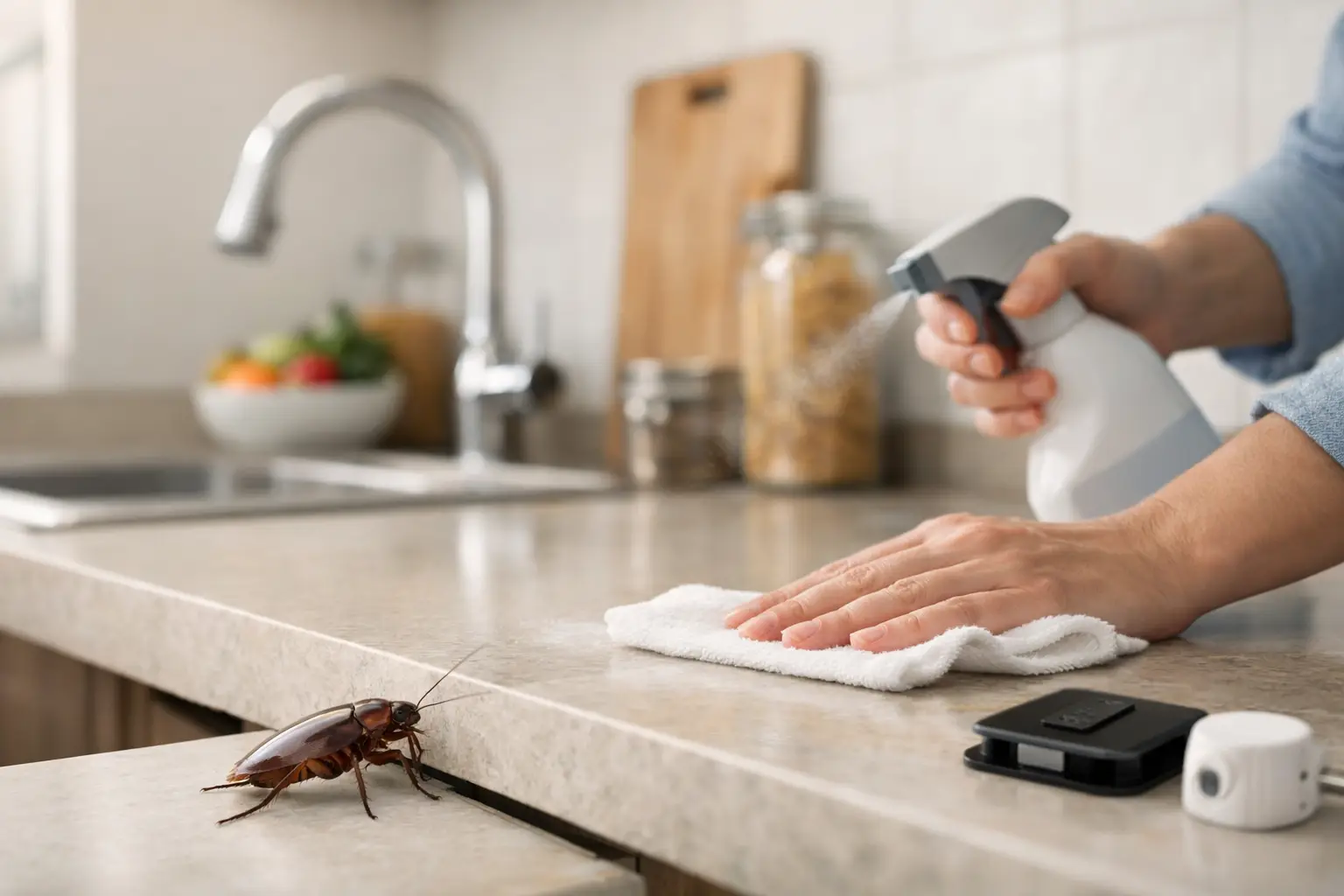
A cockroach can appear in a spotless apartment because these pests do not need much to survive. A crumb behind the stove, moisture under a sink, or a gap around a pipe can be enough. Learning how to prevent cockroaches in apartments means reducing those resources while recognizing that, in multi-unit buildings, prevention is a shared responsibility between tenants, landlords, and property managers.
Cockroaches are more than an unpleasant surprise. They can contaminate food, trigger asthma and allergy symptoms, and spread quickly through connected walls, utility lines, hallways, and garbage areas. Fast action protects your home and helps stop a small issue from becoming a building-wide infestation.
Why apartments are vulnerable to cockroaches
Apartments give cockroaches exactly what they look for: warmth, hiding places, water, and access to food. German cockroaches, one of the most common indoor species, can hide in tiny cracks near refrigerators, dishwashers, stoves, cabinets, and bathroom plumbing. They are often carried inside in grocery bags, cardboard boxes, used furniture, or belongings from another infested space.
Unlike a detached home, an apartment does not have a fully separate pest environment. A neighboring unit with an active infestation can create pressure in surrounding units, even when residents clean carefully. Cockroaches may travel through pipe openings, gaps beneath baseboards, shared electrical routes, and wall voids. That is why a tenant should never be blamed automatically for seeing roaches, and why property-wide cooperation matters.
How to prevent cockroaches in apartments every day
The most effective prevention plan is consistent, not complicated. Cockroaches are opportunistic. When food, water, and shelter become difficult to find, they are less likely to settle and reproduce.
Remove food sources before bedtime
Cockroaches are most active at night. Before bed, wipe counters, the stovetop, dining surfaces, and any areas where food was prepared. Wash dishes or place them in a closed dishwasher rather than leaving them in the sink overnight. Sweep or vacuum crumbs along cabinet edges, beneath small appliances, and under the table.
Store pantry food in tightly sealed glass, metal, or durable plastic containers. This includes cereal, flour, rice, pet food, snacks, and baking ingredients. Original cardboard or thin plastic packaging is easy for pests to access and can also provide hiding spots. Keep fruit covered or refrigerated when possible, especially during warmer months.
Garbage needs the same attention. Use a bin with a fitted lid, empty it regularly, and rinse containers that held sticky food or drink before throwing them away. Do not let recycling, takeout containers, or beverage cans collect inside the unit.
Eliminate moisture and fix small leaks
A cockroach can live longer without food than without water. Check under kitchen and bathroom sinks for drips, damp cabinet bottoms, and condensation around plumbing. Report leaks to building management promptly, even if they seem minor. A slow leak behind a wall or under a dishwasher can support cockroaches that are otherwise difficult to detect.
Dry the sink and shower area when practical, and do not leave wet sponges, dishcloths, or pet bowls sitting overnight. If your apartment has a floor drain, make sure it is functioning properly and does not remain dry for long periods, since dry traps can allow pests to move through drain connections.
Reduce hiding places and clutter
Cockroaches prefer dark, undisturbed spaces. Paper bags, stacked cardboard, crowded cabinets, and cluttered storage areas create ideal shelter. Break down delivery boxes and remove them from the apartment as soon as possible. Avoid storing bags or boxes directly on the kitchen floor.
Keep the narrow spaces around and behind appliances as clean as you can. Pulling out a refrigerator may not be practical for every resident, but cleaning visible crumbs, grease, and dust around it makes a real difference. In a rental unit, ask management for assistance if an appliance needs to be moved safely.
Seal the routes cockroaches use to enter
Cleaning is necessary, but it cannot solve every access issue in a multi-unit building. Look for small openings around pipes below sinks, behind toilets, around radiators, and where cables enter walls. Cockroaches can fit through surprisingly narrow gaps.
For small, accessible cracks, use an appropriate sealant if your lease permits it. Otherwise, document the opening and submit a maintenance request. Door sweeps can help reduce movement from hallways, while tight-fitting window screens can prevent outdoor insects from entering during the warmer months.
Do not block required ventilation openings or tamper with electrical fixtures. In apartments, sealing should focus on obvious, safe gaps. Larger openings inside walls, around shared plumbing, or behind cabinets are usually a job for maintenance professionals or a licensed pest control team.
Be careful with what you bring into the unit
Cockroaches often arrive as hitchhikers. Inspect grocery bags, cartons, packages, used appliances, and secondhand furniture before bringing them inside. This is especially worthwhile for items picked up from curbside collection, storage lockers, or unknown sellers.
Cardboard boxes deserve extra attention. Roaches and egg cases can hide in folds and seams, then establish themselves near food or appliances once the boxes are unpacked. Transfer deliveries into reusable bins when you can and dispose of cardboard promptly.
If you are moving into an apartment, inspect kitchen cabinets, the space under sinks, behind appliances, and bathroom vanity areas before unpacking. Small dark droppings that resemble pepper, shed skins, egg cases, or a musty odor can all indicate cockroach activity. Report concerns in writing immediately so there is a record of the condition at move-in.
Know the early signs and report them quickly
Seeing one cockroach does not always mean there is a large infestation, but it should never be ignored. Roaches that appear during the day can be a stronger warning sign because heavy populations may force them out of their usual nighttime hiding places.
Watch for pepper-like droppings around hinges and cabinet corners, brown egg cases, shed skins, smears near hiding areas, or a persistent stale odor. Take a clear photo if possible, note where and when you saw the pest, and notify the landlord or property manager right away. Early reporting gives the building a better chance to inspect adjacent units and address the source.
Tenants should keep copies of maintenance and pest reports. Property managers should respond quickly, arrange professional inspection when needed, and communicate preparation instructions clearly. Treating only the unit where a cockroach was spotted may not be enough if activity is coming through shared walls or plumbing.
Avoid DIY treatments that can make the problem harder
Aerosol sprays and foggers may kill cockroaches that are visible, but they rarely reach the hidden population. Worse, some sprays can drive roaches deeper into walls or cause them to scatter into other rooms and units. Overusing chemicals indoors also creates unnecessary exposure concerns for children, pets, and people with respiratory sensitivities.
Store-bought bait can help in limited situations when used exactly as directed, but it is not a replacement for inspection, sanitation, exclusion, and coordinated treatment. Never mix pesticides, apply more than the label allows, or place products where children and pets can reach them. Avoid spraying over bait, since repellant residues can make roaches avoid the area.
When an infestation is confirmed, a licensed professional can identify the likely species, locate activity zones, use targeted treatments, and recommend practical prevention steps for the specific building. Quality Pest Control GTA uses safe, eco-friendly treatment approaches designed to control cockroaches while protecting the people and pets in the home.
When professional cockroach control is the right call
Contact your landlord or property manager immediately when you see repeated roaches, find droppings or egg cases, notice activity in several rooms, or suspect pests are moving in from another unit. If management is arranging treatment, follow the preparation instructions closely. Removing clutter, emptying specified cabinets, securing food, and allowing access to key areas can make treatment far more effective.
For property managers, recurring complaints should be treated as a building issue, not just an individual unit issue. Inspections of nearby apartments, garbage rooms, utility spaces, and common areas may be necessary. A reliable prevention program combines sanitation standards, maintenance repairs, monitoring, targeted treatment, and timely communication with residents.
A clean apartment is a strong first defense, but it should not leave you carrying the full burden of a shared-building problem. Act at the first sign, report it clearly, and keep food, moisture, clutter, and entry gaps under control. That practical response gives cockroaches fewer places to hide and gives everyone in the building a better chance of keeping them out.

