
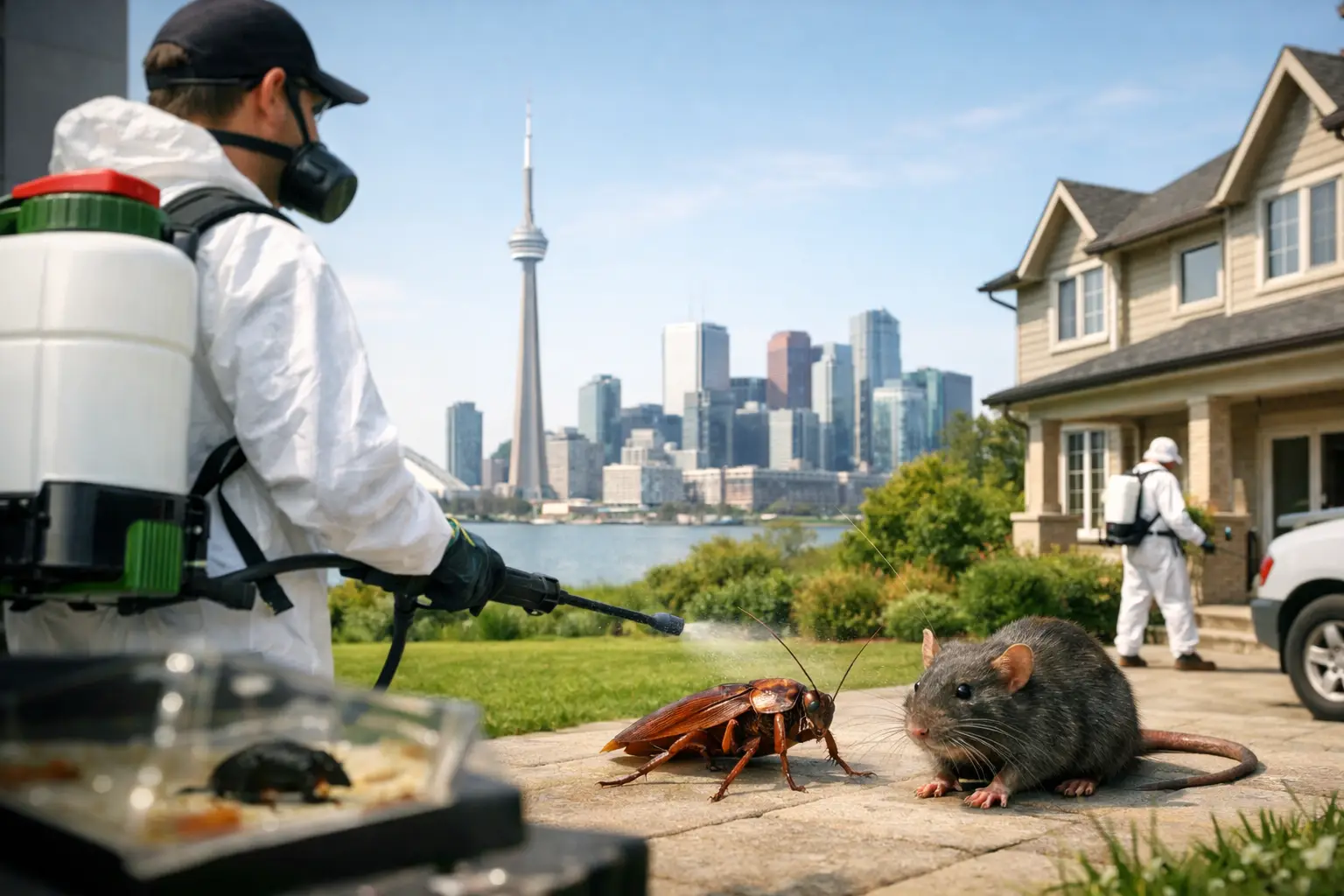
A mouse scratching behind a kitchen wall, a wasp nest above a doorway, or cockroaches appearing after lights go out can turn into a bigger problem quickly. When searching for pest control cities GTA residents can rely on, the priority is not just finding a nearby technician. It is getting prompt, safe treatment that addresses the source of the infestation and helps prevent it from returning.
Quality Pest Control GTA provides responsive residential and commercial pest management in key communities throughout the Greater Toronto Area. Whether the issue is insects, rodents, or nuisance wildlife, professional treatment protects your property, health, inventory, and peace of mind.
Pest Control Cities GTA Homeowners and Businesses Need
Pest problems do not stop at city boundaries. Rodents travel through connected neighborhoods, bed bugs move through shared housing and luggage, and seasonal insects spread wherever food, moisture, and shelter are available. Still, local knowledge matters. Housing styles, building density, nearby green space, construction activity, and weather patterns all affect how pests enter and settle into a property.
Our active service areas include Toronto, Scarborough, Etobicoke, Aurora, Pickering, Whitby, Oshawa, and Bowmanville. Each community has a mix of older homes, new developments, apartments, retail spaces, restaurants, warehouses, and offices. That means there is no one-size-fits-all pest solution.
For example, a downtown Toronto apartment with bed bugs needs a different approach than a detached home in Aurora with squirrels in the attic. A restaurant in Scarborough dealing with cockroaches needs fast, discreet service and a sanitation-focused prevention plan. A Bowmanville homeowner with mice may need exterior exclusion work in addition to interior control. The right treatment begins with understanding the pest, the property, and the conditions allowing the problem to continue.
Common Pest Problems Across the GTA
The GTA experiences pest pressure throughout the year. Some issues peak seasonally, while others, especially rodents and indoor insects, can remain active in every month.
Mice and Rats
Mice and rats often enter homes and businesses through openings around utility lines, foundation gaps, garage doors, rooflines, and damaged vents. In fall and winter, they seek warmth and dependable food sources. In commercial properties, dumpsters, storage areas, kitchens, and loading zones can attract rodent activity year-round.
Common signs include droppings, gnaw marks, chewed food packaging, scratching in walls or ceilings, grease marks along baseboards, and a stale odor in enclosed areas. Rodent control should focus on trapping, targeted removal, and sealing entry points. Poison alone may not solve an active infestation and can create concerns when used improperly around children, pets, or inaccessible wall spaces.
Bed Bugs
Bed bugs are not caused by poor housekeeping. They are hitchhiking pests that can arrive through travel, visitors, secondhand furniture, shared laundry rooms, or neighboring units. They are especially disruptive because bites can affect sleep, create anxiety, and lead to tenant complaints in multi-unit housing.
Look for itchy bite patterns, dark spotting around mattress seams, shed skins, tiny pale eggs, or live insects near beds, upholstered furniture, and baseboards. Effective bed bug extermination requires a detailed inspection and a treatment plan that reaches hiding places, not just visible bugs. Preparation instructions are also critical because clutter and untreated belongings can reduce treatment effectiveness.
Cockroaches and Ants
Cockroaches thrive where food residue, water, warmth, and tight hiding spaces are available. Kitchens, bathrooms, appliance motors, utility rooms, and cracks near plumbing are common activity areas. Seeing one cockroach can indicate more are hidden nearby, particularly in apartments, restaurants, and other high-use buildings.
Ant activity can range from a few seasonal pavement ants to carpenter ants that may signal moisture-damaged wood. Carpenter ants do not eat wood, but they excavate it for nesting. Sawdust-like material, rustling in wall voids, winged ants indoors, or large black ants appearing repeatedly are reasons to arrange an inspection.
Wasps, Hornets, and Wildlife
Wasps and hornets commonly build nests under eaves, in sheds, wall voids, trees, and ground cavities. A nest near an entrance, deck, playground, or commercial doorway is a safety concern, especially for anyone with sting allergies. Do not block the nest opening or spray it with consumer products. Agitated stinging insects can swarm and may enter the building through interior gaps.
Raccoons, squirrels, skunks, and birds can also cause expensive damage. Raccoons may tear roof vents or soffits, while squirrels can chew wiring and insulation. Humane removal and secure exclusion are essential. Removing an animal without identifying how it entered often leads to another animal taking its place.
What Professional Treatment Should Include
A reliable pest control visit should be more than a quick spray. The first step is identifying the pest and confirming where it is active. This avoids treating the wrong problem and helps determine whether the issue is isolated, established, or connected to a structural condition.
A licensed technician should inspect likely entry points, nesting areas, food sources, moisture issues, and nearby conditions that may contribute to activity. Treatment may include targeted products, traps, bait placements, removal equipment, nest treatment, exclusion recommendations, or fumigation when appropriate. The method depends on the pest, infestation size, property type, and safety needs of the people using the space.
Eco-friendly pest control does not mean ineffective pest control. It means using practical, targeted methods that reduce unnecessary exposure while delivering results. In many cases, exclusion, sanitation, monitoring, and precise applications provide stronger long-term control than broad treatment alone.
For businesses, documentation and consistency matter as much as removal. Property managers, restaurants, offices, warehouses, and retail locations may need scheduled inspections, clear service records, and prevention plans that protect employees, customers, tenants, and inventory.
Prevention Steps That Make a Real Difference
Professional service works best when the property is not continually inviting pests back. Small maintenance tasks can make a major difference, especially before seasonal pest activity increases.
Keep food in sealed containers, clean crumbs and grease promptly, and avoid leaving pet food out overnight. Repair leaking pipes, reduce standing water, and use bathroom or basement ventilation where moisture builds up. Outdoors, keep garbage lids closed, move firewood away from the house, trim branches that touch the roof, and clear dense debris near the foundation.
For rodents and wildlife, inspect exterior gaps regularly. Mice can fit through openings about the width of a pencil. Damaged weather stripping, unsealed utility penetrations, loose vents, and broken screens deserve attention before temperatures drop.
In multi-unit buildings, prevention also requires communication. Tenants should report sightings early rather than waiting for a small issue to become widespread. Managers should act quickly when there are repeat complaints, visible droppings, insect sightings, or signs that pests are moving between units.
When to Call a Pest Control Professional
Some minor outdoor pest activity can be monitored, but certain signs call for fast action. Contact a professional if you find repeated rodent droppings, see cockroaches during the day, wake with suspected bed bug bites, hear animals in the attic, notice a wasp nest near an active area, or find damaged wiring, insulation, or food packaging.
You should also seek help when store-bought products have not worked. Repeated DIY treatment can scatter pests, expose people and pets to unnecessary chemicals, and delay the complete solution. A professional inspection can identify why the problem persists and provide a clear treatment plan.
Frequently Asked Questions
How quickly can pest control treatment work?
Timing depends on the pest and severity. Wasp nest removal may provide immediate relief, while rodent control, cockroach treatment, or bed bug extermination can require follow-up visits and monitoring. A reliable technician will explain what to expect before treatment begins.
Is pest control safe for children and pets?
Professional treatments are selected and applied with safety in mind. Follow the technician’s instructions regarding re-entry, cleaning, pet bowls, toys, and food preparation areas. Targeted treatment and prevention measures help reduce unnecessary exposure.
Do I need pest control if I only saw one bug or mouse?
One sighting does not always mean a major infestation, but it should not be ignored. A single mouse indoors, a daytime cockroach, or recurring ants in the same area can indicate hidden activity. An inspection can determine whether treatment is necessary.
Can pests come back after treatment?
They can if entry points, food sources, moisture, or neighboring activity remain unaddressed. That is why prevention and exclusion are part of lasting pest management, not optional extras.
A pest issue does not need to take over your home or disrupt your business. Early action, careful inspection, and dependable prevention can restore a clean, safe property before a small warning sign becomes a larger repair bill. Request a professional assessment when you need fast, affordable help in your GTA community.

