
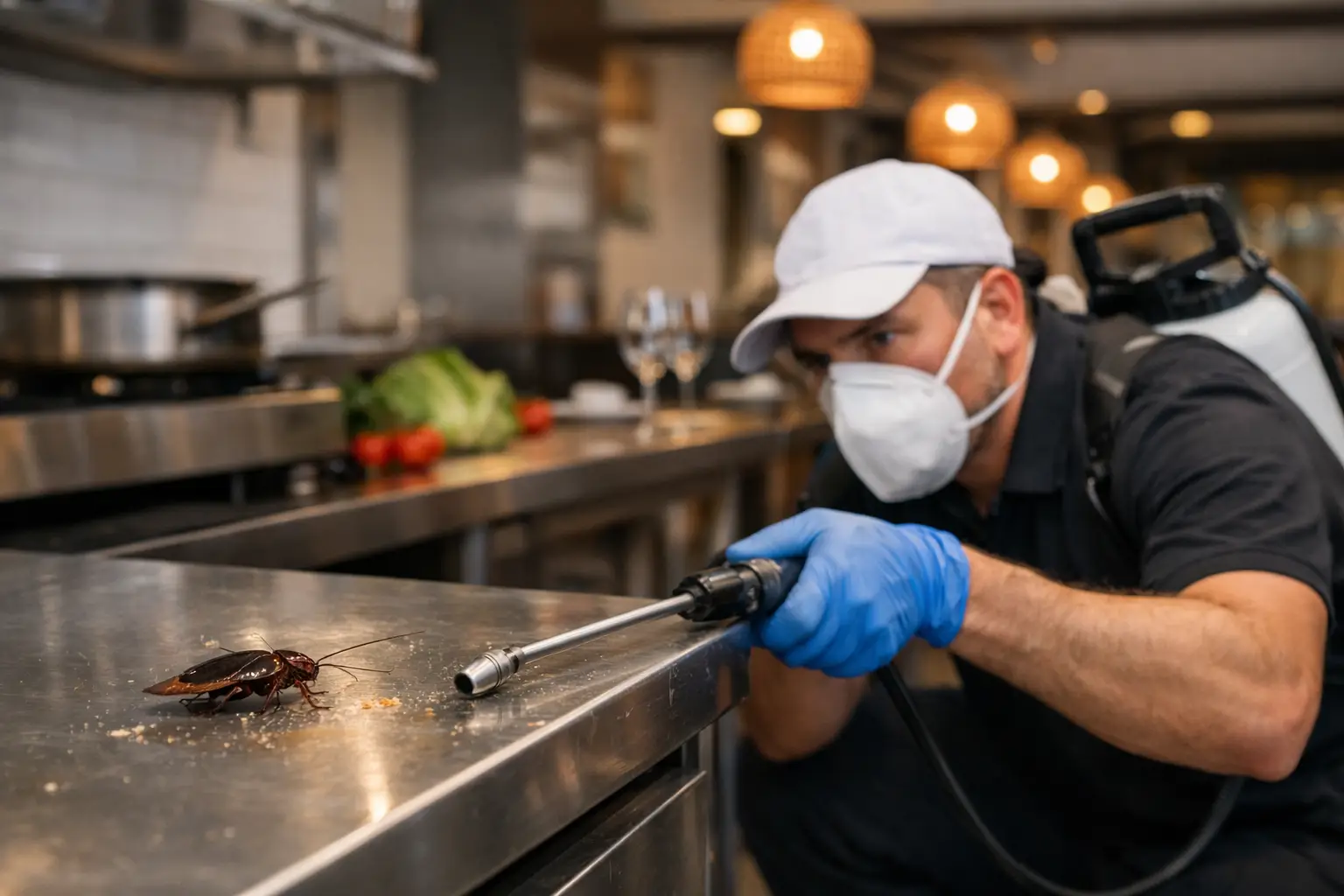
A customer spotting a cockroach near a booth, a mouse dropping in a dry-storage corner, or fruit flies around the bar can change how they see your restaurant in seconds. Restaurant pest control Scarborough is not simply about removing an active pest problem. It is about protecting food, passing inspections, keeping staff confident, and preventing a small issue from becoming a costly closure or reputation problem.
Restaurants create the conditions pests look for: warmth, water, food residue, cardboard, drains, and frequent deliveries. A reliable pest control plan addresses those conditions along with the pests themselves. Quality Pest Control GTA provides licensed, affordable, and eco-friendly commercial pest control focused on quick response and long-term prevention.
Why Restaurant Pest Control in Scarborough Requires a Plan
A restaurant can look clean to guests and still have pest pressure behind equipment, inside wall voids, beneath sinks, or near loading areas. Pests are excellent at using the hidden spaces staff rarely see during a busy shift. Mice can enter through openings around utility lines. Cockroaches stay close to heat and moisture. Flies breed in organic buildup inside neglected drains, bins, and mop areas.
One treatment may resolve an immediate sighting, but it will not reliably solve the source if sanitation gaps, structural openings, or entry points remain. That is why professional restaurant pest control starts with a detailed inspection. A technician identifies the pest, tracks activity, locates likely access points, and recommends treatment based on the restaurant’s layout, operations, and level of risk.
A coffee shop with recurring fruit flies needs a different approach than a full-service restaurant experiencing rodent activity near a rear delivery door. Pest pressure also changes with the season. Rodents commonly seek indoor shelter as outdoor temperatures fall, while flies, ants, and wasps can create greater problems in warmer months.
Common Restaurant Pests and Their Warning Signs
Fast action is easier when managers and kitchen teams know what to report. Do not wait for repeated sightings. A single pest may indicate a hidden harboring area nearby.
Cockroaches
Cockroaches are a serious concern in commercial kitchens because they can contaminate food-contact areas and move through drains, equipment motors, cracks, and storage spaces. Common signs include live roaches at night, pepper-like droppings, egg cases, shed skins, and a stale, oily odor in heavy infestations.
Roaches often gather behind refrigerators, under dishwashers, around floor drains, and in warm electronic equipment. Store-bought sprays may kill the roaches staff can see, but they can also scatter activity and miss the nest. Professional treatment targets active areas with commercial-grade products and careful placement methods appropriate for food-service environments.
Mice and Rats
Rodents can chew packaging, wires, insulation, and building materials while contaminating food and prep areas with droppings and urine. Watch for droppings in dry storage, gnaw marks, greasy rub marks along walls, shredded nesting material, or scratching sounds after closing.
Mice can fit through remarkably small gaps. Effective rodent control combines trapping and monitoring with exclusion work, such as sealing openings around pipes, doors, vents, and utility penetrations. Without entry-point repairs, rodents may continue to return even after successful removal.
Flies, Drain Flies, and Fruit Flies
Flies are especially damaging to guest confidence because they are visible. Fruit flies are usually attracted to fermenting residue around bar mats, recycling bins, produce storage, and beverage stations. Drain flies point to organic buildup in floor or sink drains. House flies may enter through open doors, damaged screens, waste areas, or delivery zones.
The correct solution depends on the species and breeding site. Surface cleaning alone may not remove drain buildup below the visible opening, while fly traps will not solve a sanitation or access issue by themselves.
Ants and Pantry Pests
Ant trails near sinks, dish areas, or food storage often mean a colony has found a water or food source. Pantry pests, including beetles and moths, can arrive in dry goods and spread through flour, grains, spices, nuts, or pet-food ingredients kept on site.
Inspect incoming inventory and rotate stock carefully. If pantry pests are found, affected products usually need to be isolated and disposed of according to your food-safety procedures. Treatment should focus on the storage environment and source, not just the insects that are visible.
What Professional Restaurant Pest Treatment Looks Like
A dependable commercial program should be discreet, documented, and tailored to your operation. The first visit normally includes an inspection of the kitchen, dining room, bar, storage areas, utility rooms, dumpster area, loading zone, ceilings, drains, and exterior perimeter where accessible.
Your technician then develops a treatment and prevention plan. Depending on the pest, this may include targeted baiting, crack-and-crevice treatment, insect monitoring devices, rodent traps, exterior stations, drain recommendations, and exclusion guidance. Product use should be targeted and handled by licensed professionals, with food, utensils, and preparation surfaces protected as required.
For established activity, follow-up visits matter. Pest populations, especially cockroaches and rodents, may require more than one service to fully control. The goal is not to apply more product than necessary. It is to verify results, adjust the plan when needed, and remove the conditions that allowed pests to thrive.
Documentation is also valuable for restaurant managers. Service reports create a clear record of inspections, findings, treatments, monitoring, and recommendations. This helps management respond to concerns promptly and gives staff practical guidance for preventing recurring activity.
Prevention Practices That Make Treatment Work
Pest control is most effective when professional service and daily restaurant routines support each other. The following practices reduce food, water, and shelter opportunities that attract pests:
- Clean grease, crumbs, spills, and beverage residue from floors, equipment edges, counters, and bar stations before closing.
- Empty indoor garbage regularly, keep exterior bins closed, and clean spills around dumpsters and recycling areas.
- Store food in sealed containers when possible, keep dry goods off the floor, and rotate inventory so older stock is used first.
- Repair leaking pipes, clear standing water, and keep mop buckets, floor drains, and cleaning closets from becoming moisture sources.
- Check door sweeps, window screens, delivery doors, vents, and gaps around utilities for pest entry points.
Staff training is a practical part of prevention. Employees should know to report droppings, gnaw damage, insect sightings, damaged packaging, leaking fixtures, and gaps in walls or doors right away. Quick reporting allows a technician to investigate before activity spreads into prep areas or customer-facing spaces.
When to Call for Restaurant Pest Control Scarborough
Call promptly if staff see a live cockroach, mouse, rat, or evidence of rodents in food storage or prep areas. The same applies when flies are recurring despite cleaning, ants are repeatedly trailing indoors, or customers mention insects. Waiting for a scheduled monthly visit may not be the right choice when active pests could affect food safety or operations.
A licensed technician can assess the urgency and recommend the safest next step. In some cases, an immediate targeted visit is needed. In others, monitoring and specific sanitation corrections may be enough. The right response depends on the pest, the location of activity, the size of the restaurant, and whether food or packaging may have been affected.
Frequently Asked Questions
How often should a restaurant schedule pest control service?
Many restaurants benefit from regular monthly service, especially those with full kitchens, high food volume, older buildings, shared commercial spaces, or frequent deliveries. Higher-risk locations may need more frequent monitoring. A professional inspection can determine an appropriate schedule based on your actual conditions.
Are pest treatments safe around food and restaurant staff?
When performed by a licensed professional, treatments are selected and applied with food-service safety in mind. The technician will provide preparation instructions and explain any steps staff need to take before or after service. Targeted treatments and prevention measures help reduce unnecessary exposure.
Can a clean restaurant still get pests?
Yes. Pests may enter in deliveries, through shared walls, from exterior waste areas, or through small structural gaps. Cleanliness greatly reduces risk, but it does not replace inspections, monitoring, exclusion, and professional treatment when activity is found.
Will one treatment get rid of cockroaches or rodents?
It depends on the pest pressure and the source of the problem. Light activity may respond quickly, while an established infestation often requires follow-up treatment and prevention changes. A complete plan is more reliable than a one-time spray or trap placement.
A restaurant should never have to choose between quick action and careful service. Address the first sign of pest activity, keep prevention routines consistent, and use a professional plan that protects the kitchen, the dining room, and the trust customers place in your business.

