
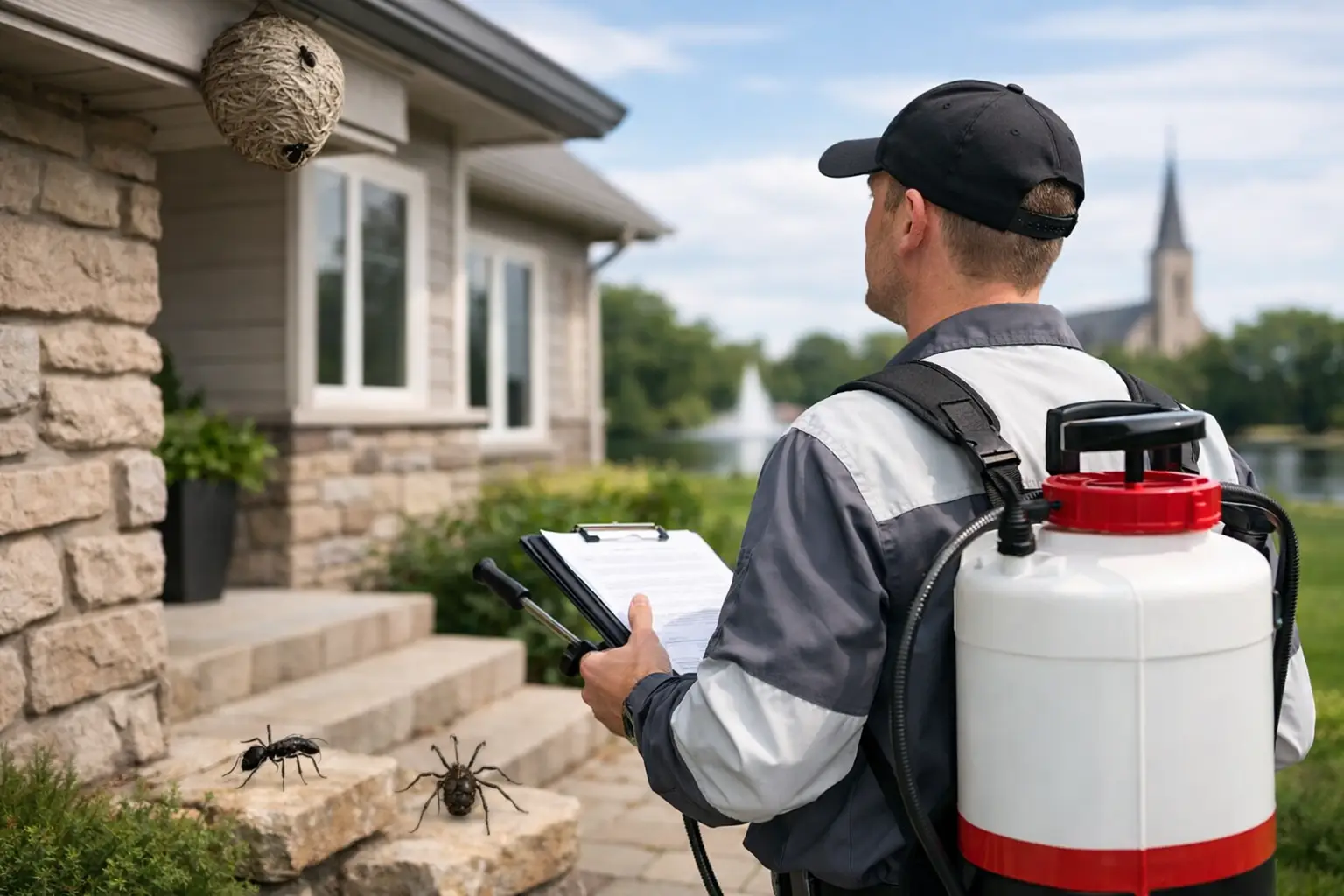
A mouse scratching behind the wall at night, ants crossing the kitchen counter, or a wasp nest growing above the patio can turn a comfortable Aurora property into a stressful problem fast. When you need an exterminator in Aurora Ontario, the goal should be more than removing the pests you can see. You need a clear plan to find the source, protect the people and pets in the building, and reduce the chance of the issue returning.
Aurora homes and businesses face a mix of seasonal insect activity, rodent pressure, and nuisance wildlife concerns. Mature trees, nearby green space, construction activity, garages, sheds, and connected townhome or commercial spaces can all create pathways for pests. A reliable local pest control professional identifies those conditions before choosing a treatment.
When to Call an Exterminator in Aurora Ontario
Some pest problems are obvious, such as a cockroach in a cupboard or a hornet nest near an entrance. Others begin quietly. Waiting can allow pests to reproduce, contaminate food, damage materials, or move into additional areas of the property.
Call for professional help when you see repeated activity, find droppings or gnaw marks, hear noises in walls or ceilings, notice bites after sleeping, or smell an unusual musty or ammonia-like odor. In a business, signs may also include customer complaints, product damage, insect sightings near food storage, or evidence found during an inspection.
A single sighting does not always mean a major infestation. One ant may be a scout, and one spider may have entered from outside. But regular sightings, activity in more than one room, or pests seen during daylight often point to a larger issue. Rodents, bed bugs, cockroaches, and stinging insects are especially worth addressing early.
Common Pest Problems in Aurora Properties
Mice and Rats
Mice can enter through openings as small as a dime. They often move from garages, basements, utility areas, and wall voids into kitchens and living spaces, especially when temperatures drop. Rats may be drawn to accessible garbage, outdoor feeding areas, sheds, and structural gaps.
Look for dark droppings, shredded nesting material, grease marks along walls, chewed food packaging, or scratching sounds after dark. Rodent control should include strategic trapping or baiting where appropriate, but it should not stop there. Exclusion work – sealing entry points around pipes, vents, foundations, doors, and garage openings – is what helps prevent new rodents from taking their place.
Ants, Including Carpenter Ants
Ant trails frequently appear around sinks, dishwashers, pet food, windows, and foundation walls. Many ants are primarily a nuisance, but carpenter ants deserve prompt attention. They tunnel through damp or damaged wood and can signal moisture conditions that need repair.
Spraying the ants you see may disrupt a trail temporarily, but it may not reach the colony. Effective ant control starts with identifying the species, locating likely nesting areas, and using targeted treatments that address the source. Keeping counters clean, repairing leaks, and trimming vegetation away from the exterior also make a meaningful difference.
Bed Bugs
Bed bugs can arrive after travel, through secondhand furniture, or by moving between units in multi-residential buildings. They are not a sign of poor housekeeping. They are difficult because they hide in mattress seams, bed frames, upholstered furniture, baseboards, and small cracks near sleeping areas.
Common signs include itchy bites that appear after sleeping, tiny dark spotting on bedding, shed skins, or live insects near the bed. Do not move furniture or belongings from room to room after discovering possible bed bugs. That can spread the infestation. A professional inspection and a carefully followed treatment preparation plan offer the best chance of fully resolving the issue.
Cockroaches and Pantry Pests
Cockroaches need food, moisture, and shelter. Kitchens, laundry rooms, appliance motors, plumbing gaps, and cluttered storage areas can provide all three. Because cockroaches can contaminate food and surfaces, quick action matters for homes, restaurants, offices, and rental properties.
Pantry pests, such as beetles or moths in dry goods, can also be frustrating. Check flour, cereal, rice, pet food, spices, and older unopened packages. Discard infested items, clean shelves thoroughly, and store replacement food in sealed containers. If activity continues, an inspection can identify whether the problem extends beyond one cupboard.
Wasps, Hornets, and Wildlife
A nest near a doorway, deck, roofline, playground, or commercial entrance is not a do-it-yourself job. Wasps and hornets can become defensive when their nest is disturbed, creating a real sting risk for residents, visitors, employees, and pets. Professional removal is safer and more controlled.
Raccoons, squirrels, skunks, and birds can also enter attics, soffits, chimneys, sheds, and crawl spaces. Humane wildlife removal focuses on getting the animal out without trapping young inside, then securing the entry point once it is safe to do so. The timing and method depend on the species, season, and location of the den or nest.
What Professional Pest Treatment Should Include
A trustworthy service begins with an inspection, not a one-size-fits-all chemical application. The technician should ask where activity has been seen, inspect likely hiding spots and entry areas, identify the pest when possible, and explain the recommended approach in plain language.
Treatment may involve targeted products, traps, bait stations, physical removal, exclusion, monitoring, or a combination of methods. The right approach depends on the pest, the size of the infestation, the building layout, and whether children, pets, customers, food, or sensitive areas are present. Eco-friendly pest control does not mean ignoring the problem. It means using products and methods thoughtfully, with treatment placed where it is needed rather than applied broadly without a reason.
For severe or persistent infestations, follow-up visits may be necessary. Bed bugs, German cockroaches, and established rodent activity often require monitoring and more than one step. Be cautious of any company that promises a permanent fix without inspecting the property or discussing prevention conditions.
Quality Pest Control GTA provides licensed, practical pest management for Aurora-area homes and businesses, with treatment plans designed around the pest problem and the property itself.
Prevention Steps That Support Lasting Results
Professional treatment works best when paired with simple property maintenance. Keep garbage bins closed, remove standing water, store food in sealed containers, and clean crumbs from under appliances and furniture. Reduce clutter in basements, storage rooms, garages, and utility areas where pests can hide.
Outside, keep firewood away from the home, trim branches that touch the roof, repair torn window screens, and check door sweeps. Seal openings around utility lines and foundation gaps with suitable materials. If moisture is attracting pests, address leaking pipes, poor drainage, or damp wood rather than treating the symptoms alone.
Property managers and business operators should also document sightings and encourage staff or tenants to report activity early. A quick response to the first signs is usually less disruptive and more affordable than waiting for an infestation to grow.
Frequently Asked Questions
How quickly can an exterminator treat a pest problem?
Timing depends on scheduling, the pest, and the urgency of the situation. Wasp nests near busy entrances, active rodents indoors, bed bugs, and cockroaches generally deserve fast attention. During the visit, the technician can explain what can be treated immediately and whether follow-up is recommended.
Is pest control safe for children and pets?
Professional treatments are selected and applied with safety in mind. You may be asked to keep children and pets out of a treated area for a specific period, cover food items, or complete preparation steps. Always follow the technician’s instructions, because they are based on the treatment being used.
Can I get rid of mice by sealing holes only?
Sealing entry points is essential, but it may not remove mice already inside. Combining exclusion with trapping, monitoring, and sanitation is usually the more effective route.
Why do pests keep coming back?
Recurring activity often means there is an untreated entry point, moisture issue, food source, nesting site, or nearby population pressure. A prevention-focused inspection helps identify the condition that is allowing the problem to continue.
If pests are affecting your sleep, your kitchen, your tenants, or your customers, do not wait for the problem to become harder to control. Request an inspection and a clear estimate, then take the practical steps that help keep your Aurora property protected.

