
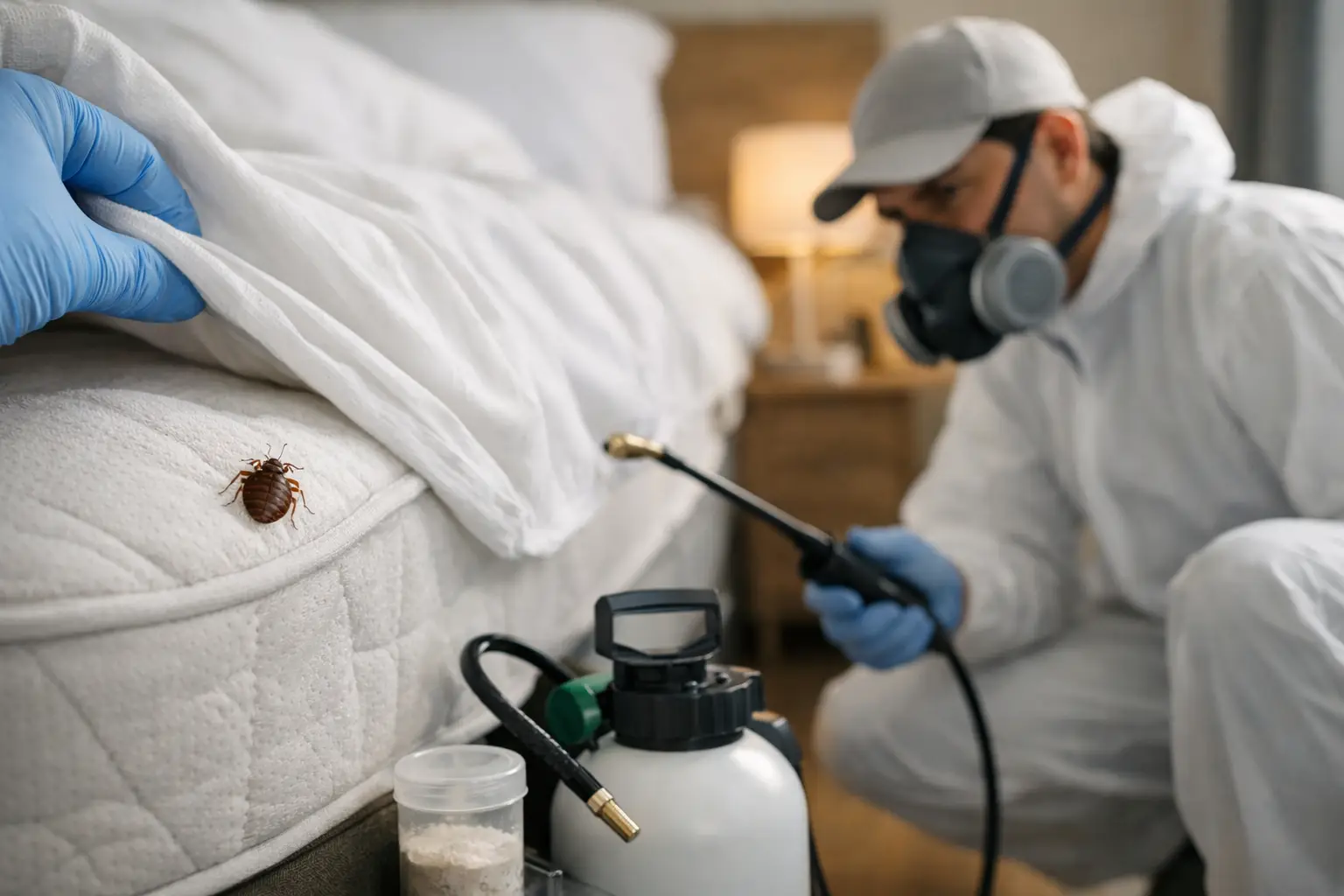
Waking up with itchy, clustered bites can turn a comfortable bedroom into a source of stress quickly. Bed bug control Pickering homeowners, tenants, landlords, and business operators can rely on starts with a careful inspection, not guesswork. These pests are small, persistent, and excellent at hiding, but a prompt professional response can stop an infestation from spreading through a home, apartment building, or workplace.
Why Bed Bugs Spread So Easily in Pickering Homes
Bed bugs do not appear because a property is unclean. They commonly travel in luggage, second-hand furniture, moving boxes, backpacks, and upholstered items. A single female can create a larger problem over time, especially when the insects have access to sleeping areas and undisturbed hiding spots.
In Pickering, bed bug concerns can affect detached homes, condos, rental units, student housing, hotels, offices, and care facilities. Multi-unit properties deserve especially fast attention because bed bugs may move through wall voids, around baseboards, or along utility openings between neighboring units. Treating only the room where bites were noticed may not be enough if the infestation has already expanded.
Bed bugs feed mainly at night, although they can bite during the day when hungry or when people are resting. Their bites are frustrating, but bite marks alone cannot confirm an infestation. Mosquitoes, fleas, skin irritation, and allergic reactions can look similar. Finding physical evidence is the best way to identify the problem accurately.
Signs You May Need Bed Bug Control in Pickering
The most common warning sign is waking with itchy red welts, often in small clusters or lines on exposed skin. Not everyone reacts to bites, however, so an infestation can be present even if no one has visible marks.
Check mattress seams, box springs, bed frames, headboards, bedside furniture, and nearby upholstered seating for small reddish-brown insects, pale shed skins, tiny white eggs, or dark pepper-like spotting. Those dark marks are often bed bug droppings. You may also notice small blood spots on sheets after a bed bug has fed.
Bed bugs prefer tight cracks near where people sleep, but they do not stay confined to mattresses. They can hide behind loose wallpaper, inside electrical outlet covers, under carpeting edges, in drawers, behind pictures, and within furniture joints. As populations grow, they may spread into living rooms, closets, and adjacent rooms.
If you find possible evidence, avoid moving belongings from room to room. Carrying bedding, clothing, or furniture through the home without containment can spread the insects to new areas. Instead, document what you see and arrange a professional inspection as soon as possible.
What Professional Bed Bug Treatment Involves
Effective bed bug removal is a process. A licensed technician begins by assessing the affected rooms, identifying likely harborages, and determining how far the activity has spread. This matters because the right treatment plan depends on the property layout, infestation level, furniture type, and whether the building has attached or adjoining units.
Professional treatment may use targeted residual applications in cracks, crevices, bed frames, furniture, and other approved hiding areas. Technicians can also recommend non-chemical measures such as vacuuming, mattress encasements, steam treatment in suitable locations, and laundering protocols. The goal is to eliminate active bed bugs while reducing the chance that eggs and hidden insects survive.
Heat-based approaches can be useful in certain circumstances, but they are not automatically the best choice for every property. Whole-room heat treatment requires careful setup, monitoring, and preparation to reach effective temperatures safely. Targeted chemical treatment may be more practical for a localized infestation or for properties where heat is not suitable. A reliable pest professional will explain the trade-offs instead of offering a one-size-fits-all promise.
Follow-up visits are often necessary. Bed bug eggs can hatch after an initial service, and newly emerged insects must be addressed before they reproduce. Skipping follow-up instructions or returning untreated items to the room too soon can slow down the results.
Quality Pest Control GTA provides licensed, affordable bed bug treatments designed around the conditions in each property. The focus is on safe, effective control and clear preparation guidance so residents, pets, tenants, and staff can return to normal as soon as possible.
How to Prepare for Bed Bug Treatment
Preparation plays a major role in treatment success. Your technician will provide instructions based on the service plan, but most homes benefit from reducing clutter around beds, sofas, and walls so hiding places can be inspected and treated.
Wash affected bedding, clothing, and fabric items using the hottest temperature the items can safely tolerate, then dry them on high heat when appropriate. Place cleaned items in sealed bags or containers until treatment and follow-up steps are complete. Do not put clean belongings back into untreated drawers, closets, or under-bed storage.
Vacuum mattress seams, bed frames, nearby floors, and upholstered furniture carefully if instructed. Empty the vacuum contents into a sealed bag, dispose of it outside promptly, and clean the vacuum container. Vacuuming helps remove visible insects and debris, but it should not be treated as a complete solution.
Avoid using bug bombs, foggers, rubbing alcohol, or random store-bought sprays. These products can be unsafe when misused, may drive bed bugs deeper into walls or furniture, and rarely reach the concealed areas where infestations persist. Applying multiple products before an inspection can also make professional assessment more difficult.
Prevention After Bed Bug Removal
Once treatment is underway, prevention helps protect the investment. Use bed bug-proof encasements on mattresses and box springs where recommended, and keep beds slightly away from walls when possible. Reducing items stored under the bed makes future inspections easier.
Be cautious with used furniture, especially mattresses, upholstered chairs, sofas, and bed frames. Inspect seams, joints, underside fabric, and cracks before bringing items indoors. When returning from travel, unpack luggage away from bedrooms, wash clothing promptly, and inspect suitcases before storing them.
For landlords and property managers, quick communication matters. A tenant who reports bites or evidence should receive a timely inspection rather than being told to wait. Early intervention can reduce tenant distress, minimize disruption, and lower the risk of activity spreading to neighboring units.
When to Call a Bed Bug Exterminator
Call for professional help when you see live insects, find spotting around sleeping areas, continue getting unexplained bites, or discover bed bug evidence after travel or bringing home used furniture. Fast action is particularly important for apartments, hotels, rental properties, and businesses where several people may be affected.
A professional inspection also brings peace of mind when the evidence is uncertain. Treating the wrong pest wastes time and money. Confirming whether the issue is bed bugs, fleas, carpet beetles, or another pest allows the treatment to address the real cause.
Frequently Asked Questions
Can bed bugs live only in beds?
No. Beds are a common hiding place because they keep bed bugs close to a food source, but they can live in furniture, baseboards, carpeting, wall cracks, luggage, and other protected spaces.
Are bed bugs dangerous to pets and children?
Bed bug bites can cause itching, irritation, poor sleep, and anxiety. While bed bugs are not known to transmit disease through bites, scratching can lead to secondary skin infections. A professional treatment plan should account for children, pets, and anyone with health sensitivities.
How long does it take to get rid of bed bugs?
Timing depends on the size of the infestation, the treatment method, preparation quality, and whether follow-up service is needed. Small, early infestations may resolve faster than widespread activity across several rooms or units.
Can I sleep in my bed after treatment?
Follow your technician’s specific instructions. In many cases, continuing to sleep in the treated room after the required re-entry period helps avoid driving bed bugs into other rooms. Do not relocate to a sofa or another bedroom unless advised.
Bed bugs can make a property feel unsettled, but they are a solvable problem when identified early and treated with a disciplined plan. Keep suspected items contained, avoid DIY shortcuts that scatter the insects, and arrange a professional inspection so you can protect the people who depend on your space.

