
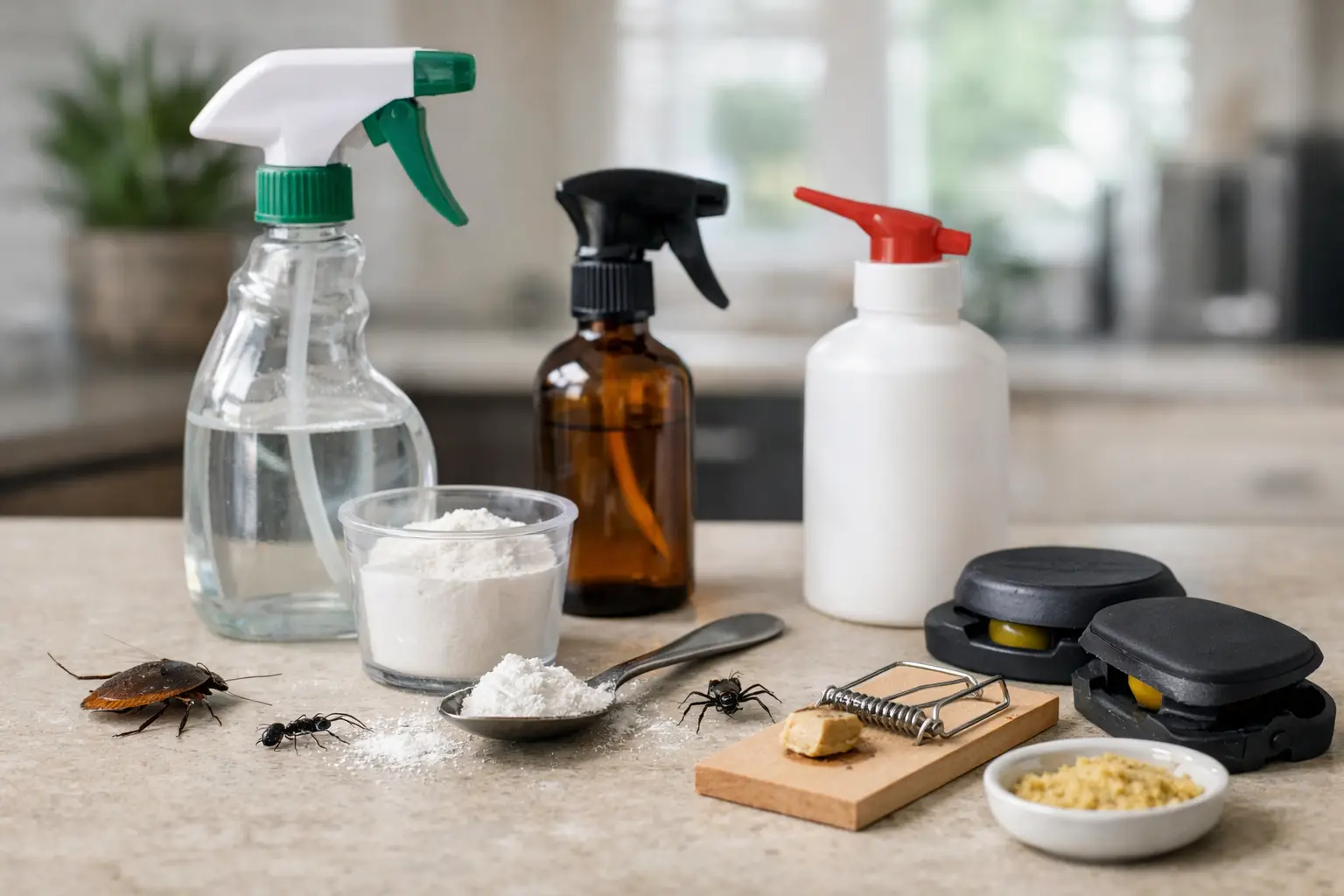
You usually know a pest problem is real before you see the pest itself. It starts with scratching in the wall at 2 a.m., ant trails near the sink, a wasp circling the eaves, or droppings where food is stored. That is why the best home pest control DIY approach is not about throwing random sprays at the problem. It is about finding the source, acting quickly, and knowing when a home fix is enough and when it is not.
For homeowners, tenants, and property managers, the goal is simple – stop the pest, protect the home, and avoid a repeat infestation. DIY can absolutely help with that. But the results depend on the pest, the size of the problem, and how disciplined you are with cleanup, exclusion, and monitoring.
What best home pest control DIY really means
Good DIY pest control is less about products and more about strategy. Most infestations happen because pests have three things: food, water, and access. If you only kill the insects or trap one mouse without fixing those conditions, the activity usually comes back.
The best home pest control DIY plan has four parts. First, identify the pest correctly. Second, remove what is attracting it. Third, block how it gets inside. Fourth, use the safest effective treatment for that specific pest.
That sounds simple, but there is a trade-off. DIY works best for early-stage issues and low-level activity. Once pests are breeding indoors, nesting in walls, or spreading through multiple rooms or units, home treatment often becomes slower, more expensive, and more frustrating than people expect.
Start with inspection, not spray
Before you buy anything, inspect the problem area closely. Look under sinks, behind appliances, around baseboards, inside cabinets, near attic vents, and around exterior gaps. Fresh droppings, grease marks, shredded material, entry holes, dead insects, and egg cases all tell a different story.
Timing matters too. Ants and cockroaches are often more active at night. Rodents leave clues along walls and dark corners. Wasps and hornets usually reveal activity around rooflines, soffits, decks, and sheds during the day.
A lot of failed DIY jobs come from treating the wrong pest or treating the right pest in the wrong place. Spraying where you see activity is not always enough. The nest, harborage area, or entry point is what actually matters.
The best home pest control DIY for ants, roaches, and pantry pests
Small insects are where DIY tends to work best, especially if you catch the problem early. Ants respond better to bait than spray in many cases. If you spray the visible trail, you may kill foragers but leave the colony active behind the wall or outside the foundation. A properly placed bait lets workers carry the treatment back.
Roaches are tougher. If you are dealing with a few occasional sightings, sanitation plus gel bait and sticky monitors can help. If you are seeing roaches in daylight, finding droppings in multiple rooms, or noticing activity in kitchens and bathrooms at the same time, that usually points to a heavier infestation. At that stage, DIY often misses hidden harborages.
Pantry pests need a different approach. Throw out infested dry goods, vacuum shelves thoroughly, and store replacement items in sealed containers. Sprays are usually less useful than removing the source.
In all three cases, cleanup matters as much as treatment. Crumbs under appliances, pet food left overnight, leaky plumbing, and unsealed food containers can keep feeding the problem.
DIY rodent control can work, but only if you seal entry points
Mice and rats are where many homeowners waste time. Traps can reduce activity, but if openings remain, new rodents keep coming in. That is why exclusion is the backbone of rodent control.
Check around utility lines, foundation gaps, garage corners, damaged vent covers, and door sweeps. Even small openings can be enough for mice. Seal gaps with durable materials that rodents cannot chew through easily. Then place traps along walls, behind appliances, and near signs of activity. Rodents like edges, not open spaces.
Bait can seem convenient, but it comes with risks in homes with kids or pets and can create odor problems if rodents die inside inaccessible wall voids. For many homeowners, snap traps or enclosed traps are the cleaner choice for indoor use.
If you hear movement in ceilings, find widespread droppings, or suspect nesting in insulation, it is usually time for professional help. Rodent infestations escalate fast, and the cleanup side matters because droppings and urine are a health concern.
Wasps, hornets, and stinging pests need caution
DIY is not always the smart choice when stinging pests are involved. A small, exposed nest early in the season might be manageable with the right protective gear and a carefully applied product used exactly as directed. But nests hidden in soffits, wall voids, attics, rooflines, or ground cavities are a different story.
The risk is not just getting stung once. Disturbing an active colony can trigger a defensive swarm. That is especially dangerous around children, pets, seniors, or anyone with allergy concerns.
If the nest is close to an entrance, playground area, deck, or business access point, speed matters more than experimentation. In those cases, professional removal is usually the safer and more reliable call.
Spiders, silverfish, and occasional invaders
Not every pest problem means an infestation. Spiders, silverfish, earwigs, centipedes, and similar pests often show up because they found moisture, shelter, or other insects to feed on. DIY control here is usually about making the home less attractive.
Reduce humidity in basements, bathrooms, and crawl spaces. Fix leaks. Store cardboard off the floor. Vacuum webs, egg sacs, and corners regularly. Seal exterior cracks and improve weather stripping.
If you are seeing a lot of spiders, the issue may actually be the insects they are feeding on. That is another reason inspection comes first.
Common DIY mistakes that make infestations worse
The biggest mistake is using too much product. More chemical does not mean more control. It can drive pests deeper into walls, contaminate surfaces, and create safety issues indoors.
The second is stopping too early. People place traps for a few days, stop seeing activity, and assume the problem is gone. Then two weeks later, it starts again because eggs hatch or new pests enter through the same gap.
The third is ignoring exterior conditions. Overgrown vegetation, standing water, open garbage, woodpiles against the house, and cluttered sheds all support pest activity. Indoor treatment without outdoor prevention often gives temporary results.
A final mistake is waiting too long to escalate. If your DIY effort is not clearly improving the problem within a reasonable window, continuing the same approach usually just gives the infestation more time.
When to stop DIY and call a licensed pest control expert
There is no prize for fighting a serious infestation alone. If pests are spreading, returning quickly, or affecting sleep, sanitation, or safety, bring in a licensed professional. That is especially true for bed bugs, German cockroaches, large rodent infestations, wildlife entry, and stinging pests in hidden areas.
A professional service should do more than apply treatment. It should identify the pest accurately, locate nesting or entry points, explain the level of infestation, and recommend prevention steps that make the result last.
That is where local experience also helps. In areas like Toronto, Whitby, Oshawa, Pickering, and surrounding communities, pest patterns shift with season, housing type, and neighborhood conditions. A local company sees those patterns every day and can often spot issues a homeowner misses. Quality Pest Control GTA focuses on that full picture – elimination plus prevention – because quick knockdown is only half the job.
A practical home plan that holds up
If you want DIY to work, keep the plan realistic. Clean up food and moisture issues first. Inspect carefully. Seal openings. Choose the right treatment for the actual pest, not the one you assume you have. Monitor results for at least a couple of weeks, and be honest about whether activity is dropping.
The best home pest control DIY is not the one with the most products on the shelf. It is the one that solves the cause of the problem with the least risk to your family, pets, and property. And if the signs point to a larger infestation, the smartest move is getting expert help before the damage, contamination, or stress gets worse.
A quiet wall, a clean kitchen, and a home that feels safe again is the real goal. If DIY gets you there, great. If not, acting fast is still the right decision.

