
You usually do not start asking what is residential pest control on a good day. It happens after scratching in the walls at 2 a.m., ants showing up in the kitchen again, or a wasp nest turning the backyard into off-limits territory. At that point, most homeowners are not looking for theory. They want the problem handled quickly, safely, and in a way that keeps it from coming back.
What is residential pest control?
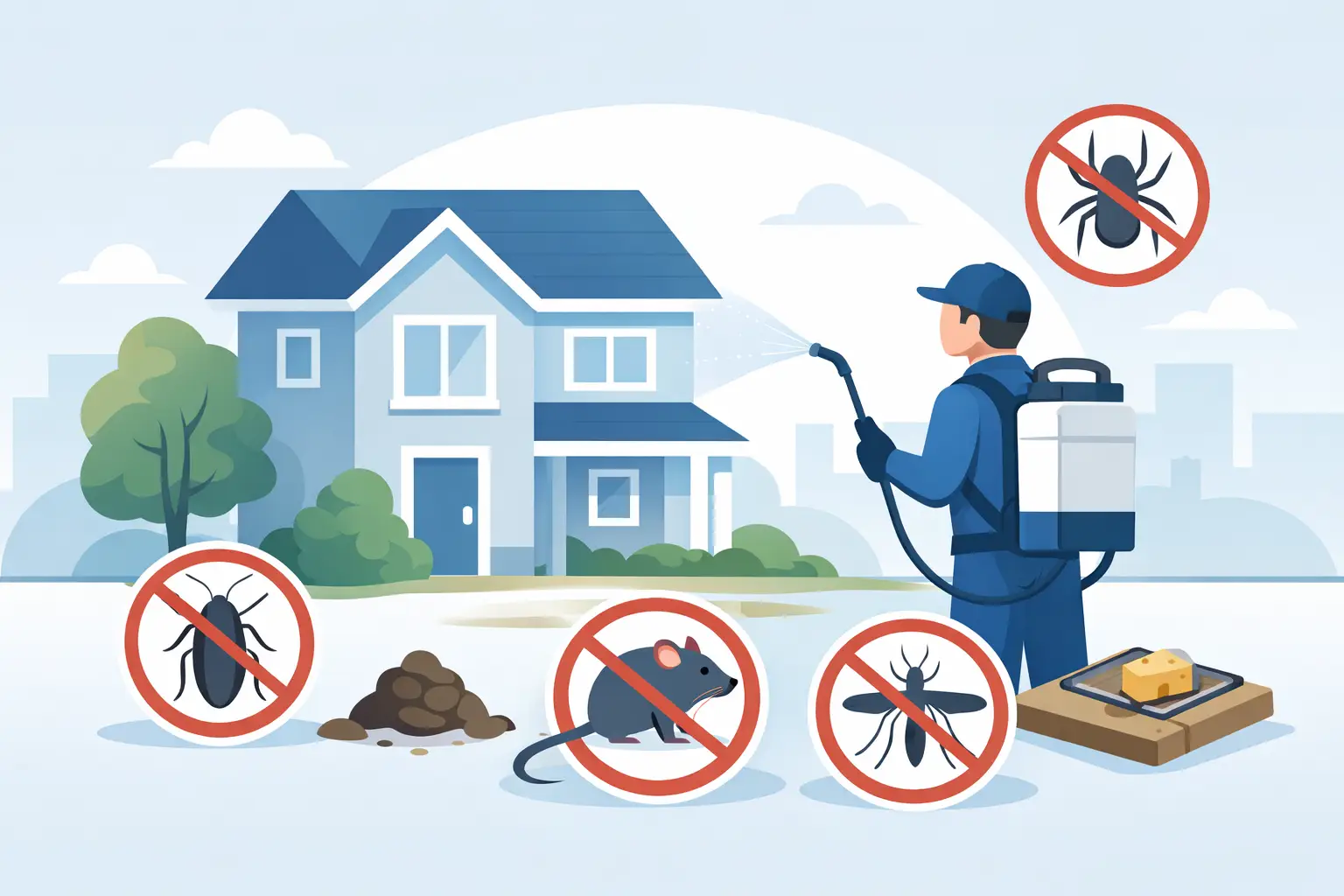
Residential pest control is the professional inspection, treatment, removal, and prevention of pests in and around a home. That can include insects such as ants, cockroaches, bed bugs, spiders, wasps, and mosquitoes, as well as rodents like mice and rats, and in some cases nuisance wildlife such as raccoons and squirrels.
The goal is not just to kill or remove what you can see. Good residential pest control identifies why pests are there in the first place, where they are entering, what conditions are helping them survive, and what needs to happen to prevent another infestation. That is the difference between a short-term fix and a real solution.
For homeowners, tenants, and property managers, this matters because pests affect more than comfort. They can contaminate food, damage insulation and wiring, spread bacteria, trigger allergies, disturb sleep, and create stress that wears on the entire household.
What residential pest control usually includes
A professional residential service usually starts with an inspection. The technician checks the obvious trouble spots, but also the less visible ones – attic spaces, basements, crawl spaces, garages, utility lines, exterior entry points, and moisture-prone areas. Different pests leave different signs, so the treatment plan has to match the infestation.
If the issue is mice, the work may involve locating nesting areas, placing tamper-resistant bait stations or traps, and sealing small openings around pipes, vents, and foundations. If the problem is cockroaches, treatment might focus on cracks, wall voids, kitchens, laundry areas, and bathrooms where warmth and moisture help them thrive. If bed bugs are involved, the plan is usually more detailed because thoroughness matters more than speed.
In many homes, residential pest control also includes preventive treatment. That can mean seasonal barrier applications, nest removal, monitoring, exclusion work, sanitation recommendations, and follow-up visits. The exact scope depends on the pest, the size of the home, and whether the infestation is new, active, or recurring.
Why DIY pest control often falls short
Store-bought sprays and traps can help in minor situations, but they often treat the symptom, not the source. A few dead ants on the counter do not mean the colony is gone. A trap that catches one mouse does not explain how the rest are getting into the house. And overusing the wrong product can spread pests into new areas or create safety concerns for children and pets.
This is where professional residential pest control has an advantage. Licensed technicians are trained to identify pest behavior, use the right treatment methods, and apply products in a controlled way. They also know when chemicals are not the best answer. In some cases, exclusion, sanitation, moisture control, and habitat changes do more than repeated spraying ever will.
There is also a timing issue. The longer an infestation is left alone, the more expensive and disruptive it tends to become. Rodents reproduce quickly. Bed bugs spread from room to room. Wasp nests grow. Wildlife can tear through soffits and insulation while looking for shelter. Quick action usually leads to faster control.
Common pests found in homes
What residential pest control covers depends on the property and the season, but most homeowners deal with a familiar group of offenders.
Ants are one of the most common complaints because they seem small and manageable until they keep returning. The visible trail is only part of the problem. Long-term control depends on targeting the colony and removing the conditions drawing them indoors.
Cockroaches are more serious than many people realize. They are difficult to eliminate without a focused treatment plan and can spread bacteria in kitchens, bathrooms, and utility areas. If you see one during the day, there may already be a larger hidden population.
Mice and rats create both health and property risks. They chew wiring, contaminate food storage, damage insulation, and leave droppings in hidden spaces. Their entry points are often much smaller than homeowners expect.
Bed bugs cause a different type of stress because they affect sleep and spread easily through luggage, furniture, and shared living spaces. They are not a sign of poor housekeeping, but they are a sign that you need a precise treatment strategy.
Wasps and hornets become a safety issue fast, especially around entryways, decks, sheds, and rooflines. For families with children, pets, or allergies, professional removal is the safer move.
Spiders, mosquitoes, squirrels, raccoons, and other nuisance pests also fall under residential pest control, though the treatment approach changes based on whether the issue is insect activity, rodent pressure, or wildlife intrusion.
How a professional treatment plan is built
Not every home needs the same service, and that is where experience matters. A proper treatment plan is based on the pest type, severity of activity, home layout, access points, sanitation conditions, and whether vulnerable people or pets are in the home.
For example, a one-time spider treatment may be enough for a minor seasonal issue. A mouse infestation usually needs a combination of trapping, exclusion, and follow-up monitoring. A cockroach problem in a multi-unit property may require coordination beyond one apartment because pests move between units. Wildlife removal often requires humane trapping or one-way door systems, followed by sealing the damaged entry area.
This is why the best residential pest control is customized. There is no single product or one-size-fits-all visit that works for every home.
Safe and eco-friendly does not mean weak
Homeowners often worry that effective treatment will be too harsh for their family, pets, or living environment. That concern is reasonable. Pest control should solve one problem without creating another.
Professional residential pest control can use eco-friendly and lower-impact methods while still delivering strong results. The key is targeted application, correct product selection, and integrated prevention. Instead of blanket overuse, the focus is on treating where pests live, travel, and enter.
That said, safe treatment does not mean zero restrictions in every case. Some services may require temporary room access limits, preparation steps, or follow-up cleaning instructions. A reliable company explains those details clearly so there are no surprises.
Prevention is a major part of the job
One of the biggest misunderstandings about residential pest control is that it starts and ends with extermination. In reality, prevention is what protects your home over the long term.
Pests usually come in for three reasons: food, water, and shelter. If crumbs collect under appliances, if there is standing moisture in the basement, or if a gap near the roofline gives rodents or wildlife a way inside, the home becomes easier to invade. A good service addresses those conditions, not just the pest itself.
That may include sealing cracks and gaps, screening vents, repairing damaged soffits, reducing moisture, trimming vegetation away from the structure, and improving storage habits. None of these steps are glamorous, but they make a real difference.
In areas with seasonal pest pressure, preventive service can be especially helpful. Homes in Toronto, Scarborough, Etobicoke, and other surrounding communities often deal with changing pest activity across the year, from rodents seeking warmth in colder months to wasps, ants, and mosquitoes becoming more active in warmer weather. Prevention helps reduce those seasonal surprises.
When to call for residential pest control
If you are seeing droppings, hearing scratching, finding damaged food packaging, noticing bite marks, spotting nests, or dealing with repeated pest sightings, it is time to take it seriously. The same goes for strong odors, grease marks along walls, insect casings, or unexplained bites after sleeping.
You do not have to wait until the infestation feels out of control. In fact, calling early usually means more options, lower cost, and less disruption. Fast service matters, but so does thorough service. The right company should be able to explain what they found, what they recommend, and what results you should expect.
Quality Pest Control GTA approaches residential pest issues with that full-picture mindset – elimination first, prevention next, and safety throughout the process.
A home should feel clean, secure, and comfortable. If pests are getting in the way of that, the right residential pest control service does more than remove a problem. It helps you take back your space and keep it protected.

