
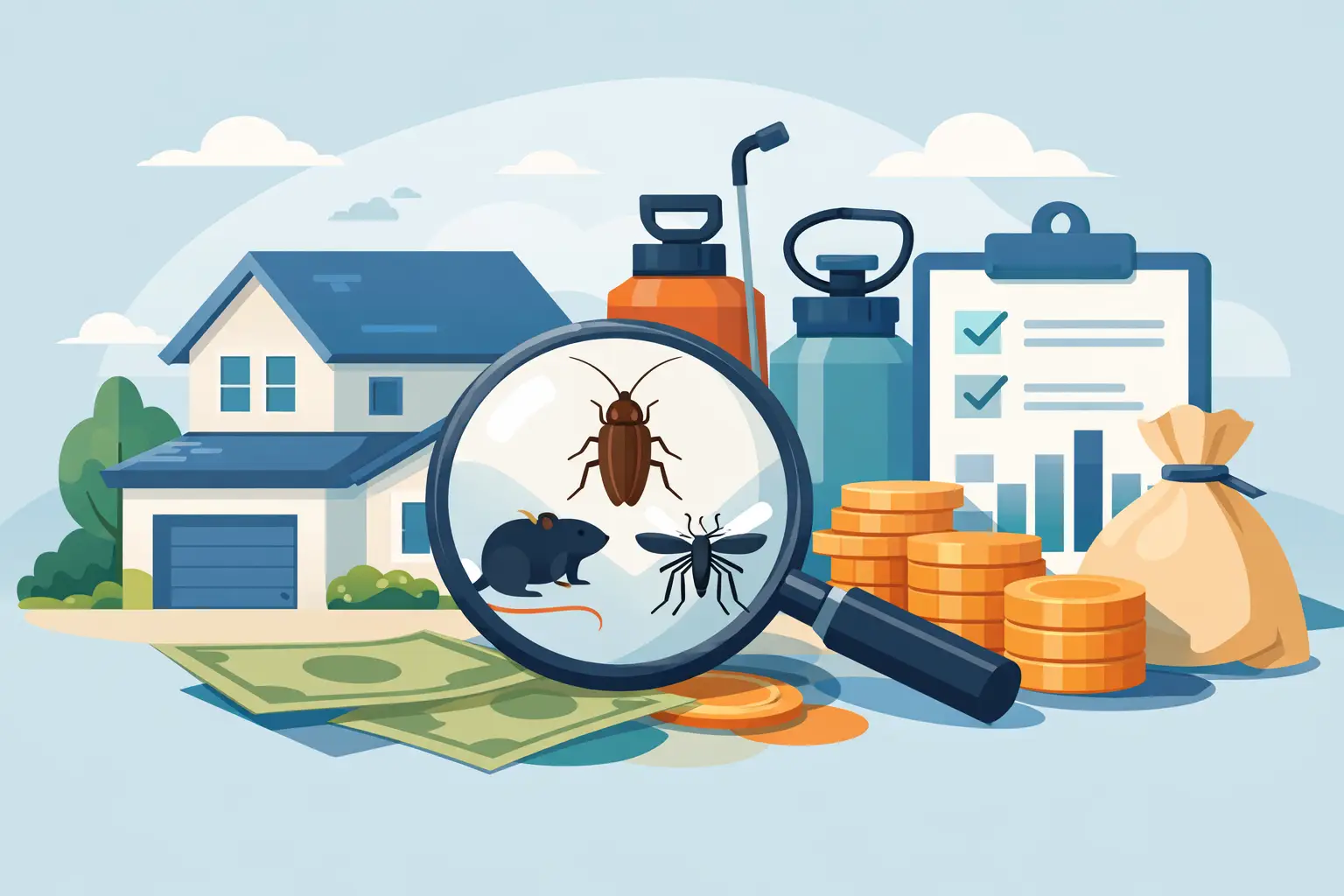
A scratching sound in the wall at 2 a.m. or a line of ants across the kitchen counter usually leads to the same question fast: what is the residential pest control cost going to be? The honest answer is that pricing depends on the pest, the size of the problem, and how much work it takes to stop it from coming back. What matters most is understanding what you are paying for so you can choose a treatment that actually protects your home.
For most homeowners, cost is only one part of the decision. You also need a licensed expert who can respond quickly, use safe eco-friendly methods where appropriate, and fix the source of the problem instead of masking it for a week or two. Cheap treatments can look good upfront and end up costing more when the infestation returns.
What affects residential pest control cost?
The biggest factor is the type of pest. Ants, wasps, mice, bed bugs, cockroaches, and wildlife all require different equipment, treatment products, and labor time. A simple exterior wasp nest removal is very different from a full bed bug treatment or a rodent issue spread through the attic, basement, and wall voids.
The level of infestation also matters. If you catch a problem early, treatment is usually more direct and more affordable. If pests have had time to breed, spread, or damage insulation, drywall, wiring, or stored items, the job becomes larger and more expensive.
Property size plays a role too. A small condo unit generally takes less time to inspect and treat than a detached home with a garage, crawl space, attic, and backyard. Access is another pricing factor. If technicians need to work in tight rooflines, remove nesting material, or seal multiple entry points, labor costs increase.
Follow-up needs can change the final bill. Some pests can be handled in one visit, while others need repeated service. Bed bugs and cockroaches often require follow-up inspections and additional treatments. Rodent control may include trapping, baiting, sanitation advice, and exclusion work to block re-entry.
Typical residential pest control cost by service type
Most residential pest control costs fall into a few broad categories. A one-time general insect treatment is often the most affordable. More complex infestations, especially those involving hidden nesting or multiple treatment stages, sit at the higher end.
Basic insect control for ants, spiders, or occasional invaders may start in the lower range. Stinging pest removal, like wasps or hornets, can vary depending on nest size and accessibility. Mice and rat control usually costs more than a simple insect spray because successful treatment often includes inspection, trapping, bait stations, and recommendations for sealing entry points.
Cockroach and bed bug services tend to be among the more expensive residential treatments. That is not because companies are inflating the price. These pests are difficult to eliminate without a detailed plan, proper product application, and careful follow-up. Skipping steps usually means the infestation survives.
Wildlife removal is priced differently from standard pest control. Removing raccoons or squirrels from an attic may involve humane trapping or one-way door systems, cleanup, and entry-point repairs. In those cases, the cost reflects both removal and prevention.
Why one quote can be much higher than another
If you request a few estimates, you may notice a wide price gap. That does not always mean one company is overpriced and another is a bargain. Sometimes the cheaper quote covers only the first visit, while the higher quote includes inspection, treatment, follow-up, and prevention work.
This is especially common with rodents. One provider may quote for placing bait or traps only. Another may include a full inspection of the home, identification of access points, and recommendations to stop future entry. The second option often delivers better long-term value because it addresses the cause, not just the activity you can see.
The same issue shows up with bed bugs and cockroaches. A low quote may not include enough visits to break the infestation cycle. If eggs hatch after a minimal treatment, you are paying again. Reliable pricing is usually tied to a clear scope of work, not a vague promise of quick results.
Residential pest control cost for common pest problems
Mice are one of the most common residential calls in colder months. Costs can rise if mice are active in several areas or if exclusion work is needed around vents, utility lines, roof edges, and foundation gaps. A fast response saves money because early infestations are easier to contain.
Rats typically cost more than mice because they are larger, more destructive, and often harder to eliminate fully. They can damage insulation, contaminate storage spaces, and create serious sanitation issues.
Ant control is often more affordable when the colony is localized. If ants are nesting inside walls, under slabs, or around multiple exterior zones, treatment may require more than one approach. Carpenter ants can also increase costs because they may signal moisture issues or wood damage.
Bed bug treatment sits at the high end because it is labor-intensive and requires precision. Treatment often involves detailed inspection, room-by-room service, and preparation steps by the homeowner. That preparation is part of the process, and it affects both cost and results.
Cockroach control also requires thorough work. Roaches spread quickly, hide in tight spaces, and can trigger health concerns in kitchens and living areas. If infestation levels are heavy, a proper treatment plan may include more than one visit.
Wasp and hornet nest removal can be straightforward if the nest is visible and easy to access. If nests are inside soffits, wall voids, or roof structures, the complexity goes up. The same nest in a harder location usually means a higher price.
Is recurring service worth the cost?
For some homes, yes. Recurring pest control can be more cost-effective than waiting for repeated infestations. Homes near ravines, wooded areas, restaurants, older neighborhoods, or high-activity pest zones often benefit from scheduled prevention.
Routine service helps catch early signs before they turn into larger problems. That matters for ants in spring, wasps in summer, rodents in fall, and indoor pest pressure during winter. It also gives homeowners a clearer sense of budgeting because the cost is spread out instead of arriving as an emergency.
That said, not every property needs an ongoing plan. If your issue is isolated and quickly resolved, a one-time professional treatment may be enough. The right choice depends on the pest history of the home, nearby environmental conditions, and how vulnerable the property is to re-entry.
What should be included in the price?
A strong quote should explain more than the number. It should tell you what pest is being treated, what methods will be used, whether follow-up is included, and what preparation is required from you.
For rodent and wildlife issues, ask whether the quote includes exclusion or only removal. For bed bugs and cockroaches, ask how many visits are included and what happens if activity continues. For general pest control, ask whether interior and exterior treatment are both covered.
Homeowners should also ask about safety. If you have children, pets, or sensitive family members, treatment plans should be explained clearly. A licensed company should be able to walk you through what is being applied, where, and what precautions to take.
How to keep pest control costs from climbing
The easiest way to control residential pest control cost is to act early. A small mouse problem is easier to solve than a colony hidden in walls and attic insulation. A single wasp nest is simpler than multiple nests around the roofline.
Prevention also matters. Sealing cracks, storing food properly, reducing moisture, and trimming vegetation near the home all help limit pest activity. Cleanliness alone will not stop every infestation, but it reduces the conditions that many pests rely on.
Professional inspections can also save money over time. An expert may catch signs of entry, nesting, or damage before the issue becomes severe. That is often the difference between a manageable treatment and a much larger repair bill later.
Choosing value over the lowest price
The best pest control service is not the one with the smallest number on the estimate. It is the one that solves the problem safely, completely, and with the least chance of repeat infestations. That means looking at response time, experience, treatment quality, and whether prevention is part of the plan.
For homeowners in the GTA, fast action matters because pest problems rarely stay small for long. Quality Pest Control GTA understands that urgency and focuses on affordable, reliable service backed by licensed expertise and practical prevention.
If you are comparing quotes, look for clarity, not just cost. The right service should leave you with fewer risks, less stress, and a home that feels protected again. That peace of mind is usually worth far more than the cheapest estimate.

