
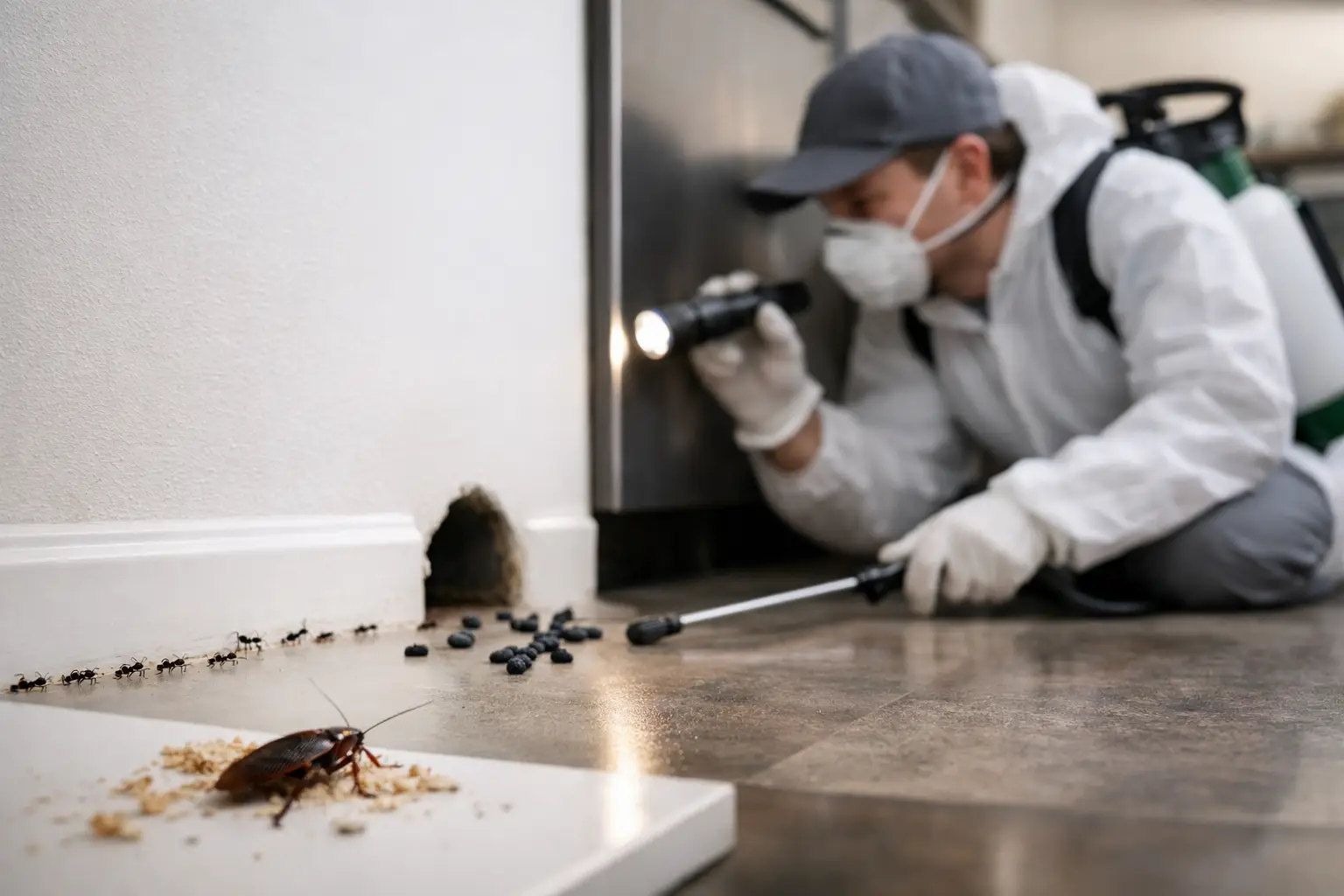
A mouse dropping under the kitchen sink, a line of ants near the pantry, or one unexplained bite after sleeping may seem small. Sometimes it is. But pests rarely announce a larger problem before it starts affecting your health, property, sleep, or business reputation. Knowing when should you call an exterminator helps you act before a manageable issue turns into a costly infestation.
The practical answer is this: call a licensed pest professional when you see repeated activity, signs of nesting or damage, pests that can spread disease, or any problem that home remedies have not stopped. A professional inspection can identify the pest, locate where it is entering or hiding, and provide treatment that targets the source rather than only the pests you can see.
When Should You Call an Exterminator Right Away?
Some pest problems are not worth monitoring for another week. Rodents, bed bugs, cockroaches, stinging insects in high-traffic areas, and wildlife inside a building deserve prompt attention. These pests can multiply quickly, create safety concerns, contaminate food, damage structures, or make a home or workplace difficult to use comfortably.
Call an exterminator as soon as possible if you find droppings, gnaw marks, chewed wiring, a visible nest, a strong musty or ammonia-like odor, or multiple live pests indoors. You should also act quickly if a child, pet, elderly family member, tenant, or employee could be exposed to bites, stings, allergens, or contaminated surfaces.
For businesses, the threshold should be even lower. A single cockroach in a restaurant kitchen, rodent evidence in a storage area, or flies around food preparation spaces can create sanitation concerns and customer complaints. Early professional service protects both the property and the people who rely on it.
Repeated Sightings Usually Mean More Are Hidden
Seeing one insect does not always mean an infestation. A spider may wander indoors, and an ant scout may enter through a small gap looking for food. Repeated sightings are different. If you see pests in the same room on multiple days, notice activity at night, or find them in more than one area, there is likely a food source, nesting site, or entry point nearby.
Cockroaches are a clear example. They prefer tight, dark spaces near water and food, so the one you spot near a sink may be only a fraction of the activity behind appliances, inside wall voids, or beneath cabinets. Bed bugs are similarly easy to underestimate. One bite can have several causes, but blood spots on sheets, dark marks along mattress seams, shed skins, or ongoing bites make a professional inspection the sensible next step.
Mice and rats also tend to stay hidden until their numbers grow. Scratching sounds in walls or ceilings, droppings in cabinets, shredded paper, greasy rub marks along baseboards, and pet food that has been disturbed are strong reasons to call. Rodents reproduce fast and may chew insulation, plumbing materials, and electrical wiring.
Do Not Rely on a Single Trap or Spray as Proof the Problem Is Solved
DIY products can be useful for a minor, isolated issue. A properly placed mouse trap may catch a single mouse, and an ant bait may reduce a small trail. The trade-off is that these methods usually do not tell you where pests are entering, whether a nest remains, or whether a larger population is hidden out of sight.
If activity continues after a few days of reasonable cleaning and DIY efforts, professional treatment is usually more affordable than repeatedly buying products that only suppress the visible problem. Licensed technicians can combine targeted treatments with exclusion and prevention measures for longer-lasting control.
Health and Safety Risks Are a Reason to Act Fast
Some pests are more than a nuisance. Rodents can contaminate food and surfaces with droppings and urine. Cockroaches can trigger allergy and asthma symptoms, especially in children. Fleas may bite both people and pets, while bed bugs can cause itchy welts, lost sleep, and significant stress.
Wasps and hornets need special caution. A nest near a front door, deck, playground, outdoor dining area, or commercial entrance creates a real sting risk. Do not spray or knock down an active nest yourself. Disturbing it can cause defensive swarming, and the nest may be in a wall, roofline, or ground cavity where store-bought sprays cannot reach safely.
Wildlife problems also require proper handling. Raccoons, squirrels, skunks, and birds can enter attics, chimneys, sheds, and soffits. Closing an opening before confirming animals have left can trap them inside or separate mothers from young. Professional wildlife removal focuses on humane removal, safe exclusion, and repairs that help prevent re-entry.
Property Damage Is a Professional Pest Control Signal
Call an exterminator when pests are damaging the building, not just appearing inside it. Carpenter ants can excavate damp or weakened wood. Rats and mice can chew wiring and create fire risks. Squirrels may tear insulation and damage vents, while raccoons can pull apart roofing materials and access points.
Termite activity is less common in some areas than other wood-destroying pests, but any unexplained wood damage deserves inspection. Watch for soft or hollow-sounding wood, piles of sawdust-like material, small holes, bubbling paint, or moisture-damaged trim. The right treatment depends on the pest and the condition of the structure, so correct identification matters.
In older homes and multi-unit buildings, pests can move through wall voids, utility lines, shared plumbing routes, and gaps around foundations. Treating only one unit or one room may not resolve the source. A detailed inspection helps determine whether a building-wide approach, tenant cooperation, sanitation changes, or sealing work is needed.
Seasonal Pest Problems Can Escalate Quickly
In the GTA, seasonal changes often push pests toward homes and businesses. As temperatures cool, mice, rats, and wildlife look for warmth and reliable food. In spring and summer, ants, wasps, mosquitoes, and other insects become more active around yards, garbage areas, and exterior cracks.
Waiting until a seasonal pest is established indoors can make removal more involved. If you hear attic noises in fall, find a wasp nest developing in early summer, or notice ants returning after rain, an early inspection can prevent the problem from growing. Quality Pest Control GTA provides responsive, eco-friendly treatment plans designed around the pest, the property, and the level of activity.
What a Professional Exterminator Does Differently
Effective pest control is not simply applying a chemical product. A licensed technician starts by identifying the pest and looking for the conditions allowing it to survive. That may include food debris, standing water, moisture problems, open trash, cluttered storage, cracks around pipes, damaged screens, or gaps along the roofline.
Treatment may involve targeted baits, traps, residual applications, dusts in inaccessible voids, nest removal, exclusion work, or monitoring devices. The safest and most effective method depends on the species, where it is active, and whether children, pets, customers, or sensitive environments are present. A reliable exterminator explains what will be done, what you should prepare, and how to reduce the chance of recurrence.
For bed bugs, cockroaches, and heavy rodent activity, follow-up service may be necessary. That is not a failure. Eggs can hatch after an initial visit, and pests may emerge from hidden locations after treatment. The goal is complete control and prevention, not a quick spray that provides temporary relief.
Steps to Take Before Your Service Visit
You do not need to solve the infestation before calling. Still, a few simple steps can make inspection and treatment more effective. Avoid moving suspected bed bug items into other rooms, since this can spread the problem. Keep children and pets away from active rodent droppings, nests, or stinging insect areas.
For most pest concerns, preserve evidence if possible. Take a clear photo, note where and when you saw activity, and avoid using multiple sprays before the inspection. Heavy spraying can drive insects deeper into walls or make it harder to assess where they are coming from.
Clean accessible food crumbs, store dry goods in sealed containers, empty indoor trash regularly, and repair obvious moisture leaks. These actions support professional treatment, but they should not delay a call when you are seeing clear signs of an infestation.
Frequently Asked Questions
Should I call an exterminator after seeing one mouse?
One mouse can be a sign of more, particularly if you also find droppings, chewed packaging, or scratching sounds. Set traps if you wish, but arrange an inspection if you see additional evidence or catch more than one mouse. Entry-point sealing is essential for preventing repeat activity.
Can I wait to see if bed bugs go away?
No. Bed bugs do not disappear because a room is cleaned or left unused. They can survive for long periods without feeding and may spread to other rooms, units, or belongings. Prompt professional inspection is the safest approach.
Are professional pest treatments safe for children and pets?
When performed by a licensed technician, treatments are selected and applied with safety in mind. You will receive clear instructions about preparation, temporary access restrictions, and any aftercare needed for your specific service.
When is pest control an emergency?
Treat it as urgent when there is an active wasp or hornet nest near people, rodents contaminating food areas, wildlife trapped inside, extensive damage, or a severe cockroach or bed bug problem. Fast action limits risk and reduces the chance that pests spread.
A pest issue does not have to become overwhelming before you ask for help. If the signs are repeating, the risk is rising, or you simply want a clear answer before the problem grows, a professional inspection gives you a practical path back to a clean, protected property.

