
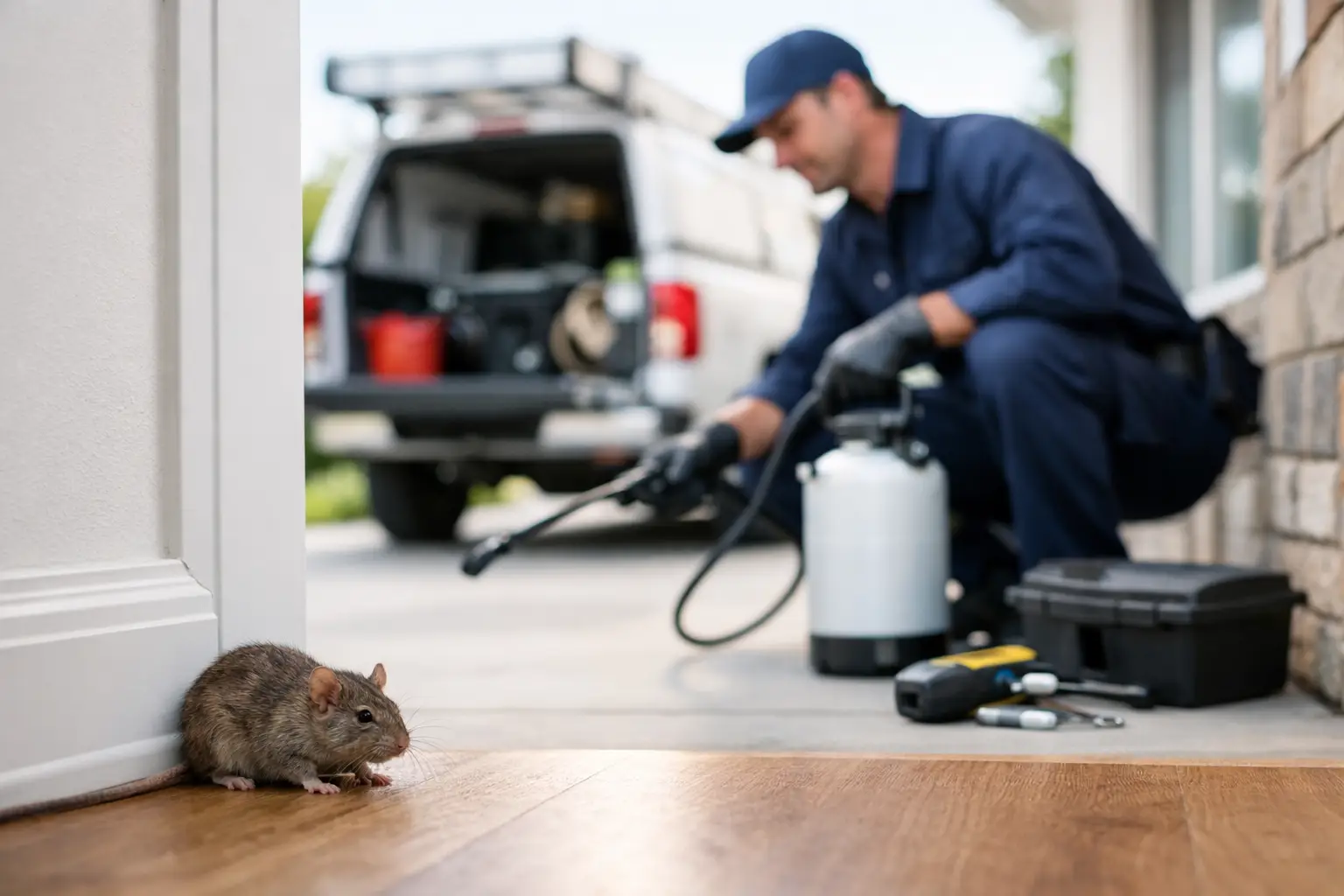
Seeing a mouse run along the baseboard, waking up with itchy bites, or finding a wasp nest above the front door changes a routine day quickly. When you search for pest control near me, you need more than a person with a spray can. You need a licensed local professional who can identify the problem, act safely, and help make sure it does not return.
For homeowners, tenants, property managers, and businesses across the GTA, fast action can limit damage, protect food and belongings, and reduce the stress that comes with an active infestation. The right response depends on the pest, the size of the problem, and the property itself.
What to Expect From Pest Control Near Me
A dependable pest control visit should start with an inspection, not a guess. Many pests leave similar clues. Droppings can point to mice or rats, but their size and location matter. Small black marks in a kitchen may be cockroach activity, while sawdust-like debris near wood can signal carpenter ants. Bites may come from bed bugs, fleas, mosquitoes, or another source altogether.
A licensed technician looks for the pest, its entry points, nesting areas, food sources, moisture problems, and conditions that allow it to thrive. In a Toronto apartment, that may mean checking plumbing openings, utility penetrations, storage areas, and shared walls. At a Whitby home, it could mean examining a garage, attic, foundation gaps, or bird feeder activity that is attracting rodents.
After the assessment, you should receive a clear explanation of the recommended treatment. That includes what will be treated, why it is being treated, what preparation is needed, and what results to expect. Honest pest control is not about promising an instant fix for every situation. Bed bugs, cockroaches, and rodents often require follow-up because eggs hatch, pests move through hidden spaces, or new activity comes in through an unsealed opening.
Signs It Is Time to Call a Professional
One insect does not always mean an infestation. A single spider or occasional earwig may have wandered indoors. But repeated sightings, especially in the same area, deserve attention. Pest populations can grow quietly behind walls, under appliances, in attics, and around exterior structures.
Call for professional help when you notice recurring droppings, gnaw marks, chewed food packages, grease marks along walls, strange odors, or scratching noises after dark. For insects, watch for shed skins, egg cases, tiny dark spots around beds or furniture, ant trails, and clusters of insects near windows, drains, or food storage.
Some problems require faster action. A wasp or hornet nest near a doorway can create a sting risk for children, pets, employees, and visitors. Bed bugs can disrupt sleep and spread between units or rooms. Rats can contaminate food and damage wiring. Raccoons, squirrels, and skunks can enter attics, damage insulation, and create sanitation concerns.
Businesses should not wait for a customer complaint. Restaurants, retail spaces, offices, warehouses, and rental properties need prompt, discreet service when pest activity appears. Early treatment is usually more affordable and less disruptive than dealing with a larger infestation later.
Treatment Should Match the Pest and Property
Effective pest management is not one-size-fits-all. The treatment for ants is different from the plan for bed bugs, and wildlife removal requires a different approach than cockroach control. A professional should select methods based on pest behavior, location, safety needs, and the level of activity.
For rodents, treatment may include tamper-resistant bait stations where appropriate, trapping, removal of active rodents, and exclusion work to close entry points. Blocking gaps is essential. Mice can fit through openings about the size of a dime, so sealing obvious holes while missing utility gaps can leave the problem unresolved.
Cockroach control often combines targeted products, crack-and-crevice treatment, monitoring, sanitation guidance, and follow-up service. A technician may focus on kitchens, bathrooms, appliance voids, pipe openings, and areas with heat and moisture. Simply spraying visible roaches rarely reaches the hidden population.
Bed bug extermination requires careful inspection and preparation. Treatment may involve professional-grade products, steam, vacuuming, mattress and furniture inspections, and scheduled rechecks. Residents may need to bag linens, reduce clutter, and follow preparation instructions closely. Skipping those steps can give bed bugs more places to hide.
For ants, especially carpenter ants, the technician needs to locate the colony or the areas where ants are traveling. Carpenter ants are more than a nuisance when they are nesting in damp or damaged wood. Addressing moisture and wood conditions is often part of long-term prevention.
Wildlife removal should be humane, controlled, and focused on prevention. Once raccoons or squirrels have left an attic, the entry point must be professionally secured at the right time. Closing an opening while animals or young are still inside can create a worse problem. That is why inspection and timing matter.
Safe, Eco-Friendly Service Means Thoughtful Service
Many customers want pest control that is safe for children, pets, customers, and staff. That does not mean every pest issue can be solved with a store-bought natural remedy. It means using the least disruptive effective method, applying products precisely, and combining treatment with practical prevention.
A professional may recommend sanitation improvements, moisture reduction, sealing, trapping, monitoring, or targeted applications instead of broad treatment throughout a property. Eco-friendly pest management is about reducing unnecessary exposure while still solving the actual problem.
Before service, tell the technician about pets, young children, allergies, fish tanks, medical concerns, and areas where food is prepared or stored. Ask what areas will be treated, whether you need to leave during service, and when it is safe to return to treated spaces. Clear instructions protect everyone and support better results.
Prevention Starts the Day Treatment Ends
The best time to prevent a repeat infestation is immediately after the active pest issue is addressed. Pests are usually looking for food, water, shelter, or access. Remove as many of those opportunities as possible.
Keep pantry items in sealed containers and clean crumbs, grease, and pet food spills promptly. Repair leaking pipes, dry damp areas, and avoid leaving standing water near the property. Keep garbage containers closed, maintain a clear gap between outdoor clutter and the building, and trim branches away from the roofline.
Inspect door sweeps, window screens, vent covers, siding gaps, and utility openings. In older homes and multi-unit properties, these small access points are especially important. Property managers may also need coordinated treatment and prevention because pests can travel between suites through plumbing, hallways, storage spaces, and shared walls.
Quality Pest Control GTA can help identify the conditions behind the activity, not just the pest you saw. That prevention-focused approach gives homes and businesses a stronger chance of staying pest-free after treatment.
Questions to Ask Before Booking Service
When choosing a local pest company, ask whether technicians are licensed and whether the company has experience with your specific pest. Ask what the service includes, whether follow-up visits are recommended, and what preparation you need to complete.
It is also reasonable to ask about pricing before treatment begins. The lowest quote is not always the best value if it excludes inspection, follow-up, or the exclusion work needed to stop rodents and wildlife from returning. A clear estimate should explain the scope of service rather than relying on vague promises.
For urgent problems, ask about availability and response time. A nest near an entrance, rodent activity in a food business, or bed bugs in a rental unit may need prompt attention. Reliable service should make the next step clear and help you understand what can happen right away.
Frequently Asked Questions
How quickly can pest control work?
Some pests, such as wasps or visible ant trails, may show a major reduction quickly. Other issues take longer. Cockroaches, bed bugs, rodents, and wildlife may require multiple visits, monitoring, or exclusion work for lasting control.
Can I handle the infestation myself first?
For a minor, isolated issue, cleaning, sealing food, and removing standing water may help. However, DIY products can scatter pests, mask activity, or create safety concerns when used incorrectly. Professional service is a better choice when sightings repeat, bites occur, property damage is visible, or the pest could pose a health or sting risk.
Do I need treatment if I only saw one mouse?
One mouse can mean there are more nearby, especially during colder weather when rodents seek indoor shelter. A professional inspection can identify entry points and determine whether there is active rodent activity before it becomes a larger problem.
A fast response is not about panic. It is about protecting your home, tenants, customers, or family with a practical plan that addresses the pest you see and the conditions that brought it there. If activity keeps returning or you are unsure what you are dealing with, arranging a professional inspection is the sensible next move.

