
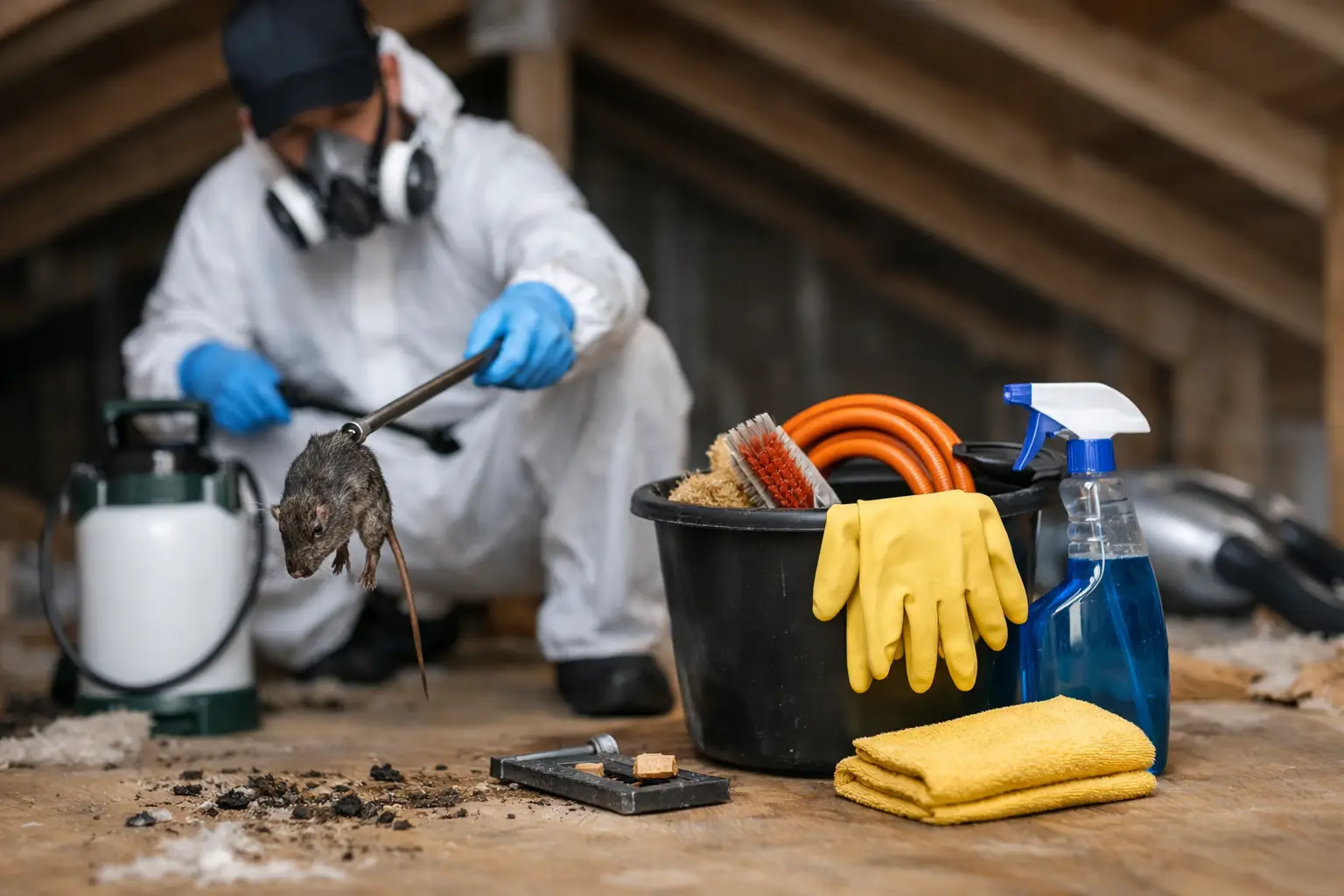
A pest problem rarely ends when the pest is gone. The real trouble often shows up afterward – droppings in the attic, nesting material behind walls, contaminated insulation, greasy trails along baseboards, and the smell that tells you something is still wrong. That is why pest removal and cleanup need to be handled as one job, not two separate tasks.
If you stop at extermination alone, you may still be left with health risks, property damage, and conditions that attract the next infestation. Homeowners, tenants, property managers, and business owners usually want the same thing: fast relief, a clean space, and confidence that the problem will not return a few weeks later. Getting there takes more than spraying or trapping. It takes a full plan.
Why pest removal and cleanup go together
Pests leave behind more than visible mess. Rodents can contaminate storage areas, kitchens, basements, and attic insulation with urine and droppings. Cockroaches can leave allergens on surfaces and inside cabinets. Wildlife such as raccoons and squirrels can tear insulation, damage ductwork, and create unsafe nesting areas. In commercial settings, even a small amount of pest activity can lead to sanitation concerns, customer complaints, and damage to your reputation.
Cleanup matters because the evidence pests leave behind can keep causing problems after the infestation is controlled. Odors may linger. Bacteria and allergens can remain on surfaces. Nesting debris can attract new pests looking for shelter. In some cases, insects such as flies or carpet beetles show up after rodents or wildlife have already died inside walls or ceiling spaces. That is where a proper cleanup process makes a real difference.
What professional pest removal and cleanup should include
A reliable service starts with inspection. Before any treatment begins, the affected areas need to be assessed for active pest activity, contamination, access points, and structural damage. This helps determine whether the issue is limited to one area or spread through wall voids, attics, crawl spaces, or commercial storage zones.
After identification comes removal. The exact method depends on the pest. Mice and rats may require trapping, baiting, exclusion, and monitoring. Bed bugs need targeted treatment and follow-up. Cockroaches often call for a combination of gel baits, dusts, and sanitation corrections. Wildlife removal should be humane, controlled, and focused on safe extraction rather than quick fixes that leave animals trapped inside.
Cleanup follows removal, but the scope can vary. In mild cases, it may involve sanitizing affected surfaces and disposing of contaminated materials. In heavier infestations, it can mean removing soiled insulation, cleaning nesting zones, deodorizing the area, and sealing entry points so pests cannot re-enter. For businesses, cleanup may also include recommendations for storage practices, waste handling, and food-safe sanitation improvements.
Common situations where cleanup is critical
Rodent infestations are one of the clearest examples. Mice and rats reproduce quickly, and they are rarely neat about where they travel. If they have been active in an attic or behind a commercial kitchen wall, the contamination can spread much farther than most people expect. Droppings may be visible in one corner, while urine trails and nesting materials are hidden in insulation or under equipment.
Wildlife problems can be even more disruptive. A raccoon in the attic does not just create noise. It can crush insulation, leave waste behind, and open the door to moisture and secondary pest issues. Squirrels can chew wiring, and birds can leave nesting debris and droppings in vents and roof spaces. Removing the animal is urgent, but restoring the space is what brings the property back to a safe condition.
Insects create a different type of cleanup challenge. Cockroaches, for example, leave behind shed skins, droppings, and residue that can trigger allergies and make a property feel unclean even after treatment. Wasps and hornets may leave nests attached to eaves, soffits, wall cavities, or sheds. If those nests are not safely removed and the area is not addressed, the same spot may stay attractive for future nesting.
DIY cleanup vs professional help
There are minor cases where basic cleanup may be manageable, but there is a line most property owners should not cross. Sweeping droppings, disturbing nesting material, or entering a contaminated attic without proper protection can expose you to harmful particles and hidden hazards. The same goes for trying to remove wildlife waste or contaminated insulation on your own.
Professional service makes sense when the infestation has been active for more than a short time, when contamination is widespread, or when the affected area is hard to access. It also makes sense when children, pets, tenants, or customers use the space and safety is a priority. A licensed team can identify what needs to be removed, what can be sanitized, and what must be repaired or sealed to prevent a repeat problem.
That said, not every property needs a full restoration project. Sometimes the right answer is targeted treatment, careful sanitation, and strategic exclusion work. The best approach depends on the pest, the size of the infestation, and how much damage has already been done.
Prevention is part of the cleanup
One of the biggest mistakes people make is treating cleanup like the final step. In reality, prevention should be built into the process. Once pests are removed and contaminated materials are dealt with, the property needs to be made less inviting.
That usually means sealing gaps around utility lines, repairing soffits or vents, screening entry points, correcting moisture issues, and tightening up food and garbage storage practices. In homes, this may include garage door gaps, foundation cracks, attic openings, and cluttered storage areas. In businesses, it can involve receiving doors, waste zones, food prep areas, and employee break rooms.
Without exclusion and prevention, even the best treatment can be temporary. Pests are opportunistic. If they find warmth, water, shelter, or easy access, they will test the same property again.
What to expect from a dependable local service
When you call for pest removal and cleanup, speed matters. Delays can allow contamination to spread and damage to get worse. A dependable local company should be able to inspect quickly, explain the problem clearly, and recommend a treatment plan that matches the urgency of the situation.
You should also expect transparency. That means clear communication about what is active, what damage exists, what cleanup is necessary, and what follow-up may be needed. Some infestations need more than one visit. Some cleanup jobs are straightforward, while others involve attic restoration, odor control, or exclusion repairs. Honest guidance matters because overpromising is just as unhelpful as underreacting.
For property owners in busy areas like Toronto, Whitby, Scarborough, or Oshawa, response time and local experience can make a big difference. Pest pressures vary by building type, season, and neighborhood conditions. A team that understands local housing stock, commercial property layouts, and common regional pest patterns is often better equipped to solve the problem efficiently.
Quality Pest Control GTA approaches these situations with the mindset customers actually need – remove the pest, clean the problem area, and reduce the chance of it happening again. That is what creates lasting relief.
When to call right away
Some signs should not wait. Strong odors, visible droppings, scratching in walls or ceilings, grease marks, damaged food packaging, chewed wires, nesting debris, and repeat sightings all point to a problem that may be larger than it appears. The same is true if tenants are complaining, staff are reporting pest activity, or a business is dealing with sanitation concerns.
Quick action is not just about comfort. It helps limit contamination, protects the property, and can reduce the overall cost of the job before the infestation spreads further. Waiting often turns a manageable issue into a larger cleanup and repair project.
The right fix is not always the most aggressive one. Sometimes it is a focused treatment and careful sanitation plan. Sometimes it is removal, exclusion, and major cleanup in one visit sequence. What matters is choosing a service that looks at the full picture, not just the pest in front of them.
A clean, safe property starts with more than getting pests out. It starts with dealing with what they leave behind, fixing how they got in, and making sure your home or business feels protected again.

