
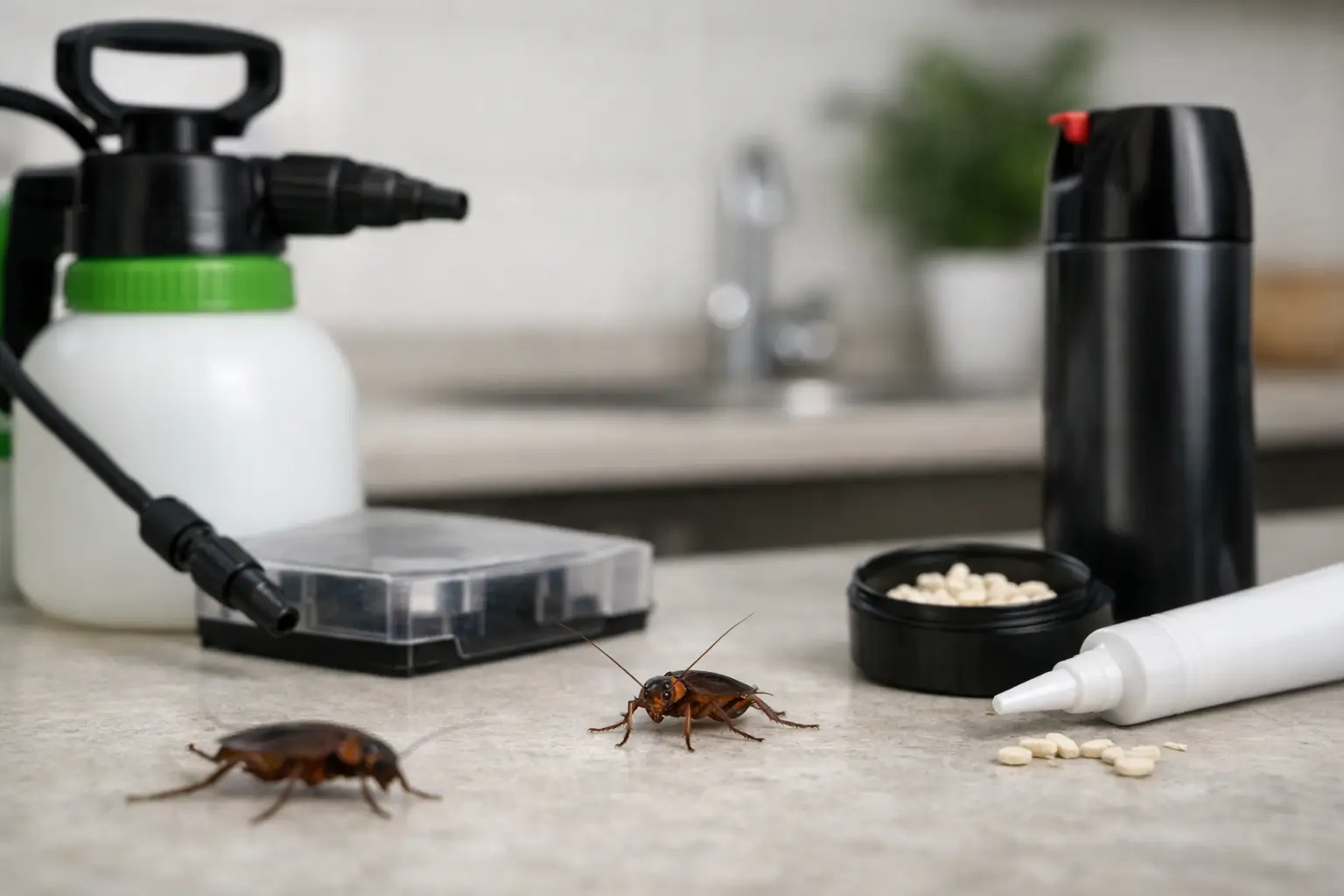
You usually do not see one roach and think, this is fine. You see one in the kitchen at midnight, and suddenly every cabinet, appliance gap, and baseboard feels suspicious. If you are searching for the best home pest control for roaches, you probably want two things right away – something that works now, and a plan that keeps them from coming back.
That matters because roaches are not just unpleasant. They spread bacteria, contaminate food, trigger allergies, and multiply fast when the conditions are right. A few DIY steps can help in light activity, but the best results usually come from combining sanitation, targeted treatment, and prevention instead of relying on one spray and hoping for the best.
What actually works as the best home pest control for roaches
The most effective home approach is not foggers, strong-smelling cleaners, or random aerosol spraying. In most homes, the best home pest control for roaches is a layered system: gel baits, insect growth regulators, crack-and-crevice treatment, moisture control, and sealing entry points.
Why this works is simple. Roaches hide deep in narrow spaces, travel along edges, and stay close to food and water. If you only spray where you can see them, you miss the nest areas and may even push them deeper into walls and appliances. Baits and targeted treatments reach the colony more effectively because roaches carry the toxicant back to harborage sites.
There is a trade-off, though. Baits are highly effective, but they take a little time. Contact sprays can kill on sight, but they rarely solve the infestation by themselves. If you want fast relief and long-term control, you need both immediate reduction and follow-up prevention.
Start with the conditions that keep roaches alive
Before any product can perform well, the home needs to become less attractive to roaches. They thrive where they can find crumbs, grease, cardboard, and steady moisture. Kitchens, bathrooms, laundry rooms, furnace rooms, and areas behind appliances are the most common trouble spots.
Clean-up does not need to be extreme, but it needs to be consistent. Wipe grease from stove sides and backsplashes, vacuum crumbs from cabinet corners, store dry food in sealed containers, and take garbage out regularly. Pet food left out overnight is a common issue, especially in apartments and shared buildings.
Moisture is just as important as food. Fix slow leaks under sinks, dry out wet areas around dishwashers, and avoid leaving standing water in trays or buckets. Roaches can go longer without food than most people realize, but they need water often.
The best products for home roach control
Not every store product is worth buying. Some options look aggressive but do very little once the roaches are hidden. The best-performing categories are usually gels, bait stations, dusts for voids, and growth regulators.
Gel baits
Gel bait is often the strongest DIY option for German cockroaches, which are the small tan roaches commonly found in kitchens and bathrooms. You apply tiny placements in cracks, cabinet hinges, under sinks, behind refrigerators, and around motor housings where it is safe to do so.
The key is placement, not quantity. Large blobs dry out and get ignored. Small placements near active areas work better. You also should not spray repellent insecticides over or near bait because that can stop roaches from feeding on it.
Bait stations
Bait stations are cleaner and easier for many households, especially where children or pets are present. They are useful under sinks, behind toilets, near garbage areas, and along walls. They may not be as flexible as gel in tight harborages, but they are simple to monitor and replace.
Boric acid and dusts
Boric acid can help when it is used lightly in wall voids, under appliances, and in other inaccessible spaces. More is not better. Thick piles are easy for roaches to avoid, while a thin, nearly invisible layer is more effective.
This is also where homeowners need to be careful. Misapplied dust can drift into living spaces, and overuse can create a mess without improving control. If you are unsure where to place it safely, it is better to skip it than apply it everywhere.
Insect growth regulators
Growth regulators do not kill all roaches on contact. Instead, they disrupt development and reproduction. That makes them especially useful when the infestation has been active for a while. They work best as part of a broader treatment plan, not as a standalone fix.
What usually does not work well
Bug bombs and total-release foggers are one of the most common mistakes. They may kill some exposed roaches, but they do not penetrate into the cracks, wall voids, and appliance spaces where most of the population is hiding. In some cases, they scatter the infestation and make follow-up treatment harder.
Heavy routine spraying around floors is another weak strategy. If the spray is repellent, roaches may simply avoid treated surfaces and relocate. Harsh-smelling products also create a false sense of progress because the smell feels strong even when the control is poor.
Home remedies like essential oils, dryer sheets, or bleach on baseboards may reduce odor or clean surfaces, but they are not dependable roach control methods. They can support sanitation, not replacement treatment.
How to tell if DIY is enough
A light issue is not the same as an established infestation. If you saw one or two roaches after moving boxes, bringing in groceries, or returning from travel, a careful clean-up and baiting program may solve it. If you are seeing roaches during the day, finding droppings in drawers, noticing a musty odor, or spotting activity in multiple rooms, the problem is likely bigger than it looks.
Daytime sightings matter because roaches usually stay hidden when populations are small. When they are active in the open during daylight, overcrowding may already be happening behind walls and appliances.
Multi-unit housing also changes the equation. In condos, apartment buildings, and some townhomes, roaches can move between units through plumbing lines, wall gaps, shared chases, and hallways. You can do everything right in your own kitchen and still have recurring activity if the source is nearby.
When professional treatment is the better option
The best home pest control for roaches sometimes means knowing when home treatment has reached its limit. If the infestation keeps returning, has spread beyond the kitchen, or involves a rental, restaurant, office, or other sensitive environment, professional service is usually the safer and more cost-effective choice.
Licensed treatment brings a few advantages that DIY rarely matches. A professional can identify the roach species, locate hidden harborages, use commercial-grade materials correctly, and build a treatment plan around the structure itself. That matters because American cockroaches, German cockroaches, and oriental cockroaches behave differently and often need different approaches.
A good service also focuses on exclusion and correction, not just elimination. That can include sealing plumbing penetrations, treating wall voids, addressing moisture sources, and advising on storage and waste issues that allow the infestation to rebound.
For homeowners and property managers in places like Toronto, Whitby, Oshawa, or Scarborough, fast action is especially important in dense residential areas where infestations can spread between neighboring units. Quality Pest Control GTA handles roach problems with targeted, eco-friendly treatment plans designed for both immediate knockdown and long-term control.
How to keep roaches from coming back
Once activity drops, prevention becomes the job. Roaches are persistent, and even a successful treatment can fail if conditions stay favorable. The goal is to make your home difficult to enter, difficult to feed in, and difficult to nest in.
Seal gaps around pipes, baseboards, and cabinet penetrations. Replace torn weather stripping and door sweeps. Cut back clutter, especially cardboard storage under sinks, in closets, and near utility areas. Cardboard gives roaches shelter and holds moisture better than people expect.
It also helps to rethink a few routines. Do not leave dirty dishes overnight. Empty toaster trays and clean under the fridge. If you buy secondhand appliances or furniture, inspect them carefully before bringing them inside. Many infestations start with something as ordinary as a used microwave or a delivery box left in a warm kitchen corner.
A note on safety
If children, pets, seniors, or people with respiratory issues are in the home, product choice and placement matter even more. That does not mean effective treatment is off the table. It means targeted application is better than broad overuse.
Use label directions exactly. Keep baits inaccessible to children and pets. Avoid mixing products just because each one claims to kill insects. More chemicals do not automatically mean better control. In fact, poor combinations can reduce effectiveness and create unnecessary exposure.
The smartest way to choose the best home pest control for roaches
If you want a straight answer, the best home pest control for roaches is a bait-first, prevention-focused plan backed by professional help when the infestation is established or recurring. Start with sanitation and moisture control, add gel bait or bait stations in the right places, and avoid foggers and random over-spraying.
That approach is practical because it deals with how roaches actually live. It is also the most affordable path in the long run. Quick fixes often cost less at the register and more over time when the infestation keeps returning.
Roaches do not usually go away because the season changes or the kitchen got one deep clean. They go away when the food, water, shelter, and hidden colony sites are all addressed together. If that feels like more than you want to manage on your own, getting expert help early can save time, stress, and a much larger problem later.

