
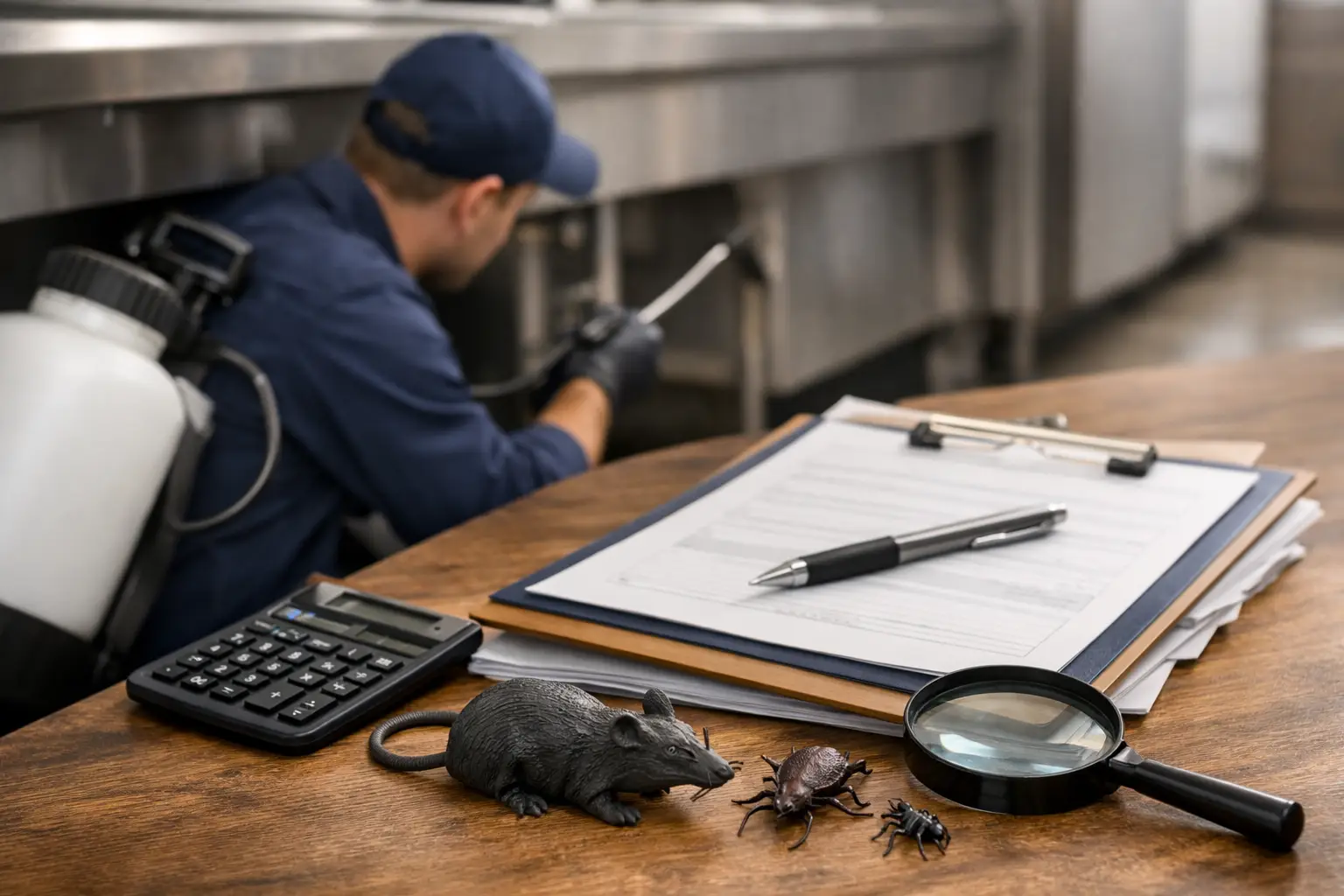
A restaurant with one mouse sighting does not get priced the same way as a warehouse with recurring rodent activity, and that is exactly where many companies go wrong. If you are figuring out how to price commercial pest control, the real job is not picking a flat number. It is building a price that reflects risk, labor, compliance pressure, and the level of protection the client actually needs.
Commercial pest control pricing has to work for both sides. The customer wants predictable costs and fast results. The service provider needs enough margin to inspect properly, treat safely, return when needed, and prevent the problem from coming back. Price too low, and the work gets rushed. Price too high without clear justification, and the customer keeps shopping.
How to price commercial pest control without guessing
The strongest pricing model starts with the property, not the pest. Commercial buildings vary too much for one-size-fits-all pricing. A medical office, apartment complex, food plant, retail store, and school all carry different exposure levels, service expectations, and reporting needs.
Start with an inspection whenever possible. That first look tells you what the customer is really buying. They may think they need a simple spray service, but the actual need could include rodent exclusion, sanitation recommendations, monitoring stations, documentation for audits, or follow-up visits after hours. If you skip that step, you are not pricing the job. You are guessing at it.
A practical price should account for five things: the type of facility, the size of the site, the pest pressure, the service frequency, and the amount of labor involved. Those five factors shape nearly every commercial account.
Facility type affects the risk and the expectation
Not all commercial clients create the same level of liability. Food service, grocery, hospitality, healthcare, and multi-unit housing usually require tighter control and faster response than a low-traffic office. In a restaurant, one cockroach complaint can damage reputation and trigger inspection issues. In a warehouse, the bigger concern may be long-term rodent activity around loading docks and stored goods.
That means high-sensitivity sites should be priced with more inspection time, more frequent visits, and more detailed reporting. Lower-risk locations can often be priced on a lighter service schedule unless active infestation is found.
Size matters, but not in a simple way
Square footage matters, but it should never be your only pricing metric. Ten thousand square feet of open office space is easier to service than ten thousand square feet of a cluttered kitchen, shared tenant corridors, storage rooms, and garbage handling areas.
Use size as a baseline for labor and material estimates, then adjust based on layout complexity. Multiple entry points, false ceilings, floor drains, compact utility rooms, and exterior dumpster zones all add time. If technicians need longer on site to inspect and treat correctly, the price has to reflect that.
Pest activity changes the price more than customer perception
Some commercial clients call early, when they have only seen signs of activity. Others wait until the problem is affecting staff, tenants, or customers. Those two situations should not be priced the same.
An active cockroach infestation in a restaurant kitchen requires a different scope than preventive service for an office building. Rodent droppings in a retail stockroom may call for trapping, baiting, sealing recommendations, and follow-up monitoring. Bed bug complaints in hospitality or housing settings often involve room-by-room inspection, repeat visits, and tighter communication.
That is why commercial pricing usually works best in tiers. One tier covers preventive service, another covers active control, and a higher tier covers severe or recurring infestations. This keeps pricing transparent and gives the customer a reason for the difference.
The two pricing models most companies use
Most commercial pest control accounts are priced either as a one-time corrective service or as a recurring service agreement. In practice, many accounts need both. There may be an initial cleanout or knockdown phase, followed by ongoing maintenance.
A one-time price makes sense when the problem is limited and the client does not need regular monitoring. This is more common for a small office, a vacant unit, or a single issue that can be handled with a defined scope. The risk is that some customers treat one-time service as a permanent fix when the site conditions still support pest activity.
Recurring pricing is usually the better fit for restaurants, property managers, warehouses, healthcare sites, and multi-tenant buildings. It spreads the cost into a predictable monthly or quarterly amount and allows regular inspection, documentation, and prevention. For the provider, it creates a stable account instead of repeated emergency calls.
How to structure recurring pricing
If you want recurring pricing to hold up, set it in two parts. First, price the initial service based on current conditions. Then price the ongoing service based on the effort required to keep the property protected.
That distinction matters. The first visit may involve more treatment time, more product, more sanitation guidance, and more problem-solving. The ongoing plan may be lighter, but it still needs enough value to cover inspections, monitoring devices, service reports, callback risk, and travel.
This also helps avoid underpricing difficult sites. A common mistake is rolling a heavy initial cleanout into a low monthly fee just to win the account. That may look competitive up front, but it becomes unprofitable fast if the site needs repeated attention.
What should be included in the price
Commercial clients do not only pay for pest removal. They are paying for protection, documentation, and response. If your price does not include those expectations, the account can become difficult quickly.
At a minimum, define whether the price includes inspection, treatment materials, monitoring devices, follow-up visits, and service documentation. If the account involves sensitive environments, note whether reporting for compliance or audit readiness is part of the package. After-hours service, emergency response, and exclusion work should usually be priced separately unless clearly built into the agreement.
This is especially important for businesses that need a licensed, reliable provider with eco-friendly options. Safer treatment methods, reduced-risk products, and customized plans often add value, but customers need to understand what they are paying for. Clear scope prevents price objections later.
Don’t ignore callback risk
One of the biggest hidden costs in commercial pest control is the callback. If you price the account as though every visit goes perfectly and no one calls between appointments, your margin will likely disappear.
Build a realistic buffer into the price for communication, minor follow-ups, technician scheduling, and seasonal changes in activity. Mosquitoes, stinging insects, rodents, and ants can all shift with weather and building conditions. A low price that cannot absorb normal service variation is not affordable. It is unstable.
How to calculate a workable price
A simple method works well. Estimate your labor time, materials, travel, overhead, and desired profit margin. Then test that number against the risk level of the account.
Labor should include more than treatment time. Count inspection, setup, reporting, customer communication, driving, and any wait time involved in accessing the site. Materials include not just products applied, but traps, bait stations, replacement monitors, and protective equipment. Overhead covers licensing, insurance, vehicles, admin time, and all the costs that keep the business operating.
Once you have your base cost, apply a margin that supports quality service. Commercial accounts often look attractive because of volume, but high-volume low-margin work can turn into a problem if the site is demanding. You need enough room to respond quickly, especially when the client expects urgent service.
Then pressure-test the number. Ask whether the price still works if the first month is heavier than expected. Ask whether the account remains profitable if there are extra communications, one emergency visit, or more documentation than planned. If the answer is no, the price is too low.
How to present the price so customers say yes
Commercial buyers want clarity. They do not want a mystery number with no explanation. The strongest proposals explain why the service level fits the property and what the client gets in return.
Keep it practical. Show the problem level, the recommended frequency, and the reason behind it. If a food business needs monthly service instead of quarterly, say so plainly. If a property manager needs recurring rodent monitoring because of tenant turnover and shared walls, explain that in business terms.
This is also where local experience matters. A company working across places like Toronto, Whitby, or Scarborough will often see how building age, density, garbage storage, and seasonal pest pressure change the service plan. Mentioning that kind of practical knowledge can help justify a fair price without sounding salesy.
The real goal is not the cheapest number
When customers search for pricing, many are trying to avoid overpaying. That is reasonable. But the better question is whether the price matches the risk and the results. A cheap commercial pest control plan that misses entry points, skips follow-up, or leaves staff dealing with repeat sightings is usually more expensive in the long run.
The best commercial pricing is clear, defensible, and built around prevention as much as treatment. That gives the client confidence and gives the provider room to do the work properly. If you are pricing carefully, with inspection-driven scope and honest margins, you are not just selling a service call. You are helping protect the business from disruption before the next complaint, failed inspection, or damaged reputation lands on someone’s desk.

