
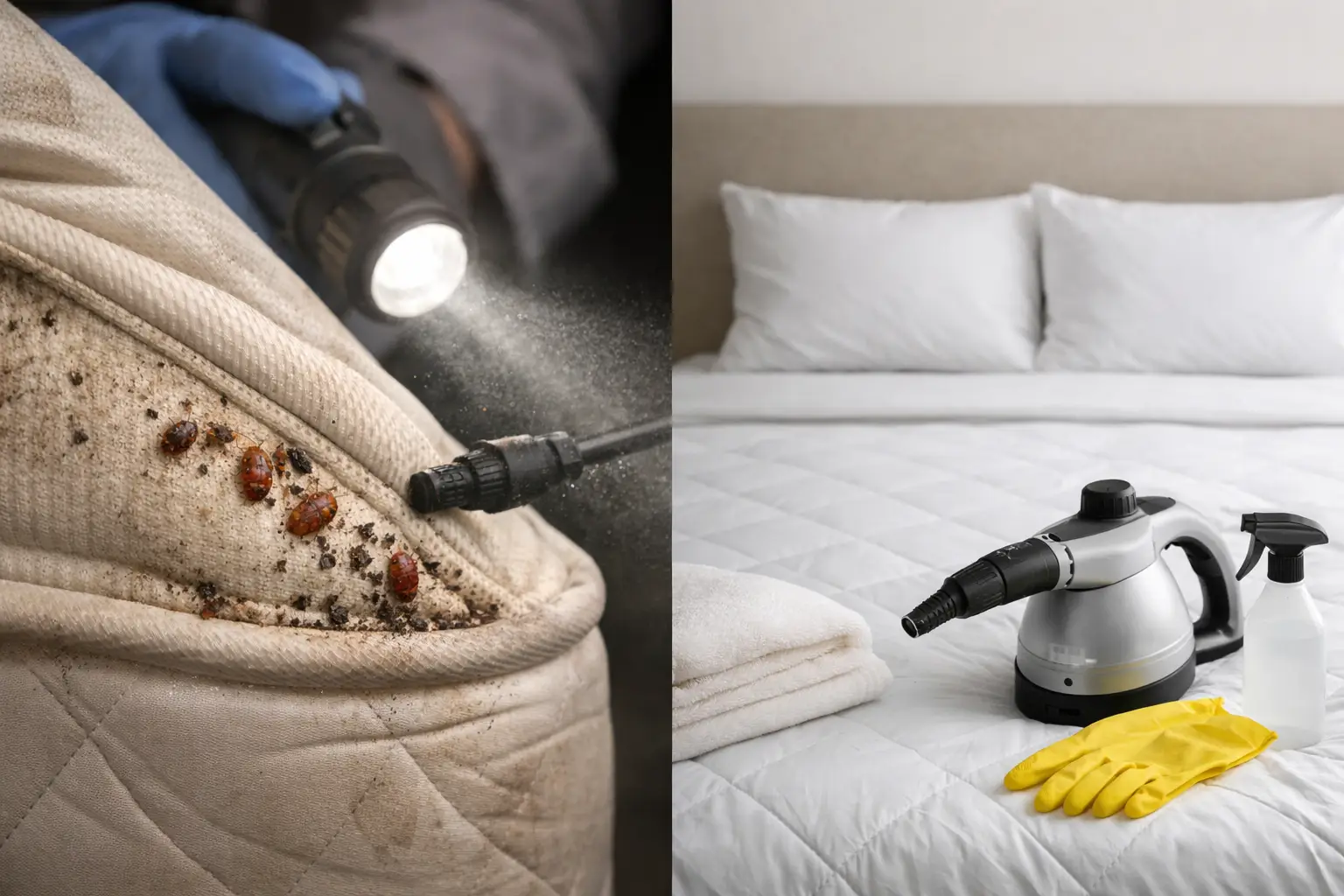
Finding a live bed bug along a mattress seam changes the way you look at every sheet, sofa cushion, and jacket on the floor. Knowing what bed bug treatment before and after should look like can make the process far less stressful. Effective control is not just about spraying a room once. It starts with a detailed inspection, requires careful preparation, and often includes follow-up service to stop newly hatched bugs before they can reproduce.
For homeowners, tenants, property managers, and businesses, the goal is simple: restore a clean, safe space and prevent the infestation from returning. Here is what a professional bed bug treatment process typically involves and what results you can realistically expect.
Bed Bug Treatment Before and After: The Real Difference
Before treatment, bed bugs can make a property feel impossible to manage. People may wake with itchy bites, notice tiny rust-colored marks on bedding, or find shed skins and black spotting around the bed frame. In a larger infestation, bugs may also be found in upholstered furniture, baseboards, nightstands, luggage, electrical outlets, and cracks near sleeping areas.
After a successful professional treatment plan, active bed bug activity declines and eventually stops. New bites should no longer appear, live bugs should not be found during monitoring, and common hiding places should remain clear during follow-up inspection. However, the change is not always immediate. Bed bugs are skilled at hiding, and eggs can hatch after an initial service depending on the treatment method and infestation level.
That is why reliable bed bug control focuses on elimination and verification, not a quick visual improvement alone.
Before Treatment: Inspection and Preparation Matter
A professional inspection determines where bed bugs are hiding, how widespread the activity is, and which treatment approach is appropriate. A licensed technician may inspect mattresses, box springs, bed frames, surrounding furniture, closets, upholstered seating, and adjacent rooms. In apartments, condos, hotels, and multi-unit buildings, nearby units may also need attention because bed bugs can travel through wall voids, hallways, and shared spaces.
The preparation instructions you receive are part of the treatment, not an inconvenience. They make hiding places accessible and reduce the chance that bed bugs are moved to another area of the property.
Typically, residents are asked to wash and dry bedding, clothing, and soft items from affected areas using high heat, then seal clean items in bags or containers until the treatment is complete. Clutter should be reduced, especially around beds and furniture, but belongings should not be carried from room to room. Moving items without a plan can spread bed bugs into previously unaffected areas.
Vacuuming mattress seams, bed frames, carpets, and baseboards can help remove some bugs and eggs. The vacuum contents should be sealed and disposed of outside right away. Mattress and box spring encasements may also be recommended to trap any remaining bugs inside and make future inspections easier.
What Not to Do Before Service
Do not throw away a mattress or furniture unless a technician advises it. Discarded items can spread bed bugs through hallways, elevators, or curbside pickup areas. If an item must be removed, it should be wrapped or clearly marked so no one brings it home.
Avoid using foggers, bug bombs, alcohol sprays, or random store-bought products before your appointment. These methods can push bed bugs deeper into walls and furniture, create safety concerns, and make professional treatment less effective. They rarely solve an established infestation on their own.
During Treatment: Safe, Targeted Control
Professional bed bug treatment is selected based on the property, the infestation level, and the areas affected. A licensed pest control technician may use targeted applications to cracks, seams, bed frames, baseboards, furniture joints, and other known hiding spots. Some situations may call for heat treatment, steam, vacuuming, monitoring tools, or a combination of methods.
The best option depends on the site. Heat can treat items and spaces quickly when performed correctly, but the room must reach and maintain the necessary temperature throughout. Targeted residual products can continue working after service, but they may require follow-up visits while eggs hatch. A professional will explain the re-entry instructions, preparation requirements, and any specific precautions for children, pets, or sensitive areas.
For commercial properties, discretion and documentation matter as much as treatment. Hotels, offices, rental units, and care facilities need a plan that addresses the affected area promptly while limiting disruption to staff, residents, or guests.
What to Expect After Bed Bug Treatment
The first few days after treatment can be unsettling because you may still see bed bugs. This does not automatically mean treatment failed. Some bugs may leave their hiding places after a targeted application, while eggs that were not directly affected may hatch later.
You may also continue to itch for days or weeks after the last bite. Skin reactions do not prove there are still active bed bugs. Keep a simple record of new bites, sightings, or suspicious marks, but do not rely on bites alone. Some people do not react to bed bug bites at all, while others can develop delayed reactions.
The First Two Weeks
Follow all post-treatment instructions closely. Do not deep-clean treated cracks, baseboards, bed frames, or furniture joints unless your technician says it is safe to do so. Washing sheets and normal household cleaning are usually fine when handled according to your service instructions, but removing a treatment from key hiding areas too soon can reduce its effectiveness.
Continue sleeping in the treated bed unless advised otherwise. Moving to a couch or guest room can give bed bugs a new food source and expand the infestation. Keep beds slightly away from walls, avoid letting bedding touch the floor, and reduce items stored under the bed.
Follow-Up Visits and Confirmation
Follow-up inspection is often the point where the before-and-after difference becomes clear. The technician checks for live activity, newly hatched nymphs, fresh spotting, and signs that bed bugs have spread beyond the original area. If activity remains, additional targeted treatment may be necessary.
A small, localized infestation may need fewer visits than a long-standing infestation affecting several rooms. Multi-unit properties may also require coordination with management and neighboring units. Honest reporting and consistent preparation help resolve the issue faster.
Preventing Bed Bugs From Coming Back
Bed bugs are often brought indoors in luggage, secondhand furniture, clothing, deliveries, or personal belongings. They are not a sign of poor housekeeping. Clean homes, upscale hotels, apartments, and offices can all experience bed bug problems.
To reduce the risk of reinfestation, inspect hotel beds and luggage racks while traveling, keep suitcases off beds and floors, and dry travel clothing on high heat when you return home. Inspect secondhand beds, couches, upholstered chairs, and bed frames before bringing them inside. In apartments and condos, report suspected activity early rather than waiting for the issue to grow.
For property managers, quick tenant communication and professional inspection are especially important. One untreated unit can create repeated problems for an entire floor or building.
Common Questions About Bed Bug Treatment
How long does bed bug treatment take to work?
It depends on the treatment method, infestation size, and preparation quality. Some activity may stop quickly, but complete control can take several weeks when follow-up treatment is needed for newly hatched bugs. A professional inspection is the best way to confirm progress.
Can I stay in my home after treatment?
Usually, residents can return after the technician’s stated re-entry period. Follow the instructions exactly, especially if there are children, pets, or anyone with respiratory sensitivities in the home.
Do I need to treat every room?
Not always. Treatment should be based on evidence found during inspection. However, bed bugs can spread beyond a single bedroom, so nearby rooms and shared spaces may need inspection and monitoring even when no activity is immediately visible.
If you suspect bed bugs in your Toronto-area home, rental unit, or business, act before the problem spreads. Quality Pest Control GTA provides licensed, practical bed bug service designed to remove active infestations and help protect your space from a frustrating return.

