
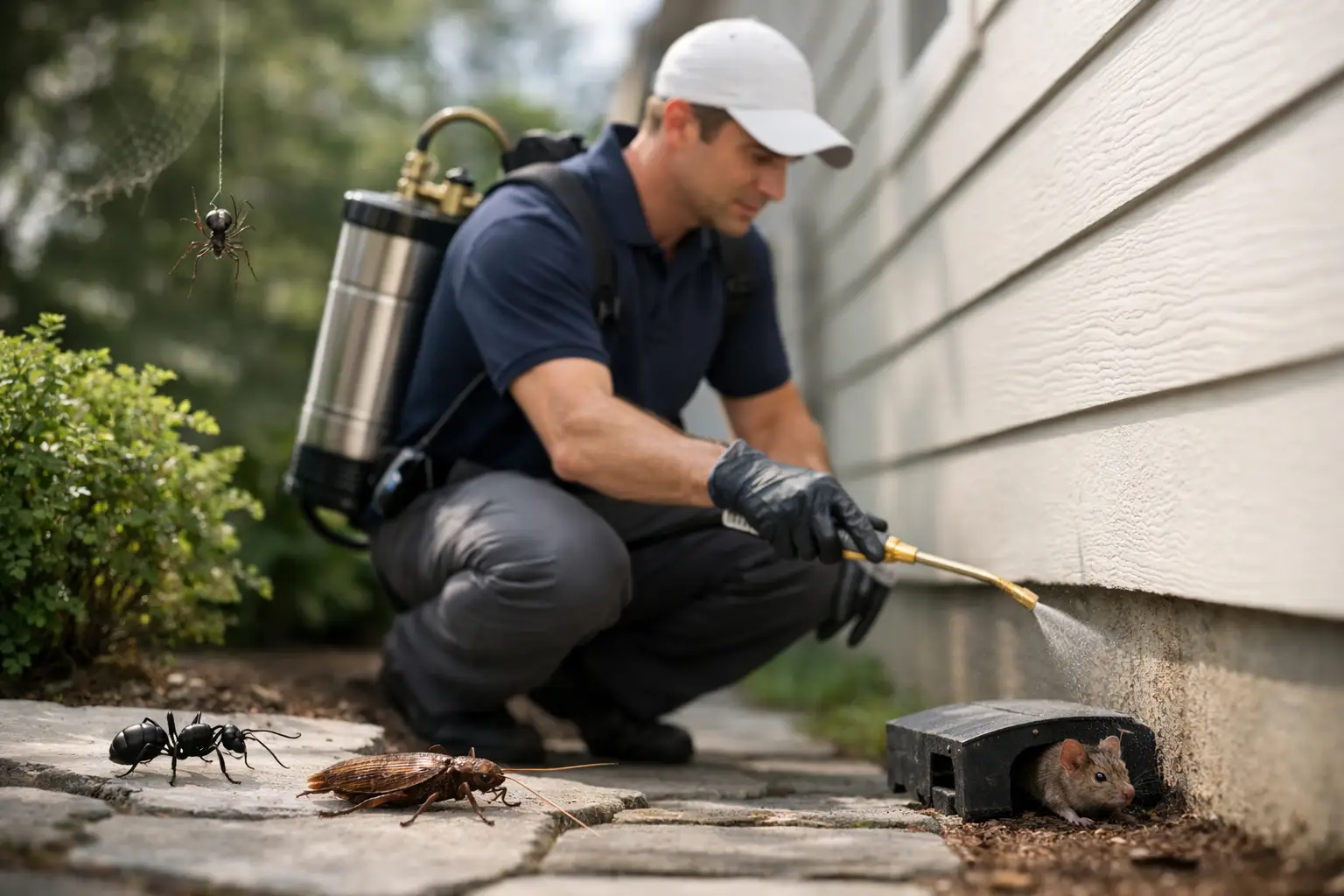
A mouse scratching in the wall at night, cockroaches near the kitchen, or a wasp nest over a doorway can turn a normal day into an urgent problem. Effective pest control is not just about removing what you can see. It means identifying the source, treating the active infestation safely, and closing the conditions that allow pests to return.
For homeowners, tenants, property managers, and business owners across the GTA, speed matters. So does getting a lasting result. A professional inspection and targeted treatment can protect your food, property, sleep, reputation, and peace of mind without relying on guesswork or temporary fixes.
When Pest Control Should Not Wait
Some pest problems grow quietly. Others become serious almost overnight. Mice and rats can reproduce quickly, contaminate food, chew wiring, and damage insulation. Bed bugs disrupt sleep and spread from room to room or between units. Cockroaches can contaminate kitchens and storage areas, while carpenter ants may point to moisture-damaged wood.
Wildlife issues also require quick action. Raccoons, squirrels, skunks, and birds may enter attics, roofs, sheds, or vents, creating noise, odors, damage, and sanitation concerns. Wasps and hornets can become a safety risk when nests are close to entrances, decks, playgrounds, or work areas.
Call for expert help when you see repeated pest activity, droppings, nests, bite marks, damage, unusual smells, or insects appearing during daylight hours. A single insect does not always mean a major infestation. However, recurring sightings usually mean there is a food source, entry point, nesting area, or moisture issue that needs attention.
Signs You May Have an Infestation
Pests rarely announce themselves clearly, but they leave evidence behind. Mice and rats often leave small droppings, gnaw marks, shredded nesting material, greasy rub marks, and scratching sounds in ceilings or walls. Cockroaches may leave pepper-like droppings, shed skins, egg cases, or a musty odor in kitchens and bathrooms.
Bed bug signs include itchy bites, small rust-colored spots on sheets, dark marks along mattress seams, and live bugs around beds, couches, or baseboards. Fleas can cause bites on people and pets, especially around the ankles. Ant trails, sawdust-like frass near wood, and winged insects indoors can signal an ant problem that needs proper identification.
Outside, watch for chewed soffits, lifted roof vents, tracks, disturbed garbage, animal droppings, and repeated movement around the roofline. Wildlife may be entering an attic through an opening that looks small from the ground but is large enough for a squirrel or raccoon to use.
Why Store-Bought Solutions Often Fall Short
Retail sprays, traps, and bait products can be useful for a very minor, isolated issue. For example, a properly placed trap may catch a mouse that wandered into a garage, and a small ant trail may improve when food spills are cleaned quickly. The problem is that visible pests are often only part of the infestation.
Spraying the insects you see may not reach a hidden cockroach harboring area, bed bug population, ant colony, or rodent nesting site. Some products can also scatter pests into new areas, making the problem harder to track. Incorrect use around children, pets, food preparation surfaces, or commercial spaces may create unnecessary risks.
Professional pest control starts with identifying the species and the conditions supporting it. Treatment is then matched to the pest, the property layout, the level of activity, and the people using the space. That approach is more precise, safer, and far more likely to prevent repeated infestations.
What Professional Pest Control Involves
A reliable service should begin with a detailed inspection. A licensed technician checks active pest areas, potential entry points, food and water sources, nesting spaces, and signs of movement. In a home, this may include basements, kitchens, garages, attics, utility rooms, exterior gaps, and rooflines. In a business, inspections may also focus on receiving areas, storage rooms, waste handling, employee spaces, and customer-facing areas.
The right treatment depends on the pest. Rodent control may involve strategically placed traps, tamper-resistant bait stations where appropriate, and exclusion work to seal access points. Bed bug treatment can include targeted applications, detailed preparation guidance, and follow-up inspections. Cockroach treatments often combine precise bait placement, crack-and-crevice work, sanitation recommendations, and monitoring.
For stinging insects, safe nest removal is usually the priority. Wildlife removal should focus on humane exclusion, one-way doors when appropriate, and repairs that prevent re-entry after animals have left. The goal is never simply to push the issue elsewhere. It is to resolve it safely and protect the property afterward.
Quality Pest Control GTA uses licensed, eco-friendly methods selected for effective results and responsible application. Safe treatment does not mean a one-size-fits-all product. It means using the least disruptive effective method while following proper handling procedures and clear instructions for occupants.
Prevention Is the Part That Protects Your Property
Treatment removes the immediate pressure. Prevention keeps a small issue from becoming the next emergency. Every property is different, but the most useful prevention habits are usually straightforward:
- Store food in sealed containers and clean crumbs, grease, and spills promptly.
- Repair leaking pipes, improve drainage, and reduce damp areas under sinks or in basements.
- Seal gaps around pipes, doors, windows, vents, foundations, and utility lines.
- Keep garbage containers closed and move clutter away from walls, garages, and storage areas.
- Trim branches away from roofs and keep firewood, cardboard, and debris away from the building.
For apartment buildings, restaurants, offices, and retail spaces, prevention also depends on consistent routines. A clean break room, regular waste removal, organized storage, and prompt reporting of sightings can make a major difference. Property managers benefit from documented inspections and clear communication with tenants, especially when pests can move between units.
Pest Control for Homes and Businesses Requires Different Planning
Residential service often centers on family safety, pet safety, privacy, and protecting the structure of the home. A technician may recommend preparing a kitchen, laundering bedding, moving stored items, or keeping pets away from treated areas for a specified period. Clear instructions matter because preparation can directly affect treatment success.
Commercial pest control has additional pressures. Food businesses need clean, compliant operations. Offices and retail locations want discreet service that does not interrupt customers or staff. Rental properties require coordinated access, tenant education, and prevention across shared walls and common areas.
There is no single treatment schedule that fits every location. A one-time wasp nest removal may solve the issue quickly, while cockroaches, rodents, or bed bugs may require follow-up service. The honest answer depends on pest activity, property conditions, neighboring units, sanitation, and whether entry points can be corrected.
Pest Control FAQs
How quickly can an infestation be treated?
Many active pest issues can be inspected and treated promptly, especially when there is an urgent safety or sanitation concern. Complete control may take longer for pests that reproduce rapidly or remain hidden, such as bed bugs, cockroaches, or rodents. Follow-up service is sometimes necessary to confirm activity has stopped.
Is pest control safe for children and pets?
Professional treatments are designed to be applied responsibly and with safety in mind. Tell the technician about children, pets, allergies, aquariums, and sensitive areas before treatment. You will receive instructions about preparation and when it is safe to return to or use treated spaces.
Can I prevent mice from coming back after removal?
Yes, but removal and exclusion must work together. Sealing entry points, reducing food access, managing clutter, and addressing gaps around utilities or foundations are essential. If one access point remains open, new rodents may enter even after the original activity is gone.
Do I need pest control if I only saw one bug?
Not always. One insect may have entered from outside. Repeated sightings, daytime cockroach activity, bites, droppings, damage, or multiple pests in different rooms are stronger reasons to schedule an inspection. Early action is usually more affordable than waiting for a larger infestation.
If pests are affecting your home, tenants, customers, or staff, do not wait for the problem to become harder to control. A timely inspection, a clear treatment plan, and practical prevention steps can restore a clean, safe space and help keep it that way.

