
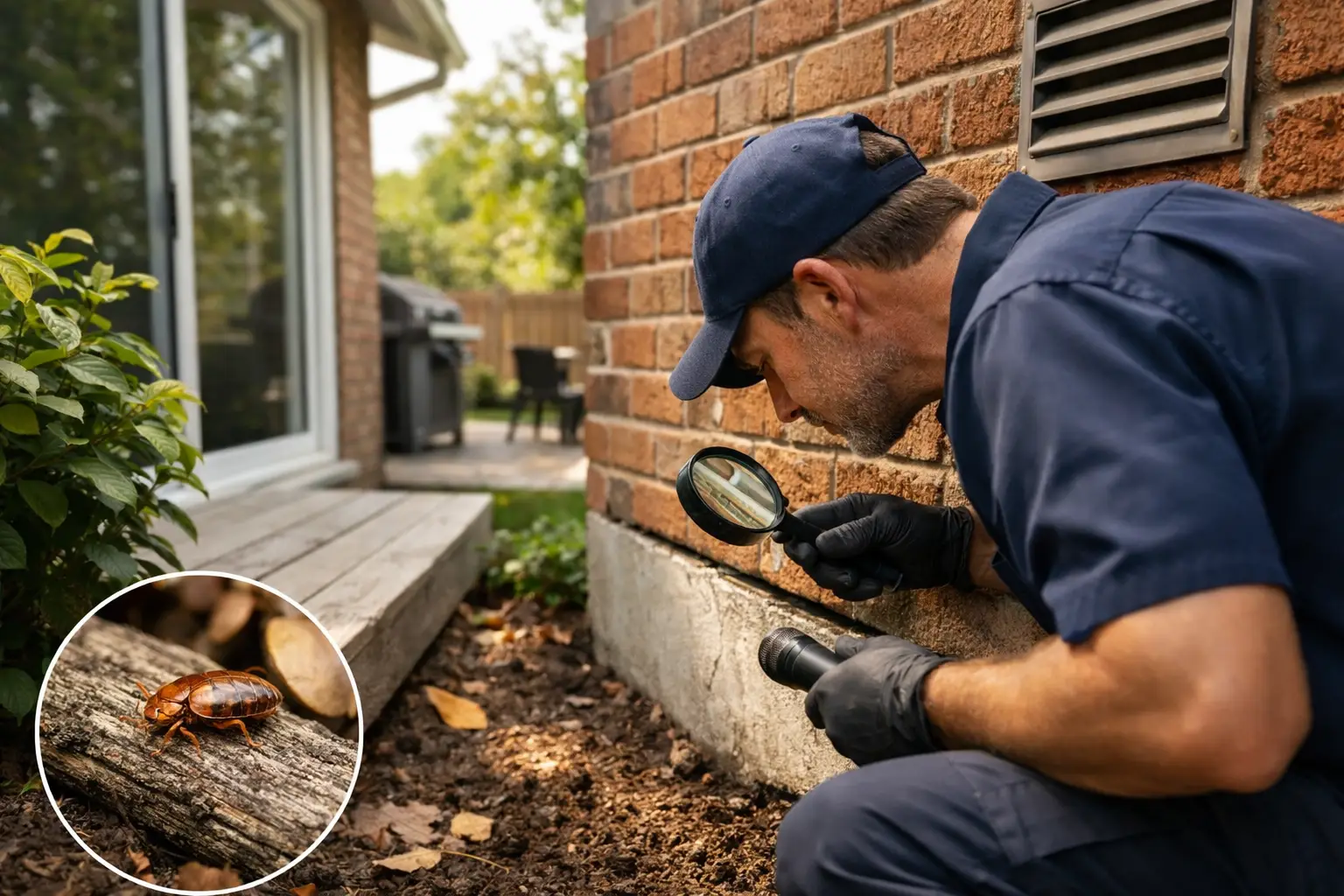
A bed bug sighting near a patio, porch, storage area, or exterior wall can be unsettling. Searches for bedbugs exterior in Etobicoke often start after someone finds a small brown insect outdoors and worries it has come from their home. The good news is that bed bugs are not outdoor pests in the same way ants, mosquitoes, or spiders are. They prefer to stay close to people indoors, where they can feed and hide in protected cracks.
Still, an insect found outside should not be ignored, especially if your household is dealing with bites, unexplained stains on bedding, or recent travel. A careful inspection can help separate a true bed bug concern from a common outdoor insect and identify whether bed bugs may be moving through a shared building, from a discarded item, or through a nearby entry point.
Can Bed Bugs Live Outside in Etobicoke?
Bed bugs can survive outdoors for a short period under the right conditions, but they do not build nests in lawns, garden beds, or trees. They need regular access to a human host and prefer dark, narrow hiding places near where people sleep or rest. Ontario weather is also hard on them. Heat, cold, rain, and exposure make exterior areas far less suitable than a mattress seam, baseboard, sofa, or luggage.
That said, bed bugs may be found temporarily outside after being carried there. They can hitchhike on clothing, bags, furniture, moving boxes, or used items left at the curb. In apartment and condominium buildings, they may also move between units through wall voids, utility openings, hallways, and shared laundry areas. Finding one near an exterior entrance does not prove there is an outdoor infestation, but it does justify checking indoors promptly.
Bedbugs Exterior in Etobicoke: Where They May Be Found
Exterior sightings are most often connected to human activity rather than a permanent outdoor habitat. A bed bug may turn up on a porch chair after someone sets down a bag, around a dumpster after infested furniture has been discarded, or near a moving truck during a move. Storage lockers, outdoor upholstered furniture, and enclosed porch areas can also create short-term shelter if an item has already been infested.
Focus on locations that connect directly to indoor living spaces. Check around door thresholds, window frames, exterior vents, cracks where utility lines enter the building, and items stored just outside. Do not expect to find a colony in the yard. If bed bugs are present, the main hiding area is usually indoors and close to bedrooms, living room furniture, or belongings that were recently brought inside.
In Etobicoke, multi-unit properties deserve extra attention. A tenant may see a bed bug near a hallway door or exterior garbage area because an infested item was moved through the building. Property managers should respond quickly, document the sighting, and arrange a professional inspection rather than relying on a single visual check. Fast action helps prevent the issue from spreading to neighboring units.
Signs the Problem Is Actually Indoors
A single bug outdoors can be misidentified. Small beetles, ticks, cockroach nymphs, and other insects are frequently mistaken for bed bugs. Adult bed bugs are flat, oval, reddish-brown, and approximately the size of an apple seed. They do not fly or jump.
The stronger warning signs are found inside. Look for small black or dark brown spotting on mattress seams, bed frames, box springs, headboards, baseboards, sofas, and nearby furniture. You may also see pale shed skins, tiny white eggs in protected crevices, or reddish marks on sheets. Bite reactions can occur, but bites alone cannot confirm bed bugs because skin irritation has many possible causes.
Inspect carefully without moving items from room to room. Carrying bedding, boxes, or furniture through the home can spread bed bugs into new areas. If you find a suspect insect, place it in a sealed clear container or take a clear close-up photo for identification. Avoid crushing it before it can be identified.
What to Do After Finding a Suspect Bug Outside
Start by checking the room closest to where the insect was found, then inspect bedrooms and upholstered furniture. Use a flashlight to examine seams, joints, screw holes, cracks, and the edges of carpets. Do not throw away furniture immediately. Disposing of belongings without containment can spread bed bugs through common areas and may make treatment more difficult.
Wash and dry bedding, clothing, and washable fabrics on the hottest settings the material can safely tolerate. Heat from a dryer is particularly useful for treating washable items. Place cleaned items in sealed bags or bins until the inspection and treatment plan are complete.
Avoid using outdoor insect sprays, foggers, rubbing alcohol, or random retail products around beds and entryways. These approaches can be unsafe, may not reach hiding areas, and can drive bed bugs deeper into walls or furniture. A partial treatment often creates a longer and more expensive problem.
If you rent, notify your landlord or property manager right away and follow your building’s reporting process. In a condo or apartment, treatment may require coordinated inspections of adjacent units depending on the evidence and building layout.
Professional Bed Bug Treatment That Targets the Source
Effective bed bug control is based on inspection, precise treatment, and follow-up. A licensed technician begins by confirming the pest and identifying likely harborages. This matters because an outdoor sighting may have no connection to bed bugs at all, while a small indoor infestation can be easy to miss without a systematic inspection.
Treatment methods depend on the property, infestation level, and where bed bugs are found. Professional options may include targeted residual applications in cracks and crevices, dust treatments in suitable voids, steam for certain surfaces, and detailed preparation instructions to reduce hiding places. Heat-based methods can be appropriate in some situations, but they are not automatically the best choice for every home or business.
The trade-off is preparation. Bed bug treatment works best when residents follow the technician’s instructions for laundering, decluttering, bagging items, and making furniture accessible. This takes effort, but it allows treatment to reach the places bed bugs actually hide and lowers the risk of reinfestation. Quality Pest Control GTA provides practical guidance so homeowners, tenants, and property managers know what to do before and after service.
Preventing Bed Bugs From Reaching Your Home
Exterior prevention is mostly about stopping hitchhikers before they settle indoors. Inspect used furniture closely before bringing it home, and avoid picking up mattresses, sofas, or upholstered items left at the curb. When returning from travel, unpack on a hard surface, inspect luggage seams, and dry washable clothing before storing it away.
Keep entry areas and storage spaces organized so an inspection is easier if a concern arises. Seal obvious gaps around utility penetrations, doors, and windows where practical. These repairs are helpful for many pests, although sealing alone will not eliminate an established bed bug infestation.
For businesses, staff areas, waiting rooms, hotels, rental properties, and secondhand retail operations benefit from clear reporting procedures. Employees should know to report suspicious insects or discarded upholstered items promptly rather than moving them through the building.
Frequently Asked Questions
Are bed bugs attracted to exterior lights?
No. Bed bugs are not drawn to porch lights like many flying insects. If one is found near a light or exterior door, it was likely carried there by a person, bag, piece of furniture, or another object.
Can bed bugs come into a home from the yard?
It is unlikely. Bed bugs do not normally travel across yards looking for homes. Their usual route is hitchhiking on belongings or moving through connected indoor spaces in multi-unit buildings.
Should I treat my yard if I see a bed bug outside?
Usually, no. Yard treatment will not solve an indoor bed bug issue and may expose beneficial insects to unnecessary products. The priority is identifying the insect and inspecting the home, unit, or potentially infested item.
When should I call a professional?
Call for a licensed inspection if you find a confirmed or suspected bed bug, notice spotting on bedding or furniture, wake with recurring unexplained bites, or manage a property where tenants have reported a concern. Early confirmation is more affordable and far less disruptive than waiting for the problem to spread.
A bug outside does not always mean your home is infested, but it is a useful reason to look closely before a small concern becomes a stressful one. Keep suspect items contained, avoid do-it-yourself sprays, and arrange prompt professional help when the signs point indoors.

