
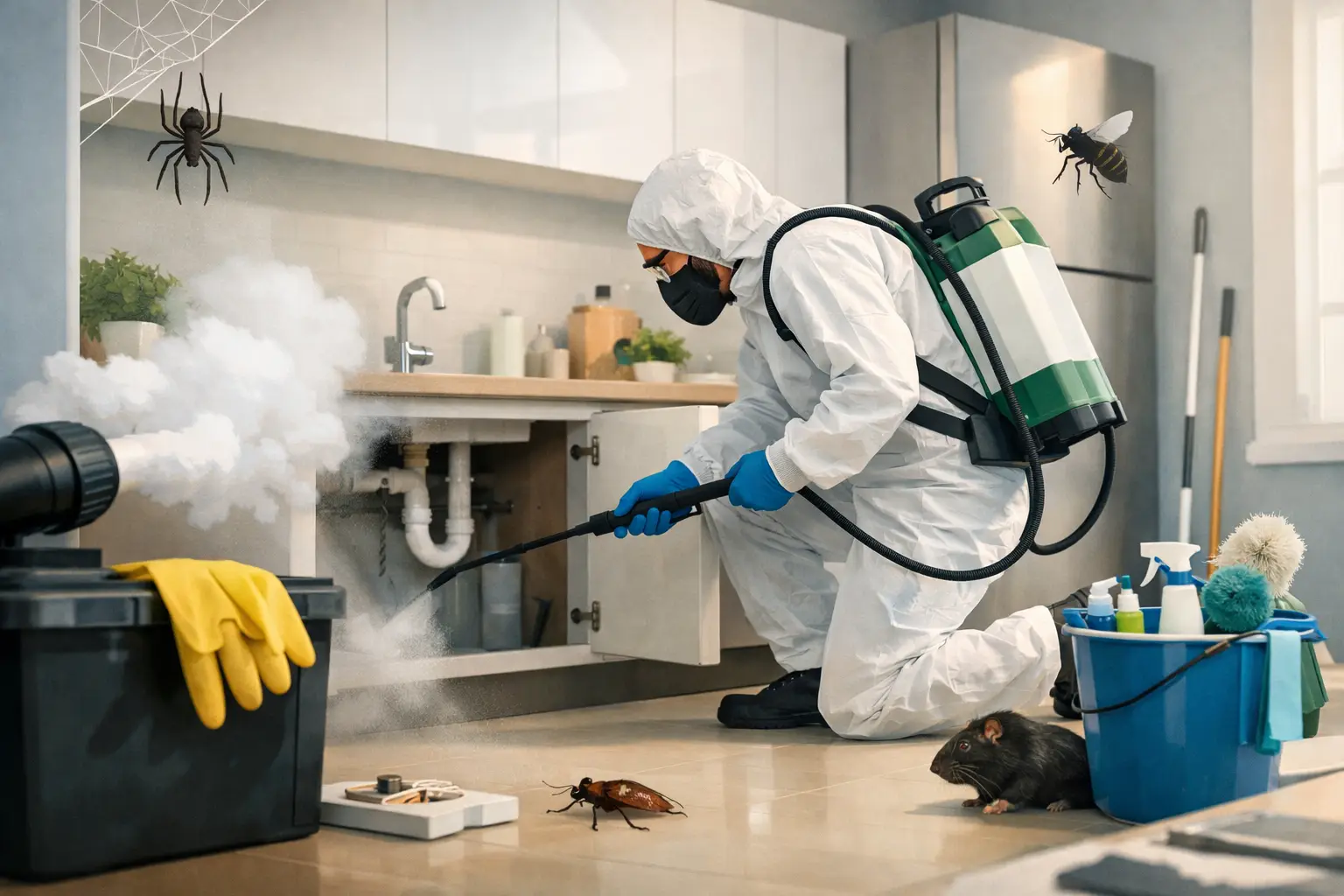
A few traps in the basement or a quick spray in the kitchen can help with minor pest issues. But when an infestation has been active for a while, treatment alone usually is not enough. If you have been asking what is a pest control clean out, the short answer is this: it is the removal of pest waste, nesting material, contaminated debris, and odor sources after or during pest treatment so the property can be made safer, cleaner, and less likely to attract pests again.
For homeowners, tenants, and business owners, this matters more than most people realize. Dead pests, droppings, urine trails, shredded insulation, and food contamination do not just look bad. They can keep odors in place, create health concerns, and invite a fresh infestation if they are not handled properly.
What Is a Pest Control Clean Out and Why Is It Needed?
A pest control clean out is a targeted cleanup process used after pests have occupied part of a home or commercial space. It usually follows an active infestation involving rodents, cockroaches, wildlife, or other pests that leave behind waste or damaged material.
The goal is not regular housekeeping. A clean out focuses on pest-related contamination. That can include removing droppings from attics or crawl spaces, clearing out nests behind walls, disposing of soiled insulation, cleaning contaminated storage areas, and treating odor sources that continue to draw pests back.
This service is often needed after mice or rats have been living in wall voids, basements, garages, or attics. It can also be necessary after raccoons or squirrels have nested in an attic, or after a heavy cockroach infestation in a kitchen, restaurant, or apartment unit. In these cases, the pests themselves are only part of the problem. The mess they leave behind can continue causing trouble long after the initial treatment.
What a Pest Control Clean Out Usually Includes
The exact scope depends on the pest, the level of contamination, and the part of the building affected. In a light case, the work may be limited to removing droppings and disinfecting the area. In a severe case, it can involve insulation removal, debris disposal, sanitation treatment, odor control, and recommendations for repairs.
A professional clean out often starts with an inspection. That helps identify where pests nested, where waste has collected, and whether there is hidden contamination under insulation, behind stored items, or around entry points.
From there, the clean out may include vacuuming and removal of droppings, nests, and carcasses; bagging and safe disposal of contaminated materials; disinfecting affected surfaces; deodorizing the space; and flagging damaged areas that need sealing or restoration. If insulation has been heavily soiled by rodents or wildlife, partial or full removal may also be necessary.
This is one reason professional service is often the safer choice. Pest waste is not something most property owners should disturb casually, especially in enclosed areas with poor ventilation.
When a Clean Out Becomes Necessary
Not every pest problem needs a full clean out. If you catch a minor ant issue early or deal with a few wasps outside, cleanup may be simple. A clean out becomes much more relevant when pests have been present long enough to leave contamination behind.
There are a few common signs. A strong ammonia-like smell in the attic or basement often points to rodent urine. Visible droppings in cabinets, along baseboards, or near stored boxes are another warning sign. Staining around insulation, greasy rub marks on walls, insect debris, egg casings, and damaged nesting material also suggest that simple extermination will not fully solve the issue.
Businesses may need clean outs even faster than homeowners do. In food-related spaces, rental units, warehouses, and offices, pest waste can create sanitation issues, tenant complaints, and compliance problems. In those situations, removing the contamination is part of getting the property back to a usable standard.
Why Treatment Alone Is Not Always Enough
Many people assume that once the pests are gone, the problem is over. That is understandable, but it is not always true.
Rodents leave scent trails through urine and body oils. Roaches leave allergens, shed skins, and fecal spotting in hidden areas. Wildlife can flatten insulation, leave parasites behind, and create ongoing odors. If that material stays in place, the property can still smell contaminated, feel unsafe, and remain attractive to future pests.
There is also the issue of hidden damage. A pest control clean out often reveals problems you could not see before, such as chewed wiring, ruined insulation, moisture problems, or gaps around vents and rooflines. That makes the service part cleanup, part reset. It gives you a clearer picture of what needs to be fixed to prevent the issue from repeating.
Health and Safety Concerns
One reason people search what is a pest control clean out is because they are worried about health risks. That concern is justified.
Rodent droppings and urine can contaminate surfaces and stir particles into the air when disturbed. Cockroach debris can worsen indoor air quality and trigger allergies. Wildlife waste in attics can introduce bacteria, parasites, and strong odors that seep into living spaces.
That does not mean every contaminated area is a major emergency, but it does mean cleanup should be handled carefully. Sweeping or vacuuming pest waste with regular household tools can spread particles rather than contain them. Proper protective equipment, containment methods, and disposal procedures matter.
For homes with children, pets, seniors, or people with asthma, a thorough clean out becomes even more valuable. It helps restore the area, reduces contamination, and supports a safer indoor environment.
The Difference Between a Clean Out and Standard Cleaning
A pest control clean out is not the same as general cleaning or janitorial work. Standard cleaning focuses on visible dirt, dust, and surface-level hygiene. A pest clean out deals with biological contamination and damaged materials caused by pests.
That difference matters because the cleanup process has to account for where pests hide and what they leave behind. For example, an attic with rodent activity may need contaminated insulation removed from hard-to-reach corners, droppings collected safely, surfaces treated, and entry points identified for sealing. A regular cleaning service is usually not set up for that kind of work.
It also matters because pest-related cleanup should connect directly with pest prevention. If the nesting debris is removed but the gaps around pipes or soffits are left open, the property is still vulnerable.
What Happens After the Clean Out
A good clean out should lead into prevention. Once the contaminated material is removed, the next step is reducing the chance of another infestation.
That may include sealing entry points, replacing insulation, improving storage practices, correcting sanitation issues, trimming vegetation near the building, or setting up monitoring and follow-up service. The right plan depends on the pest involved and how the infestation started in the first place.
For example, a rodent problem in a detached home may be tied to exterior gaps, cluttered storage, and food access in the garage. A roach issue in a multi-unit property may require a broader building-wide strategy. This is where experience matters. The cleanup is important, but the long-term result depends on fixing the conditions that let pests settle in.
Is a Pest Control Clean Out Worth It?
If the infestation was minor and caught early, maybe not. But if pests have been active for weeks or months, skipping the clean out often leaves part of the problem behind.
The value is not just appearance. It is about odor removal, sanitation, risk reduction, and preventing the same space from becoming active again. In more serious cases, it can also protect property value by addressing contamination before it spreads or causes additional damage.
For many property owners, the real benefit is peace of mind. It is one thing to know the pests have been treated. It is another to know the droppings, nesting material, and contaminated debris are gone too.
If you are dealing with a persistent infestation in an attic, basement, crawl space, kitchen, or commercial unit, asking about clean out service is a smart next step. A licensed pest control team can tell you whether simple treatment is enough or whether the property needs a deeper cleanup to fully move past the problem.
The best pest control jobs do more than remove what is crawling, scratching, or nesting today. They leave the space cleaner, safer, and harder for pests to claim again tomorrow.

