
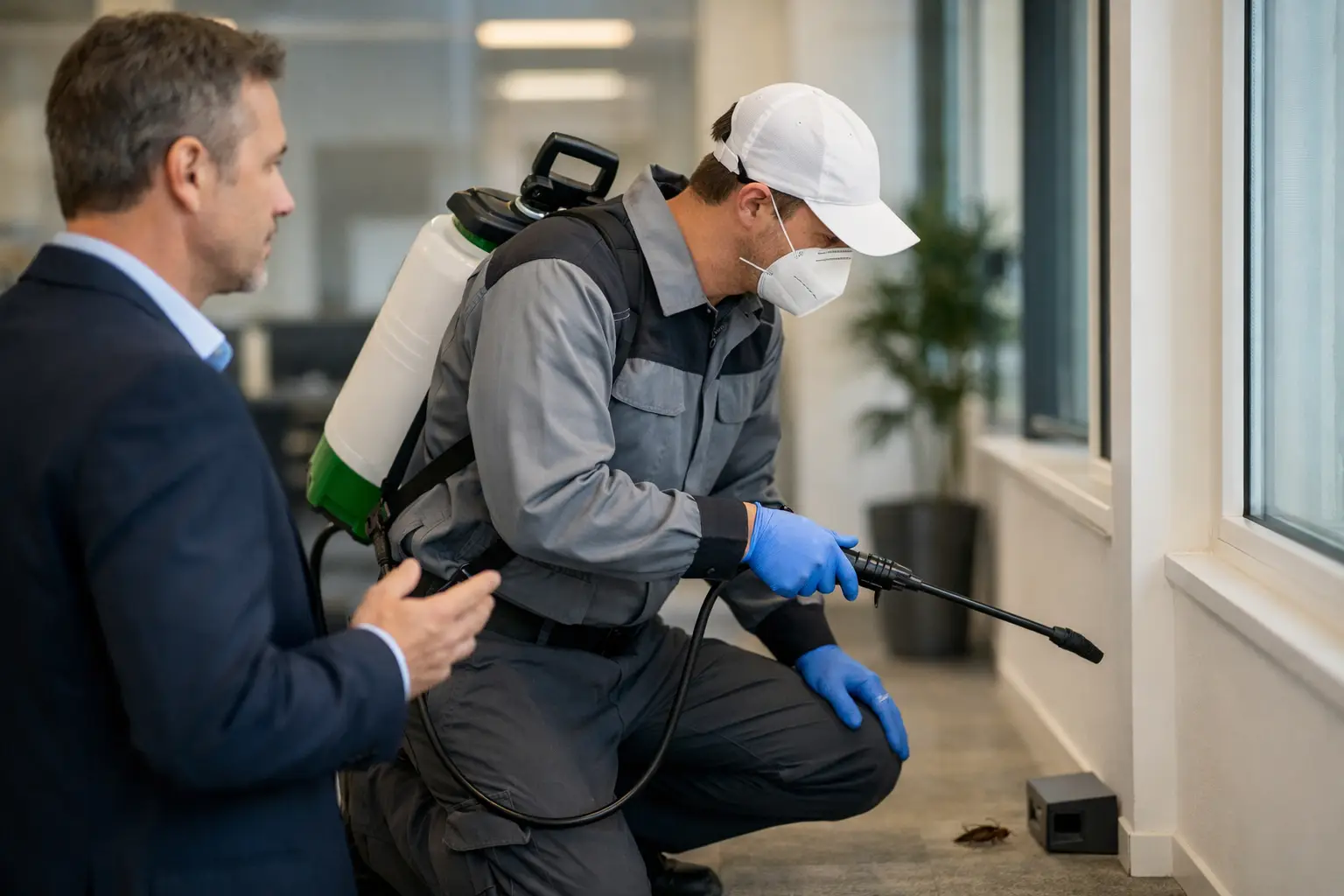
A tenant finds cockroaches in a restaurant kitchen, or a property manager gets a call about mice in a retail unit, and the same question comes up fast: are commercial landlords responsible for pest control? The short answer is sometimes, but not always. In commercial properties, pest control responsibility usually depends on the lease, the source of the infestation, and whether the problem involves shared areas or one tenant’s space.
That gray area is exactly why pest problems in commercial buildings get expensive. Delays can lead to health complaints, damaged inventory, failed inspections, and frustrated tenants. The best move is to sort out responsibility early, then act quickly before a small issue turns into a building-wide problem.
Are commercial landlords responsible for pest control in every case?
No. Unlike residential rentals, commercial leases often give landlords and tenants much more freedom to define maintenance responsibilities. That means there is no one-size-fits-all answer.
In many commercial leases, landlords are responsible for the building structure, exterior walls, roof, foundation, and common areas. Tenants are often responsible for keeping their own unit clean, sanitary, and free of conditions that attract pests. If a pest issue starts inside one unit because of food waste, poor housekeeping, clutter, or a business operation that attracts insects or rodents, the tenant may be on the hook.
If the infestation comes from a building defect, though, the picture changes. A mouse problem caused by gaps in the foundation, broken door sweeps, damaged loading dock seals, or wall openings may fall back on the landlord because the issue ties to the property’s condition. The same can apply when pests are spreading through shared plumbing lines, utility chases, ceilings, or neighboring units.
So if you are asking whether a commercial landlord is always responsible, the answer is no. If you are asking whether they can be responsible, absolutely.
What usually decides who pays
The lease is the first place to look. Commercial leases often spell out who handles routine pest control, who pays for treatment, and who is responsible for prevention. Some leases place all pest control inside the tenant’s premises on the tenant. Others require the landlord to provide base building pest management, especially in multi-tenant properties.
Still, the lease is not the only factor. The real-world facts matter. If a tenant in a shopping plaza stores food improperly and attracts rodents, that tenant may be responsible even if the landlord arranges service. If multiple units report the same issue and pests are moving through shared walls or service corridors, it is harder to pin the problem on one tenant alone.
This is where documentation matters. Inspection reports, photos, service records, sanitation notes, and contractor findings can help show whether the infestation came from tenant behavior, structural issues, or a wider property problem.
Common landlord responsibilities
Commercial landlords are often expected to address issues tied to the building itself. That can include sealing exterior entry points, repairing damaged vents, fixing drainage problems, maintaining dumpsters or waste enclosures in shared areas, and arranging treatment in lobbies, hallways, loading areas, basements, and mechanical rooms.
A landlord may also need to step in when pest activity affects multiple tenants or threatens the safe operation of the property. In those situations, waiting for tenants to solve the issue unit by unit rarely works.
Common tenant responsibilities
Tenants are usually responsible for daily conditions inside their leased space. That includes cleaning, food storage, waste handling, stock rotation, and reporting pest activity quickly. In industries like food service, grocery, warehousing, healthcare, and hospitality, the tenant’s operational practices play a major role in whether pests show up and how bad the infestation becomes.
A tenant who notices droppings, gnaw marks, flies, cockroaches, or wasp activity and says nothing for weeks can make the problem much worse. Even if the landlord ultimately shares responsibility, delay can increase treatment costs and business disruption.
Shared buildings make pest responsibility harder
Multi-unit commercial buildings create the most disputes because pests do not respect lease lines. Rodents move through wall cavities and ceiling spaces. Cockroaches travel through plumbing penetrations. Ants follow moisture and food sources from one suite to another. Birds and stinging insects nest on roofs, signs, and exterior fixtures that affect more than one occupant.
In a strip mall, one restaurant with grease buildup can trigger pest pressure for nearby retail tenants. In an office complex, mice entering through a loading dock can spread across several units before anyone notices. In those cases, assigning blame to one party is rarely the fastest or most practical solution.
The better approach is coordinated control. That means inspection of the full problem area, treatment where pests are active, and prevention work to stop re-entry. When landlords, tenants, and pest control professionals work off the same plan, infestations are easier to contain.
Health, safety, and legal exposure
Pest control in commercial properties is not just a housekeeping issue. It can become a health, safety, reputation, and compliance issue very quickly.
Restaurants, food processors, medical offices, warehouses, apartment-style mixed-use buildings, and retail businesses all face different levels of risk. Rodents can contaminate products and wiring. Cockroaches can spread bacteria and trigger complaints. Bed bugs can damage customer trust in hospitality settings. Wasps near entrances can create injury risks for staff and visitors.
When a landlord ignores known structural conditions that allow infestations to continue, they may face claims from tenants, lost rent, or disputes over habitability and maintenance obligations under the lease. When tenants ignore sanitation or fail to report pest activity, they may face their own liability, especially if their conduct caused the problem or made it worse.
That is why smart property owners and managers do not treat pest control as a one-time service call. They treat it as part of risk management.
What landlords should do when pests show up
If you own or manage commercial property, speed matters. First, review the lease and confirm the maintenance language. Then get a professional inspection instead of guessing. The source of the infestation is what determines the right fix, and guessing often leads to wasted time and repeat treatments.
Next, document everything. Keep complaint records, inspection findings, treatment reports, and repair history. If structural repairs are needed, schedule them quickly. Killing pests without sealing the entry points usually leads to the same problem returning.
Communication matters too. Tenants should know what was found, what treatment is being done, and what steps they need to take inside their unit. In larger buildings, one missed sanitation issue can undermine treatment for everyone else.
For many properties, ongoing preventive service is cheaper than emergency response. Regular inspections, monitoring, exclusion work, and targeted treatment can prevent bigger infestations and reduce conflict over who should have acted sooner.
What tenants should do before the problem grows
Commercial tenants should not assume every pest issue is automatically the landlord’s problem. Read the lease, report activity immediately, and keep records. If your business handles food, garbage, cardboard, shipping materials, or high customer traffic, your space may need stricter pest prevention than a low-use office.
Good sanitation helps, but it will not solve every problem. If mice are entering through exterior gaps or cockroaches are traveling from another unit, cleaning alone will not fix it. That is why prompt reporting matters. It helps establish when the issue started and whether it may involve a wider building condition.
Tenants should also cooperate with treatment instructions. That may include removing clutter, improving storage, making areas accessible for inspection, or adjusting waste handling. Professional pest control works best when the source conditions are addressed at the same time.
When professional pest control becomes the fastest answer
The longer a commercial pest problem sits, the more expensive responsibility becomes for everyone involved. A licensed pest control company can identify the pest, locate entry points, assess contributing conditions, and provide clear documentation that helps landlords and tenants understand what is happening.
That is especially valuable in busy commercial settings where time matters and the stakes are high. Whether the issue involves mice in a warehouse, cockroaches in a restaurant, flies around a trash area, or wasps near a storefront entrance, quick action protects the property, the people inside it, and the business operating there.
For property owners and tenants dealing with active pest issues, Quality Pest Control GTA provides commercial pest control with fast response, safe treatment options, and practical prevention steps that help stop repeat infestations instead of just knocking them down for the moment.
The right question is not only are commercial landlords responsible for pest control. It is also who can solve the problem before it spreads, affects business, and costs far more than it should.

