
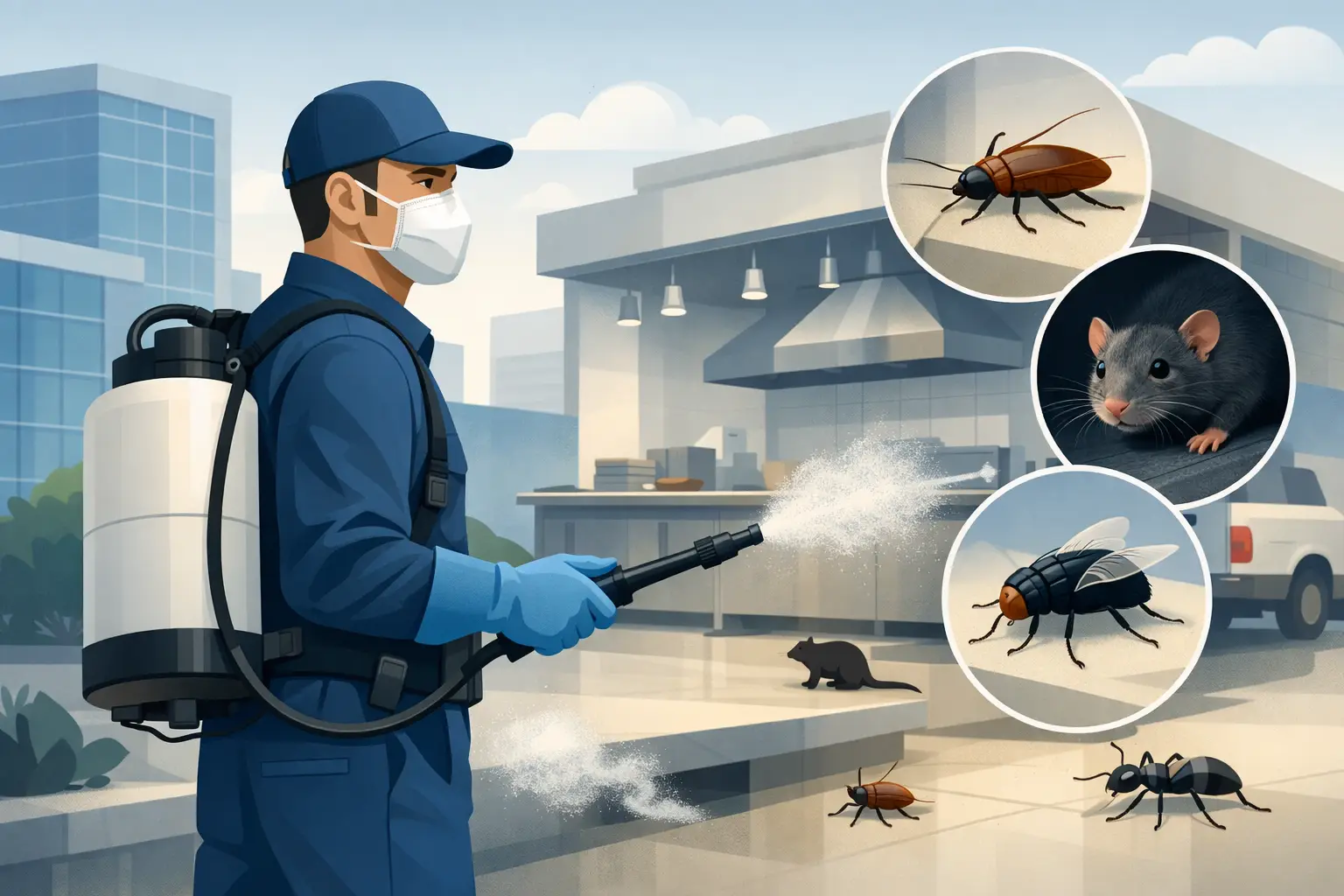
A single mouse sighting in a restaurant kitchen, a trail of ants in an office break room, or one cockroach reported by a tenant can turn into a much bigger business problem fast. If you are asking what is commercial pest control, the short answer is this: it is a professional pest management service designed specifically for businesses, commercial properties, and multi-unit buildings where health, safety, reputation, and compliance are on the line.
Commercial pest control is not just residential pest control done in a bigger building. It is a more structured, prevention-focused service that accounts for public traffic, food handling, employee safety, tenant concerns, industry regulations, and the need to keep operations running with as little disruption as possible. For many businesses, that difference matters a lot.
What Is Commercial Pest Control and Who Needs It?
Commercial pest control is the inspection, treatment, monitoring, and prevention of pest activity in business environments. That can include restaurants, warehouses, offices, apartment buildings, retail stores, healthcare facilities, schools, hotels, and industrial sites.
The goal is not simply to remove visible pests. A reliable commercial program aims to identify why pests are there, stop the current activity, and reduce the chances of reinfestation through targeted treatment and prevention.
Any business can need this service, but some properties are especially vulnerable. Food-service businesses deal with crumbs, grease, moisture, and deliveries. Warehouses and shipping areas create easy access points for rodents. Offices may seem low risk, but shared kitchens, storage rooms, and building gaps can still attract pests. Multi-unit properties face another challenge – pests can move between units, which makes isolated treatment less effective.
How Commercial Pest Control Differs From Residential Service
The biggest difference is the level of planning behind it. In a home, the treatment may focus on one family, one structure, and one immediate pest issue. In a commercial property, there may be dozens of employees, customers, vendors, tenants, or residents moving through the space every day.
That changes how pest control is handled. Treatments often need to be scheduled around business hours. Documentation may be necessary for audits or inspections. Sensitive areas like kitchens, patient spaces, childcare environments, or customer-facing areas may require stricter product selection and application methods. In many cases, long-term monitoring is just as important as the initial extermination.
There is also more at stake. A homeowner may be worried about discomfort and property damage. A business owner may also be facing failed inspections, damaged inventory, online complaints, lost revenue, and liability concerns.
Common Pests in Commercial Properties
The pests themselves vary by industry, building condition, and season. Still, a few show up again and again in commercial settings.
Rodents are one of the biggest concerns because they contaminate surfaces, damage wiring, and spread quickly if food and shelter are easy to access. Mice are especially common in offices, restaurants, warehouses, and retail units.
Cockroaches are another major issue, particularly in food-related environments, apartment buildings, and older structures with hidden moisture. They are hard to control without a professional plan because they hide well, reproduce fast, and can spread through wall voids and shared utility lines.
Ants, flies, bed bugs, stored-product pests, wasps, and occasional invaders like spiders can also create serious problems depending on the property type. In some buildings, nuisance wildlife such as raccoons or squirrels may affect roofing, garbage areas, or entry points around the exterior.
What a Commercial Pest Control Service Usually Includes
A proper commercial pest control program usually starts with a detailed inspection. This is where a licensed technician looks for active pest signs, entry points, nesting areas, moisture issues, sanitation problems, and structural conditions that make infestations more likely.
From there, the service plan is customized to the property. That may include targeted treatments, baiting systems, trapping, exclusion work, sanitation recommendations, and ongoing monitoring. For some businesses, one visit may solve the problem. For others, especially high-risk facilities, regular service is the smarter approach.
Prevention is a big part of the job. Sealing gaps, improving waste handling, correcting moisture issues, and changing storage practices can make a major difference. If those root causes are ignored, even a strong treatment may only provide short-term relief.
Documentation can also be part of the service. Commercial clients often need service records, inspection notes, and treatment details for internal maintenance tracking or regulatory review.
Why Prevention Matters More in Commercial Settings
In business environments, waiting until pests are obvious is usually the expensive route. By the time staff members are seeing rodents during the day or customers are spotting cockroaches, the infestation may already be well established.
Prevention helps businesses stay ahead of that. Routine inspections catch small signs early. Monitoring devices reveal activity in hidden areas. Ongoing service allows technicians to spot trends before they turn into shutdowns, complaints, or product loss.
This is especially valuable in industries where appearance and cleanliness directly affect customer trust. A single pest issue can hurt a brand long after the infestation is gone.
That said, not every business needs the same frequency of service. A busy restaurant may need a tighter schedule than a small professional office. A warehouse with frequent shipments may need different rodent controls than a medical clinic. Good commercial pest control is never one-size-fits-all.
Safety, Compliance, and Reputation
One reason businesses invest in professional service is that pest problems are rarely just a nuisance. They can become health and safety issues quickly.
Rodents and cockroaches can contaminate food prep areas and storage spaces. Stinging pests near entrances create risks for staff and customers. Bed bugs in hospitality or housing settings can trigger complaints, refunds, and reputation damage. Wildlife in or around a commercial building can lead to structural damage and sanitation concerns.
Then there is compliance. Depending on the industry, businesses may need to meet health code standards, food safety requirements, or property maintenance obligations. A licensed pest control provider understands how to work within those expectations while using safe, professional methods.
Eco-friendly treatment options are often part of that conversation. Many businesses want solutions that are effective without creating unnecessary risk for employees, customers, children, pets, or sensitive environments. The right approach balances strong control with practical safety measures.
When to Call for Commercial Pest Control
Some signs are obvious, like droppings, gnaw marks, insect sightings, damaged packaging, or nests around the property. Others are easier to miss. Strange odors, grease marks along walls, scratching sounds, unexplained product damage, and recurring pest sightings in the same area can all point to a larger issue.
You should also act quickly if your staff is reporting pest concerns, tenants are complaining, or your business is preparing for an inspection. Early action usually means simpler treatment, lower cost, and less disruption.
In high-traffic business environments, delay tends to work in the pest’s favor. What starts in one storage room or utility area can spread into customer-facing spaces, neighboring units, or food-handling zones before long.
Choosing the Right Commercial Pest Control Provider
Experience matters, but so does responsiveness. Businesses often need fast service, clear communication, and treatment plans that fit around operating hours. A provider should be licensed, knowledgeable about local pest pressures, and able to explain both the problem and the solution in plain language.
It also helps to work with a company that looks beyond spraying. Effective commercial pest control should include inspection, identification, elimination, and prevention. If no one is talking about entry points, sanitation, moisture, or follow-up, the service may not be built for long-term control.
For businesses in areas like Toronto, Etobicoke, and Scarborough, seasonal changes, dense building layouts, and high property activity can all affect pest pressure. That is why local experience has real value. A company such as Quality Pest Control GTA understands that commercial clients need safe treatments, reliable scheduling, and practical solutions that protect both the building and the business inside it.
Commercial pest control is really about risk management as much as extermination. It protects inventory, employee working conditions, customer confidence, and the daily operation of your business. If pests have shown up once, or if you want to avoid that problem entirely, the right time to address it is before it starts affecting your reputation.

