
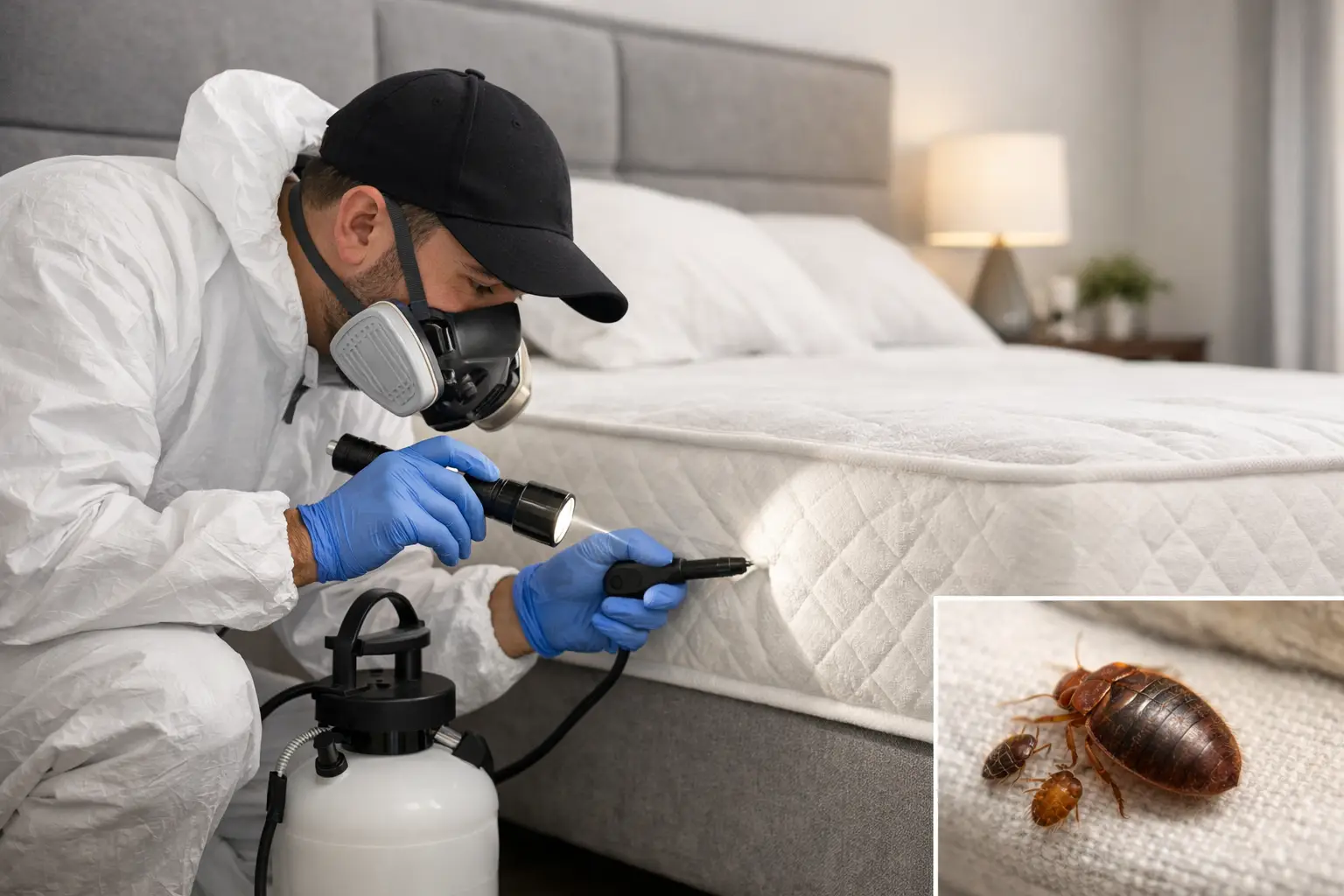
A bed bug problem can start with one unexplained bite and quickly turn into sleepless nights, discarded furniture, and anxiety about every dark spot on the mattress. This Oshawa bed bug remediation example shows what a professional response can look like when the goal is not just to kill visible bugs, but to stop the infestation from rebuilding.
Bed bugs are excellent at hiding in mattress seams, bed frames, upholstered furniture, baseboards, picture frames, and small cracks near where people sleep. A few bugs can become a larger infestation before a homeowner or tenant sees one. Fast, organized treatment matters because missed areas, rushed preparation, and skipped follow-up appointments are common reasons bed bugs return.
The Oshawa Bed Bug Remediation Example
Consider a typical household situation: a family notices itchy bites appearing in rows or clusters after sleeping. At first, they suspect mosquitoes, skin irritation, or an allergy. Within two weeks, they spot small reddish-brown insects near the mattress piping and find black specks along the headboard.
The family has already tried a store-bought spray and washed some bedding. That may kill a few exposed insects, but it does not reach the eggs and hidden bed bugs deep inside cracks, furniture joints, and nearby rooms. At this stage, professional bed bug extermination is the practical next step.
A licensed technician begins with a detailed inspection. The inspection is not limited to the mattress. It includes the box spring, bed frame, bedside tables, sofas, curtains, baseboards, closets, laundry areas, and adjoining rooms where activity may have spread. In apartments, condos, and multi-unit properties, neighboring units may also need attention because bed bugs can move through wall voids, hallways, utility openings, and shared laundry areas.
In this example, the technician confirms live bed bugs, shed skins, fecal spotting, and eggs in the primary bedroom. Light activity is also found in a living room recliner where a family member often naps. That finding changes the treatment plan. Treating only the bed would leave an active source in the living area.
Preparation Makes Treatment More Effective
Professional treatment works best when the home is prepared carefully. Preparation is not about emptying the entire house or throwing away every item. In fact, moving untreated belongings from room to room can spread bed bugs further.
The household is instructed to bag and transport washable bedding, clothing, and fabrics directly to the laundry area. Items are dried using high heat according to fabric-care instructions, then sealed in clean bags or bins until treatment and follow-up are complete. Clean items should not be returned to untreated drawers, closets, or furniture too soon.
Clutter around beds, sofas, and walls is reduced so the technician can access hiding places. Beds are pulled slightly away from walls, and nothing is allowed to hang from the bed onto the floor. Vacuuming can help remove exposed insects and debris, but the vacuum contents must be sealed and discarded outside immediately afterward.
Preparation requirements vary by the treatment method, the level of infestation, and the layout of the property. A reliable pest control company should give clear, property-specific instructions before service. That protects children, pets, residents, and the effectiveness of the treatment.
Targeted Treatment Instead of a Quick Spray
For this Oshawa bed bug remediation example, the treatment plan combines targeted residual application with crack-and-crevice treatment in confirmed activity areas. The technician treats bed frames, furniture joints, baseboards, room edges, and other protected hiding spots where bed bugs travel or rest.
Professional products are selected and applied according to label directions by trained, licensed technicians. This approach is more controlled than applying general insecticide across sleeping surfaces or relying on foggers. Bug bombs are especially risky in bed bug situations because they can scatter insects deeper into walls and furniture without eliminating the infestation.
Depending on the property, treatment may also include steam for suitable surfaces, mattress and box-spring encasements, monitoring devices, and recommendations for interceptors under bed legs. Heat treatment can be an effective option in some cases, particularly when a whole-room approach is appropriate and the property can be prepared correctly. However, it is not automatically the best choice for every home. The right method depends on the infestation level, building conditions, access, budget, and whether adjoining units may be involved.
The family is told not to sleep in another room unless specifically advised. Continuing to sleep in the treated bedroom helps keep bed bugs close to monitored and treated areas rather than encouraging them to spread into additional rooms.
Why Follow-Up Visits Matter
Bed bug eggs can survive an initial treatment and hatch later. That is why a one-visit promise should be approached carefully unless the treatment method and inspection findings clearly support it. Effective remediation often includes a scheduled follow-up inspection and, when necessary, additional targeted treatment.
About two weeks after the first service, the technician returns to inspect the primary bedroom and recliner. The family reports fewer bites, but monitoring devices reveal a small amount of remaining activity near the bed frame. The technician performs a focused follow-up treatment in those areas and checks for new signs elsewhere.
At the next review, there are no fresh stains, live bugs, shed skins, or interceptor catches. The household can gradually return cleaned items to their proper places while keeping clutter low and continuing routine checks. This is the outcome homeowners and property managers should want: verified control supported by inspection, not a guess based only on whether bites have stopped.
Signs You May Need Bed Bug Treatment
Bites alone do not prove bed bugs are present. Different pests and skin conditions can cause similar reactions, and some people have no visible bite response at all. A professional inspection is especially useful when several signs appear together.
Look for small dark spots on sheets, mattresses, furniture, or walls; pale shed skins; tiny white eggs in protected seams; blood marks on bedding; or live flat, apple-seed-sized insects. A sweet, musty odor can occur in heavier infestations, although it is not always noticeable in early-stage cases.
If you find a suspected bed bug, capture it in a sealed container or clear tape if possible. Avoid crushing it before it can be identified. Quick identification helps prevent wasted money on the wrong treatment.
Prevention After Bed Bug Remediation
No prevention plan can guarantee that bed bugs will never be brought into a property again. They are commonly carried in luggage, used furniture, clothing, bags, and belongings from places with active infestations. Still, a few consistent habits can lower the risk and help catch a problem early.
Inspect hotel beds and upholstered furniture when traveling, and keep luggage on a rack away from beds and walls. After returning home, dry travel clothing on high heat when appropriate for the fabric and inspect suitcases before storing them. Be careful with secondhand mattresses, bed frames, sofas, and upholstered chairs. A low price is not a bargain if the item introduces bed bugs into the home.
In rental properties, residents should report signs promptly instead of trying to hide the issue. Early reporting gives property managers time to arrange inspection, document activity, and protect nearby units. For businesses, especially lodging, healthcare, transportation, and multi-residential settings, staff training and quick response procedures are just as valuable as treatment itself.
Frequently Asked Questions
Can I get rid of bed bugs by washing my sheets?
Washing and high-heat drying bedding can kill bed bugs on those specific items, but it will not eliminate bugs hiding in furniture, cracks, baseboards, or nearby rooms. Laundry is one part of a complete remediation plan.
Should I throw out my mattress after finding bed bugs?
Usually, no. A mattress can often be treated and protected with a properly installed bed bug encasement. Disposal may be considered if an item is badly damaged, heavily infested, or cannot be treated effectively. Never discard infested furniture without clearly marking and wrapping it, since someone may bring it back indoors.
Are professional bed bug treatments safe for children and pets?
When performed by licensed technicians following label directions and preparation instructions, professional treatments are designed to manage risk responsibly. Residents may need to leave treated areas for a specified time, and pets, toys, food items, and pet bowls should be handled as directed before service.
How long does bed bug remediation take?
It depends on the size of the infestation, the number of affected rooms, the property type, preparation quality, and the treatment strategy. Many cases require an initial service plus follow-up visits. Acting early is the best way to limit the time, cost, and disruption.
If bites, spotting, or live insects are disrupting your home, do not wait for the problem to spread. A prompt professional inspection gives you a clear answer and a practical plan to restore a clean, comfortable place to sleep.

